History
Curriculum Leaders: Tatiana Hardyman and Laura Gilchrist
Mrs Hardyman and Mrs Gilchrist are our history leaders and are responsible for this curriculum area. This means ensuring we teach an ambitious curriculum, supporting our teachers in implementing our curriculum through high-quality lessons and checking that lessons help our children know more, remember more, and do more.
Purpose of study
A high-quality history education will help pupils gain a coherent knowledge and understanding of Britain’s past and that of the wider world. It should inspire pupils’ curiosity to know more about the past. Teaching should equip pupils to ask perceptive questions, think critically, weigh evidence, sift arguments, and develop perspective and judgement. History helps pupils to understand the complexity of people’s lives, the process of change, the diversity of societies and relationships between different groups, as well as their own identity and the challenges of their time.
Aims
The national curriculum for history aims to ensure that all pupils:
- know and understand the history of these islands as a coherent, chronological narrative, from the earliest times to the present day: how people’s lives have shaped this nation and how Britain has influenced and been influenced by the wider world
- know and understand significant aspects of the history of the wider world: the nature of ancient civilisations; the expansion and dissolution of empires; characteristic features of past non-European societies; achievements and follies of mankind
- gain and deploy a historically grounded understanding of abstract terms such as ‘empire’, ‘civilisation’, ‘parliament’ and ‘peasantry’
- understand historical concepts such as continuity and change, cause and consequence, similarity, difference and significance, and use them to make connections, draw contrasts, analyse trends, frame historically-valid questions and create their own structured accounts, including written narratives and analyses
- understand the methods of historical enquiry, including how evidence is used rigorously to make historical claims, and discern how and why contrasting arguments and interpretations of the past have been constructed
- gain historical perspective by placing their growing knowledge into different contexts, understanding the connections between local, regional, national and international history; between cultural, economic, military, political, religious and social history; and between short- and long-term timescales.
Intent
We are setting out to help our pupils be ...
- Understanding. To understand the impact History has on their lives today.
- Critical. Children enjoy opportunities to ask questions, think critically and develop perspective.
- Empowered. Children are empowered to develop their curiosity and resilience, through practical learning experiences.
- Creative. Learn to use their growing knowledge to develop and gain an Historical perspective and apply this in different contexts.
Implementation
We will do this by ensuring ...
- Children are taught a broad curriculum that includes enrichment opportunities.
- Children are taught to form their own opinions through Historical enquiries.
- A range of resources are used to support children experience History and make connections.
- Skills are taught progressively across all year groups.
- A range of resources are used to help children analyse and make connections to the History they learn.
Impact
We will have made a difference when ...
- As Historians, children learn lessons from History that influence the decisions they make in their lives in the future.
- Children will be engaged in their lessons and want to learn more.
- Children demonstrate a respect for evidence and explain how it can be used to unlock the past.
- Children will be able to share their thoughts and opinions demonstrating their value and engagement with the curriculum.
Our children will be taught to...
Year R
-
In Year R, children are encouraged to explore and understand their immediate environment. They are taught to describe their surroundings using knowledge gained from observation, discussion, stories, non-fiction texts, and maps.
-
Through these experiences, children develop an understanding of their local community and the world around them. They learn about the similarities and differences between life in their country and other countries, drawing on knowledge from stories, non-fiction texts, and maps.
-
Children also learn about the natural world and the changes that occur throughout the year, including the seasons. They are taught to identify and describe some of the similarities and differences between the natural world around them and contrasting environments, drawing on their experiences and what they have learned in class.
-
Through this learning, children develop an appreciation of the natural world and its importance. They also develop their language and communication skills, as well as their understanding of geography and science.
Year 1
Throughout Year 1, children will develop an understanding of the past by learning about significant people, important historical events and changes within living memory and beyond. They will begin by learning about Helen Keller, exploring how she learnt to communicate and how people such as Alexander Graham Bell and Louis Braille contributed to her life and achievements. Children will consider how Helen Keller campaigned for others' rights and the lasting impact she had on the world. They will then study the Great Fire of London, learning what London was like in the 1600s, sequencing the key events on a timeline and using historical sources, including Samuel Pepys’ diary, to find out why the fire spread and how it changed the city. Later in the year, children will investigate schools in the past, beginning with the history of their own school before comparing modern schooling with education in Victorian times. They will examine artefacts, learn about Samuel Wilderspin and explore what classroom life was like for Victorian children. Across the year, children will develop important historical skills, including sequencing events, using sources and artefacts, comparing the past and present, and considering how people and events have influenced life today.
Year 2
In Year 2, children will build on the historical knowledge and enquiry skills developed in Year 1, using a wider range of sources to investigate significant people, events and societies from the past. In Flight through Time, children develop their understanding of how individuals can influence change, building on their Year 1 studies of Helen Keller, Alexander Graham Bell and Louis Braille. They will learn about important developments in aviation, from the Wright brothers’ first flight to Frank Whittle’s jet engine, and explore how pioneering aviators such as Bessie Coleman and Amy Johnson overcame barriers and changed opportunities for others. In Titanic Tragedy, children build on the chronological and source-handling skills developed through The Great Fire of London, using historical accounts and evidence to investigate the events surrounding the Titanic’s construction, voyage and sinking, as well as the lessons learnt afterwards. Later in the year, Age of the Aztecs broadens children’s understanding of history beyond Britain as they explore the Aztec civilisation, including the city of Tenochtitlán, everyday life, religious beliefs and the impact of the arrival of Cortés. Across the year, children will become increasingly confident in sequencing events, using and comparing historical sources, identifying causes and consequences, and explaining how people and events have shaped the world.
Year 3
In Year 3, children begin the autumn term by studying the chronology of British history in the project Through the Ages. This project teaches children about the significance of prehistoric periods and the changes in Britain from the Stone Age to the Iron Age. In the summer term, children continue to develop their knowledge of the chronology of British history in the project Emperors and Empires. This project teaches children about the Roman Empire, its invasion of Britain and Britain’s ensuing Romanisation.
Year 4
In the autumn term of Year 4, children resume their learning about British history in the project Invasion. This project teaches children about the Roman withdrawal and the invasion and settlement of the Anglo-Saxons and Vikings. This project concludes at 1066, which meets the guidance from the national curriculum for British history. In the summer term of Year 4, children begin their studies of ancient history by studying the overview project Ancient Civilisations. This project enables children to learn about the achievements of the earliest civilisations, including ancient Sumer, the Indus Valley civilisation and ancient Egypt.
Year 5
In the autumn term of Year 5, children continue to build their knowledge of ancient civilisations with an in-depth analysis of ancient China in the project Dynamic Dynasties. This project enables children to study the significance and influence of ancient China and its prowess and advancements in the written word, technology and metalwork. In the summer term, children further study ancient and world history in the project Groundbreaking Greeks. This project enables children to explore life in ancient Greece, including examining the achievements and influence of ancient Greece on the western world.
Year 6
In the autumn term of Year 6, children study the more complex historical issues of enslavement, colonialism and power in the project Maafa. In this project, children explore a range of African kingdoms, including the Kingdom of Benin, and study Britain’s role in the development, perpetuation and abolition of the slave trade. In the summer term of Year 6, children complete their historical studies with the project Britain at War. This project enables children to study the role war has played in Britain’s history since 1066, focusing on the First and Second World Wars as crucial turning points in British history.
Units of Work
Year 1
Year 1 - Autumn 2Helen Keller: A Life Without Limits During this project, children will learn the story of Helen Keller and explore how she learned to communicate. They will also learn about the story of her good friend, Alexander Graham Bell, whose inventions and ideas helped Helen communicate, before understanding how Helen became an important campaigner for people's rights. They will then learn more about Louis Braille, the inventor of the reading and writing system that was so important to Helen, before using Braille to make their classroom more accessible for visually impaired people. The children will finally learn about Helen's influence on the world and how other people have been inspired by her life. |
|
Year 1 - Spring 2The Great Fire of London In this project, children will learn what London was like in the 1600s when the Great Fire of London began. Children will then use a timeline to sequence the main events. They will also learn why the fire spread so quickly and look at historical sources to find out how Londoners fought the fire. In addition, children will learn about Samuel Pepys and listen to extracts from his diary. Finally, they will learn how the Great Fire changed London forever. |
|
Year 1 - Summer 2Schools Then, Schools Now Children will learn about the history of their own school, before finding out what schools were like in Victorian times. They will study artefacts from Victorian schools to find out what they were used for and what they can tell us about the past. Children will 'meet' Samuel Wilderspin, the creator of infant school education, and experience what it was like to learn in a Victorian classroom. At the end of the project, they will compare Victorian schools with schools today. |
Year 2
Year 2 - Autumn 2Flight through Time During this project, children will learn about the history of flight and how human invention and brave aviators have changed aviation and everyday life. Using a range of sources, they will learn key facts about the history of flight, from the Wright brothers' first flight to Frank Whittle's invention of the jet engine. They will also learn how brave aviators, such as Bessie Coleman and Amy Johnson, blazed a trail for others and broke barriers of race and gender before considering how flight impacts people's everyday lives. |
|
Year 2 - Spring 2Titanic Tragedy During this project, children will learn the story of the Titanic, from its ambitious construction to its tragic sinking on 15th April 1912. Through historical accounts and other sources of evidence, children will uncover the human stories and lessons learned from one of history’s most infamous maritime disasters. |
|
Year 2 SummerAge of the Aztecs During this project, children will learn how the Aztec civilisation developed in Mexico 500 years ago. They will explore the city of Tenochtitlán through an eyewitness account and map, and learn about aspects of everyday life. They will also find out about the importance of religious beliefs – and chocolate – in Aztec culture. At the end of the project, the children will learn how the arrival of the Spanish explorer and conqueror, Cortés, quickly brought the Aztec civilisation to an end. |
Year 3 - We are currently updating these units over the year 2026/27
Year 3 - Autumn 1From Stone to Iron During this project, children will work as historians to explore how people lived during the Stone, Bronze and Iron Ages, discovering how life evolved over thousands of years. They’ll investigate daily life – from hunting and gathering to farming and metalworking – and examine artefacts, including Iron Age hoards, to uncover stories about their makers. They’ll also meet figures like the Amesbury Archer and consider what his burial reveals about prehistoric beliefs and skills. |
|
Year 3 - Spring 2Building Britain the Roman Way |
|
Year 3 - Summer 1Local History Study |
Year 4 - We are currently updating these units over the year 2026/27
Year 4 - Autumn 2Invaders and Settlers: The Anglo-Saxons During this project, children will explore who the Anglo-Saxons were, why they came to Britain and what happened after the Romans left. They will use stories and historical sources to investigate everyday life, learn about the spread of Christianity and discover the story behind Sutton Hoo. At the end of the project, they will consider the Anglo-Saxons’ lasting influence on Britain. |
|
Year 4 - Spring 1The Viking Age: Fear from the Sea |
|
Year 4 - Summer 2Cradles of Civilisation |
Year 5
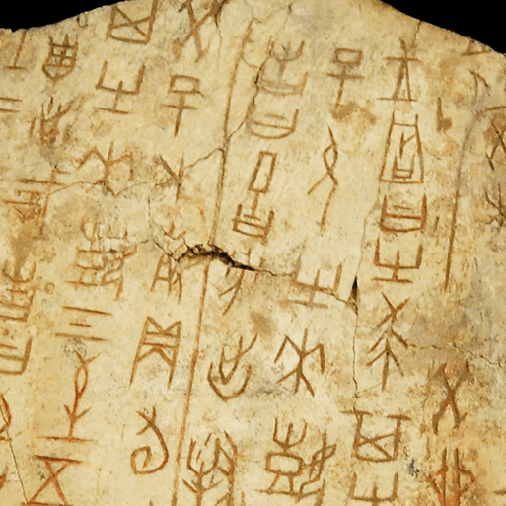 |
Year 5 AutumnDynamic Dynasties This project teaches children about the history of ancient China, focusing primarily on the Shang Dynasty, and explores the lasting legacy of the first five Chinese dynasties, some of which can still be seen in the world today.Y |
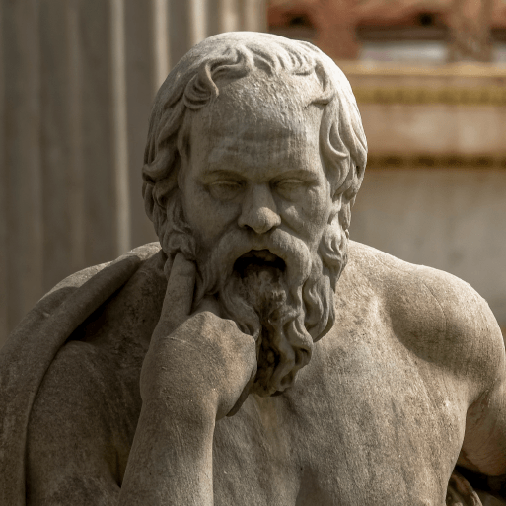 |
Year 5 SummerGroundbreaking Greeks This project teaches children about developments and changes over six periods of ancient Greek history, focusing on the city-state of Athens in the Classical age, and exploring the lasting legacy of ancient Greece. |
Year 6
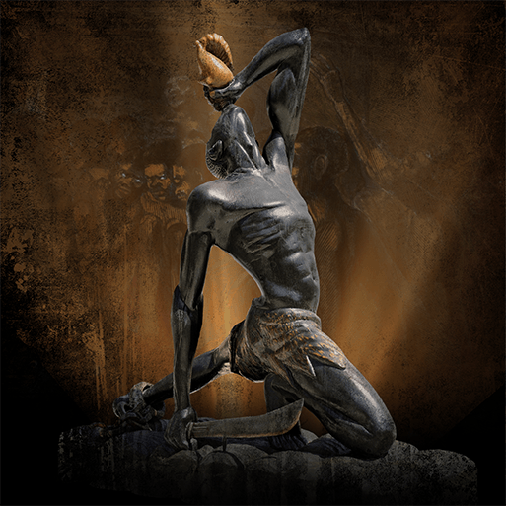 |
Year 6 AutumnMaafa This project teaches children about Africa past and present, with a particular focus on Benin. It traces the development of the slave trade and explores Britain’s role in the transatlantic slave trade, the causes and consequences of the European colonisation of Africa and the worldwide communities that make up the African diaspora. |
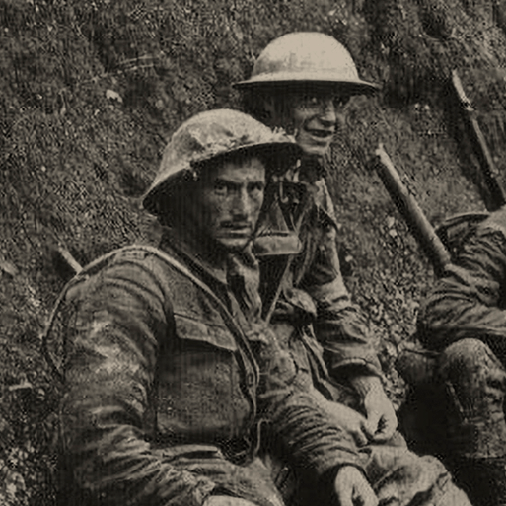 |
Year 6 SummerBritain At War This project teaches children about the causes, events and consequences of the First and Second World Wars, the influence of new inventions on warfare, how life in Great Britain was affected and the legacy of the wars in the post-war period. |