Year 5 2025-2026
Welcome to Year 5!
2025-26
In Year 5, our teachers are Mrs Gilchrist (Class 7), Miss Brown (Class 8), and Mrs Tamsett-Tate and Mrs Oswald (Class 9). We are also supported by our dedicated Learning Support Assistant (LSAs): Mrs Bridgeman.
If you have any questions, please get in touch with your child's teacher. If they are not around at pick-up, you can speak to them by phoning the school office and requesting an appointment.
Keep referring back to this page for regular updates about the children's learning.
Curriculum Newsletters
Year 5 Summer 2 - Curriculum Newsletter
Year 5 Summer 1 - Curriculum Newsletter
Year 5 Spring 2 - Curriculum Newsletter
Year 5 Spring 1 -Curriculum Newsletter
Year 5 Autumn 2 - Curriculum Newsletter
Year 5 Autumn 1 - Curriculum Newsletter
Update - Friday 17th July 2026
Art
This week in Art, Year 5 have been exploring portraiture and how artists can use facial expressions to communicate emotions. The children worked with a partner to take a series of photographs, capturing a range of different expressions such as happiness, surprise, excitement, worry and determination. They carefully observed how different emotions change the features of the face, including the eyes, eyebrows, mouth and overall expression.
Using these photographs as inspiration, the children created their own expressive portraits. They experimented with a variety of artistic techniques and media to bring their work to life, developing their skills in drawing, colouring and adding detail. They thought carefully about how different materials could create different effects and explored ways to make their portraits both realistic and expressive.
Throughout the project, the children demonstrated excellent observational skills as they studied facial features and proportions. They took their time to add detail and discussed how colour, shading and line can help to show mood and personality within a piece of artwork. It was wonderful to see the confidence the children showed as they experimented with different artistic approaches and made creative choices about how to present their work.
Design & Technology
In Design and Technology this week, Year 5 became architects as they explored how buildings around the world are designed to be both beautiful and structurally stable. The children investigated a variety of famous architectural styles, considering how different cultures and civilisations have influenced the buildings we see today.
As part of their learning, they focused on the importance of columns, symmetry and geometric shapes in creating strong and stable structures. They discovered that these design features are not only visually appealing but also play a vital role in supporting the weight of buildings and helping them withstand the forces acting upon them.
The children examined examples of architecture from different periods in history, discussing why certain shapes, such as triangles and arches, provide additional strength. They also explored how symmetry creates balance within a design and contributes to both appearance and stability. It was fantastic to hear the thoughtful discussions taking place as the children analysed why particular structures have remained standing for hundreds, and sometimes thousands, of years.
History
Year 5 have thoroughly enjoyed completing their Ancient Greece topic with a range of exciting and interactive activities that brought history to life. Throughout the week, the children explored some of the lasting achievements of Ancient Greek civilisation and considered how many of these ideas continue to influence our lives today.
The children began by investigating Ancient Greek mathematics, discovering how Greek mathematicians helped shape mathematical thinking. They completed a range of practical maths activities inspired by Ancient Greek methods, challenging themselves to solve problems and think logically, just as mathematicians did thousands of years ago.
They also learnt about the origins of the Olympic Games and why they were such an important event in Ancient Greek society. After exploring the different sporting events that took place, the children designed their own Olympic sport using only equipment and materials that would have been available during Ancient Greek times. They then adapted their ideas into modern-day versions, comparing and contrasting how the sports had changed over time and discussing why these developments may have occurred.
Finally, the children learnt about Alexander the Great and the remarkable impact he had on the ancient world. To deepen their understanding, they took part in a conquest decision-making game where they became Alexander himself. Faced with challenging scenarios, such as deciding whether to take a safe but lengthy route through the desert or risk a dangerous shortcut, the children worked collaboratively to debate their options. They carefully considered the consequences of each decision, thinking about military success, the safety of their soldiers and maintaining morale within their army.
The activity highlighted the difficult choices leaders must make and encouraged thoughtful discussion, teamwork and critical thinking. The children quickly realised that achieving victory while keeping everyone motivated and safe was far from straightforward!
Update - Friday 10th July 2026
Year 5 Visit to The Vyne
This week, our Year 5 children enjoyed an exciting taster day at The Vyne School, giving them a glimpse into what life in secondary school might be like.
Throughout the morning, the children took part in a range of lessons, including Maths, English and PE. They experienced moving between different learning environments, meeting new teachers and taking part in lessons that encouraged them to think carefully, work collaboratively and challenge themselves. It was a fantastic opportunity for the children to see how learning develops as they move into secondary education, helping to build their confidence for the future.
One of the highlights of the day was lunchtime in the school canteen. The pizza proved to be a firm favourite and received some glowing reviews from our budding food critics! It was lovely for the children to experience another important part of secondary school life and enjoy eating together in a new setting.
We were incredibly proud of every single child throughout the visit. Staff at The Vyne were full of praise for the exemplary behaviour, positive attitudes and enthusiasm shown by our pupils. They were particularly impressed by the children's confidence during discussions and their ability to build thoughtfully on one another's ideas through oracy, demonstrating the respectful listening and collaborative skills they have developed at Oakridge.
The children represented our school brilliantly, showing kindness, resilience and a willingness to embrace new experiences. They returned to school full of excitement, sharing stories about the activities they had taken part in and talking positively about what secondary school might be like.
A huge well done to all of Year 5 for being such fantastic ambassadors for Oakridge. You made us all incredibly proud, and we hope this experience has helped make the exciting journey to secondary school feel just a little bit more familiar.
Maths
This half term, our Year 5 mathematicians successfully completed their White Rose Maths unit on decimals. Throughout the unit, the children developed a secure understanding of place value, learning how the value of each digit changes depending on its position. They explored tenths, hundredths and thousandths, comparing and ordering decimal numbers with increasing confidence.
As their understanding grew, the children applied their knowledge to add and subtract decimals accurately, using a range of written and mental strategies to solve increasingly challenging problems. They demonstrated excellent resilience when tackling reasoning and problem-solving questions, explaining their methods clearly and justifying their answers using mathematical vocabulary.
This proved to be a particularly successful unit, with the children showing fantastic progress and confidence in their understanding of decimals. It was wonderful to see them applying their place value knowledge to solve real-life problems and recognise the importance of decimals in everyday situations, such as money and measurement.
English
This half term, our Year 5 authors completed their final writing outcome by producing a formal letter to a headteacher from the perspective of a remarkable child they had created themselves. Throughout the unit, the children worked incredibly hard to develop their formal writing style, carefully selecting ambitious vocabulary and crafting a range of sentence structures to engage their reader. They confidently used complex sentences, varied their sentence openings and worked on linking paragraphs effectively to create cohesion across their writing.
The finished letters were of an exceptionally high standard, showcasing not only the children's creativity but also the significant progress they have made in writing this year. It was wonderful to see them applying the grammar, punctuation and language features they have been developing throughout the unit with such confidence.
Following this, the children turned their attention to preparing for the exciting move to Year 6. They designed their own personal profile pages, sharing information about their personalities, strengths, interests, hobbies, achievements, challenges and aspirations. These profiles accompanied them to their transition afternoon, where they also wrote thoughtful letters to their new teachers. In these letters, they introduced themselves, reflected on what helps them to learn, shared any worries they might have and set personal goals for the year ahead.
We were incredibly impressed by the maturity, honesty and care shown in these pieces of writing. They provided a wonderful opportunity for the children to celebrate who they are while helping their new teachers get to know them before September.
Update - Friday 3rd July 2026
Assessments:
This week, Year 5 have been working incredibly hard as they complete their end-of-year assessments, which help to support the teacher assessments carried out in school. These assessments are an important opportunity for the children to showcase all of the knowledge and skills they have developed throughout the year.
We have been so impressed with the positive attitude they have shown during this busy period. They have approached each task with focus, resilience, and determination, always trying their very best and demonstrating just how much they have grown in confidence and independence.
It has been wonderful to see the progress they have made across all areas of learning, and we are extremely proud of their efforts and achievements. Their hard work and commitment this year have been clear to see, and their reports, which will be coming home soon, will celebrate the fantastic journey they have been on and the progress they have made.
English:
In English, the children have been exploring formal letter writing through our class text The Remarkables. Throughout this unit, they have been developing their understanding of formal language, sentence structure, and how to express personality effectively within their writing.
This week, the children completed their Apprentice pieces by writing a formal letter to the Headteacher, taking on the role of one of the remarkable children from the story. In their letters, they wrote about themselves, describing their personalities, strengths, and what makes them unique.
These Apprentice pieces have given us a great opportunity to assess their current skills and identify the next steps in their learning. Over the coming weeks, we will continue to build on these key writing skills before moving on to create a full formal letter. At that stage, the children will have the exciting opportunity to invent and write as their own remarkable child, using their creativity and imagination.
The children will then be able to apply all the knowledge and skills from this unit when they spend an afternoon in Year 6 next week, meeting their new teachers and beginning to prepare for the transition ahead.
Update - Friday 26th June 2026
It has been another busy and productive week in Year 5, with the children showing great enthusiasm, resilience and maturity across all areas of their learning. Despite the very warm weather, the children adapted brilliantly to the changes in our timetable and approached each day with positivity and focus. We are incredibly proud of how well they managed the heat while continuing to work hard and engage fully in their lessons.
In History this week, we have been exploring the fascinating social hierarchy of Ancient Greece. The children learned about the different groups within Greek society, including citizens, women, slaves and foreigners, and discussed how each group had different rights, responsibilities and opportunities. We thought carefully about how a person’s place in society could shape their daily life and future.
To deepen their understanding, we compared and contrasted the Ancient Greek social structure with that of the Shang Dynasty, linking back to previous learning. The children were able to identify similarities, such as clear social divisions and the importance of leadership, while also recognising key differences in the roles of individuals and how power was distributed. It was fantastic to see them making connections across historical periods and using their prior knowledge confidently.
As part of this learning, the children completed a diary-writing activity where they wrote from the perspective of a person of their choice living in Ancient Greek society. Some chose to write as wealthy citizens, while others challenged themselves to write from the viewpoint of slaves, women or traders. This was a brilliant opportunity for them to demonstrate their understanding of social roles while developing empathy and historical imagination. We were very impressed by the detail, thoughtfulness and creativity in their writing.
In PSHE, the children have been continuing their learning as part of the Jigsaw programme of study, focusing this week on puberty and the changes that both boys’ and girls’ bodies go through during this stage of development. These lessons are an important part of helping children understand and prepare for the physical and emotional changes they will experience as they grow.
The children approached these discussions with maturity, respect and sensitivity, which was wonderful to see. They listened carefully, contributed thoughtfully and asked some incredibly purposeful and sensible questions. Creating an open environment where children feel comfortable to ask questions is so important, and they should be proud of how maturely they handled these sessions. These conversations help build confidence, understanding and respect for themselves and others.
In Maths, we have successfully completed our Position and Direction unit from White Rose Maths. During this unit, the children worked hard to develop their understanding of coordinates, translation, reflection and movement on grids. They showed increasing confidence when plotting points and describing positions accurately using mathematical vocabulary.
This week, we have moved on to decimal revision, revisiting key skills and ensuring that the children feel secure in their understanding. Our focus has been on adding and subtracting decimals using place value columns. The children have explored how to line up decimal points carefully and use their knowledge of place value to support accurate calculations. This has been an important opportunity to revisit and strengthen prior learning, and many children have shown great progress in their confidence with decimals already.
We encourage children to continue practising decimal calculations at home where possible, as fluency in this area will support their learning in many other mathematical concepts.
Across the curriculum, it has been lovely to see the children maintaining their high standards of behaviour and effort, even during such hot weather. The warmer temperatures can make concentrating more challenging, but the children have coped exceptionally well. We adjusted parts of our timetable to ensure they stayed comfortable, hydrated and able to learn effectively, and they responded brilliantly to these changes.
Their resilience and adaptability have really stood out this week. Whether moving between lessons, managing the heat, or tackling new and sometimes challenging concepts, the children have shown a great attitude and willingness to persevere. These qualities are just as important as academic progress and will continue to support them as they move through Year 5 and beyond.
As we approach the final part of the term, we are looking forward to continuing to build on all of the fantastic learning that has taken place this year. There is still plenty to look forward to, and we are excited to see the progress the children continue to make in the coming weeks.
Update - Friday 19th June 2026
Maths:
In Maths, we have started our Position and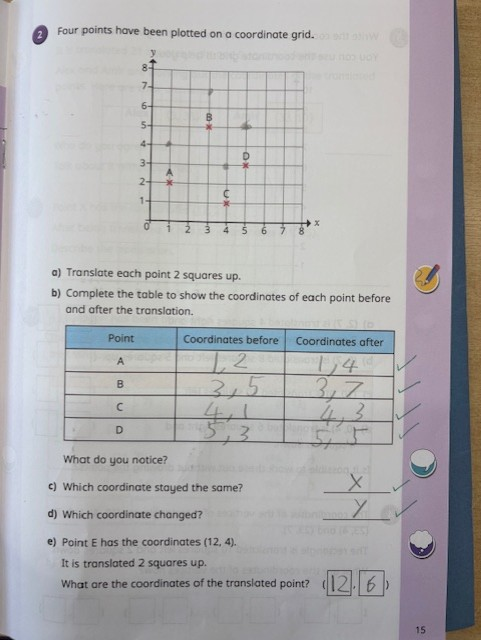 Direction unit as part of White Rose Maths. The children have been exploring co-ordinates and learning how to use them to locate and plot points accurately on a grid. They have also been drawing shapes using given co-ordinates and beginning to describe movements and positions.
Within this unit, children are developing important skills such as:
- Reading and plotting co-ordinates in the first quadrant.
- Using mathematical vocabulary to describe position, movement and direction.
- Drawing and interpreting shapes on a co-ordinate grid.
- Identifying and describing translations of shapes.
- Applying logical thinking and accuracy when following or giving directions.
These skills help to strengthen children’s spatial awareness, problem-solving and understanding of geometry.
English:
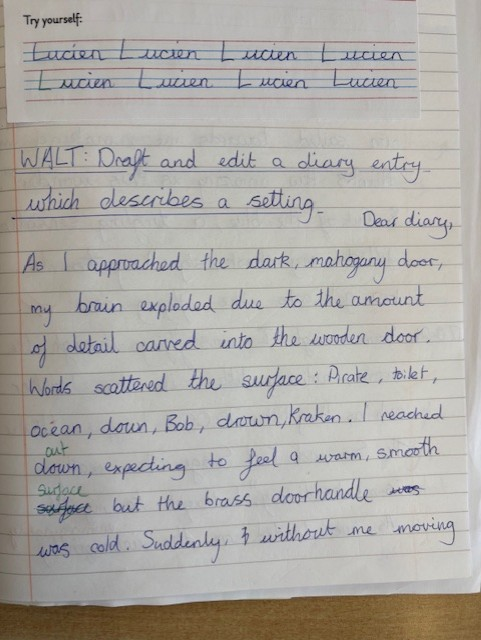
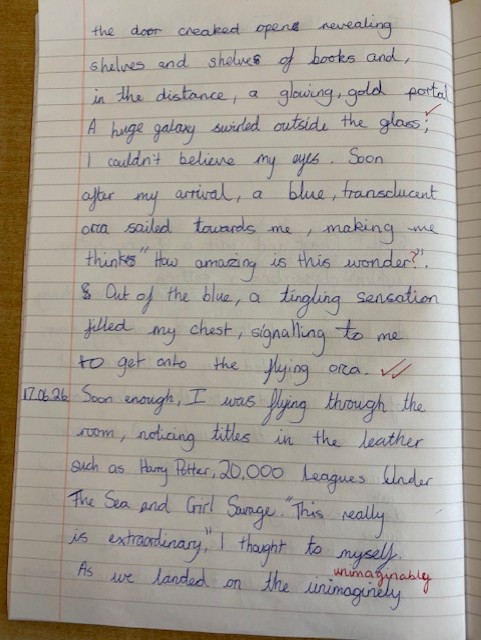
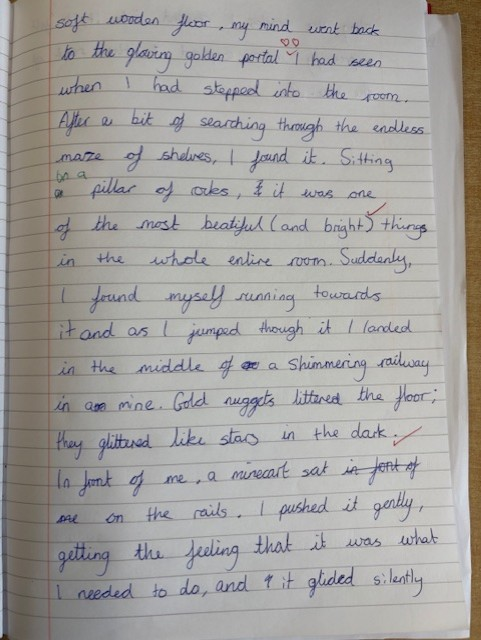
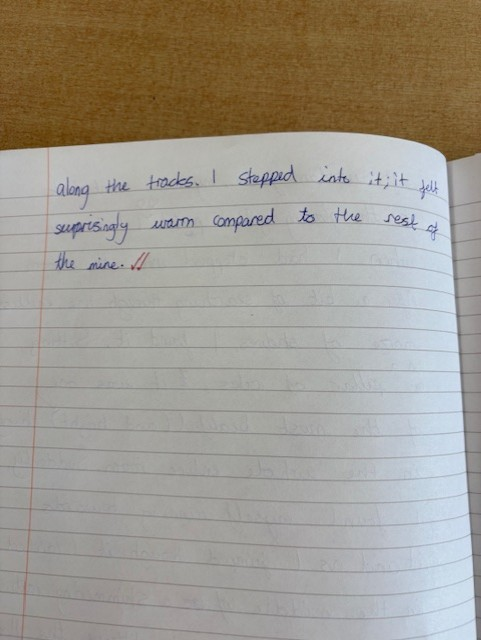
In English, the children have been using the exciting book The Nowhere Emporium to inspire their writing. As part of this unit, they have written imaginative diary entries based on a “Wonder” of their choice, stepping into the shoes of a character to capture their thoughts, feelings and experiences.
Throughout the process, the children have spent time developing ambitious vocabulary and carefully crafting descriptions to bring their wondrous scenes to life. They explored how authors create vivid imagery and used this as inspiration for their own writing, building atmosphere and detail to engage the reader. From magical forests and shimmering skies to mysterious hidden worlds, their ideas have been creative and full of imagination.
A key focus has been on using figurative language effectively, and the children have impressed us with their use of similes, metaphors and personification to make their descriptions more powerful and vivid. They have also worked hard to vary sentence structures, showing increasing confidence with complex sentences, fronted adverbials and embedded clauses to add detail and depth to their writing.
The diary entries have allowed the children to combine narrative description with personal reflection, helping them to develop both their creativity and their understanding of character voice. They have shown great enthusiasm when editing and improving their work, carefully considering word choices and how to create the strongest impact on the reader.
We have been incredibly impressed by the imagination, effort and writing stamina shown by the class. Their ability to create rich, detailed and engaging diary entries demonstrates fantastic progress in both vocabulary development and sentence composition.
Update - Friday 12th June 2026
Year 5 Science: Exploring Life Cycles
Our Year 5 pupils have been thoroughly enjoying a fascinating hands-on learning experience as part of our Science topic on life cycles and animal adaptation.
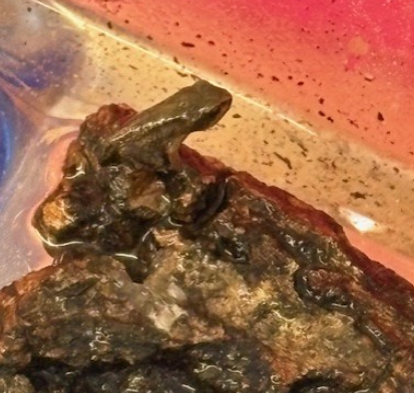
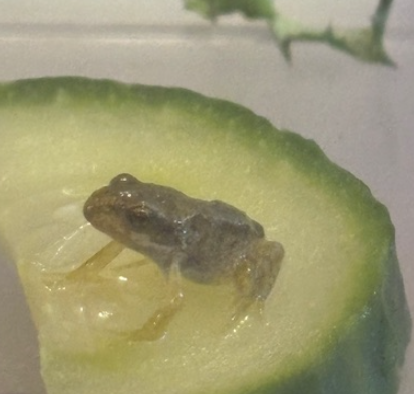
Over the past few weeks, we have been observing a group of tadpoles and learning about the process of metamorphosis. The children have been excited to watch the changes taking place day by day, and we are delighted to share that five of our tadpoles have now successfully transformed into frogs! Seeing this remarkable journey from tadpole to frog has brought our learning to life and helped the children develop a deeper understanding of animal growth and development.
Before introducing the tadpoles to the classroom, we carefully reviewed all relevant safety protocols with the children. The pupils have shown great responsibility and maturity in following these guidelines. They have taken an active role in helping the teachers care for the animals by assisting with feeding and monitoring their habitat. The children look forward to checking on the tadpoles and frogs each day and have demonstrated excellent respect for the living creatures in our care.
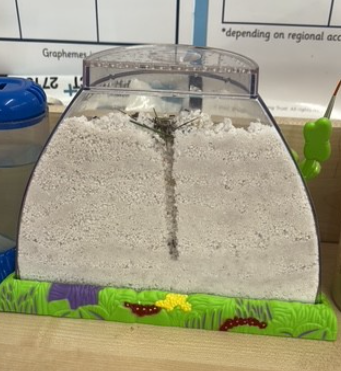
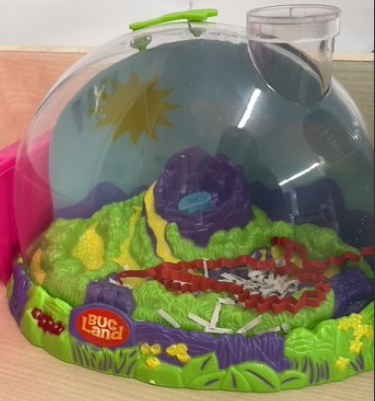
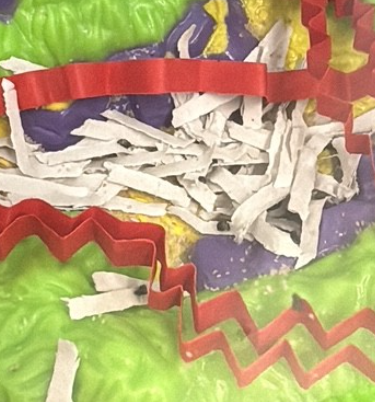
Our life cycle investigations have not stopped with the frogs. The class has also been exploring other fascinating examples of animal development. We have welcomed Sea Monkeys, an ant farm, and a collection of ladybird pupae into the classroom. These provide wonderful opportunities for the children to observe and compare different life cycles and behaviours across a range of species.
In English lessons, Year 5 have continued their exciting work based on the novel The Nowhere Emporium. The children have been exploring a range of figurative language techniques, including similes, metaphors and personification, to enhance their descriptive writing. Through shared and independent activities, pupils have generated a variety of ambitious and imaginative sentences, helping them to develop their vocabulary and writing skills in preparation for their apprentice pieces.
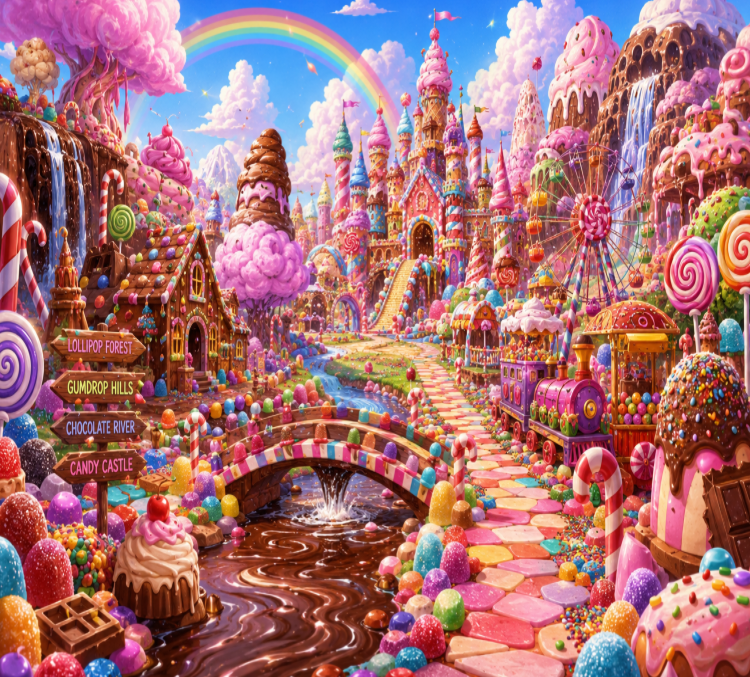
Drawing inspiration from the magical settings within the story, the children have been creating their own imaginative "Candy Lands". They have carefully considered how to engage the reader through vivid descriptions, sensory language and creative imagery. As part of their current writing sequence, pupils are writing diary entries from the perspective of a character experiencing life in their unique Candy Land. This has provided an excellent opportunity for them to apply their understanding of character voice, thoughts and feelings, while incorporating the figurative language techniques they have been practising.
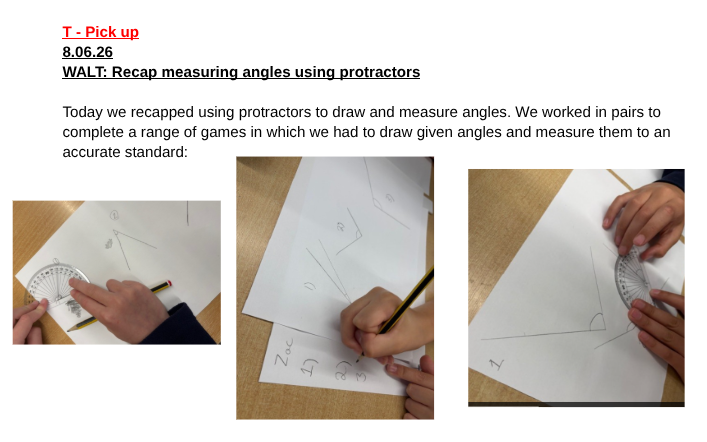
In Maths, Year 5 have been focusing on shape as part of the White Rose Maths curriculum. The children have been developing their understanding of angles and have been learning how to use protractors accurately to measure angles within a range of polygons. They have practised reading scales carefully and applying their knowledge to solve problems involving different shapes.
Pupils have also explored the properties of regular and irregular polygons, identifying and comparing features such as sides, angles and lines of symmetry. Through practical investigations and reasoning activities, the children have developed their ability to classify shapes and explain their mathematical thinking using appropriate vocabulary.
It has been encouraging to see the children's confidence grow as they use mathematical equipment with increasing accuracy and apply their knowledge of shape to a variety of challenges and problem-solving tasks.
Update - Friday 5th June 2026
In History, the children continued their learning about Ancient Greece. Before half term, they explored the Dark Age of Ancient Greece and applied their knowledge creatively by designing and creating their own Ancient Greece-themed board games. This provided an engaging opportunity for them to demonstrate their understanding of key features of the period while developing their creativity and problem-solving skills.
This half term, we moved on to studying the Archaic Age of Ancient Greece. To introduce this new period, the children listened to an informative podcast and took part in a game of podcast bingo, encouraging them to listen carefully and identify key facts and information. This helped to develop both their historical knowledge and their listening skills.
The children then generated their own enquiry questions about life during the Archaic Age. Using Chromebooks, they carried out independent research to investigate their chosen questions, learning how to locate relevant information from a range of sources and present their findings clearly. They demonstrated curiosity and independence as they explored different aspects of Ancient Greek society.
Throughout the unit, the children researched and learned about a variety of topics, including the origins and importance of the Olympic Games, clothing and fashion, daily life, trade and commerce, the development and use of coins, education and schooling, and the ways in which people lived and worked during the Archaic Age. They compared aspects of Ancient Greek life with life today and discussed how these developments helped shape the civilisation that followed.
The children have shown great enthusiasm for this topic and have developed their historical enquiry, research and presentation skills alongside their growing knowledge of Ancient Greece. We look forward to continuing our journey through the different periods of Ancient Greek history in the coming weeks.
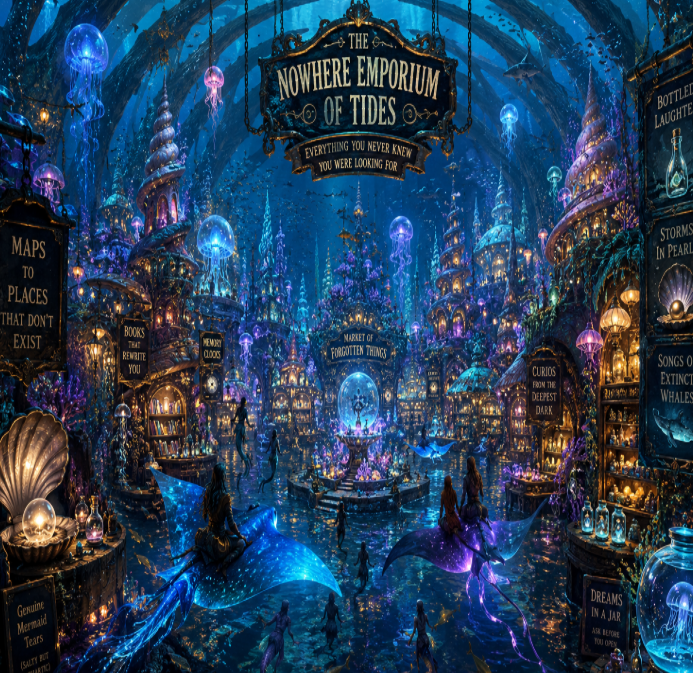
This week, we have begun an exciting new English unit based on our class novel, The Nowhere Emporium. The children have been introduced to the mysterious and magical world of the story and have started exploring one of its key themes: wonders.
To begin our learning, we discussed what the word wonder means and considered how different people may have different ideas about what makes something wonderful. The children shared their own thoughts and experiences and explored a variety of examples, ranging from natural wonders and incredible places to remarkable inventions and memorable personal experiences. This helped them to understand that wonders can be both extraordinary and unique to each individual.
The children then explored a range of engaging picture stimuli, carefully observing and discussing the details within each image. Using these pictures as inspiration, they developed their descriptive language skills by generating ambitious vocabulary and creating expanded noun phrases to describe the wonders they could see. They focused on adding detail and precision to their descriptions, helping to paint vivid pictures in the reader’s mind.
As part of our discussions, the children also reflected on what a wonder might be to them personally. They thought about places, people, objects and experiences that they find amazing or special and explained the reasons behind their choices. This encouraged thoughtful discussion and helped the children recognise that everyone's perspective can be different.
Throughout the week, the children have demonstrated excellent imagination and creativity while developing their speaking, listening and writing skills. We look forward to continuing our exploration of The Nowhere Emporium and using the rich and imaginative world of the text as inspiration for a range of exciting reading and writing opportunities in the coming weeks.
Update - Friday 22nd May 2026
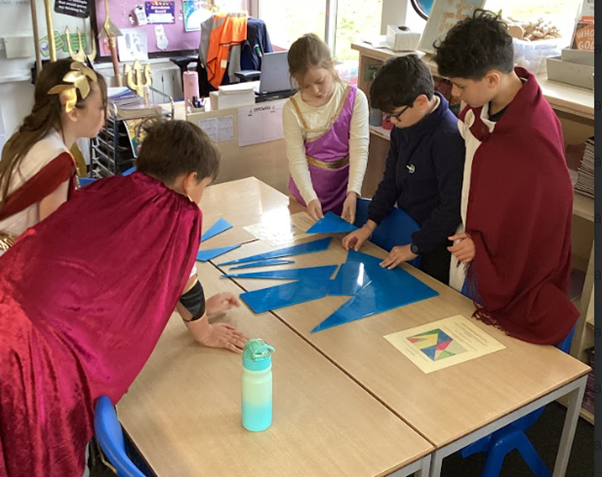
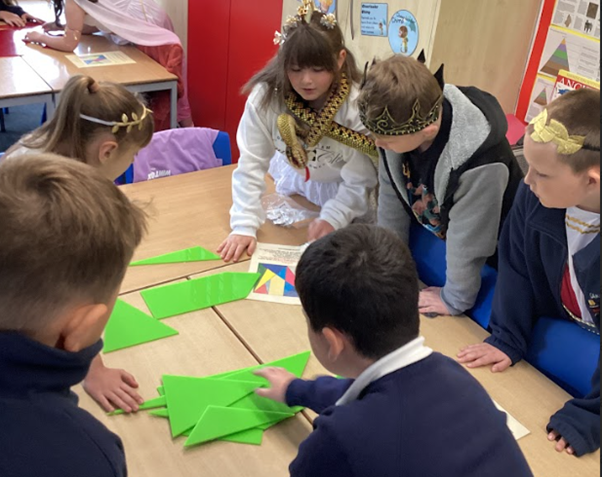
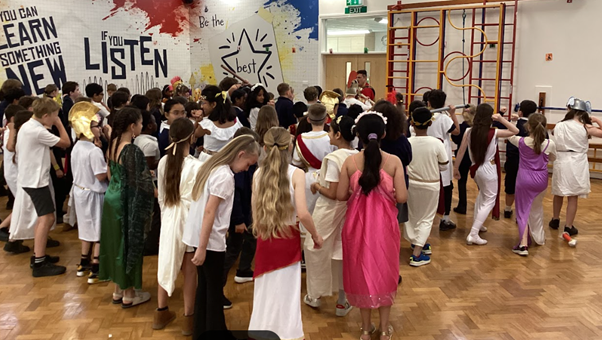
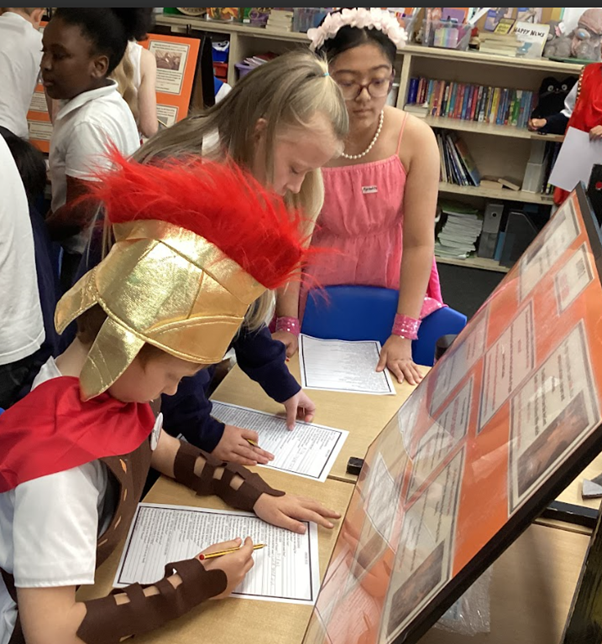
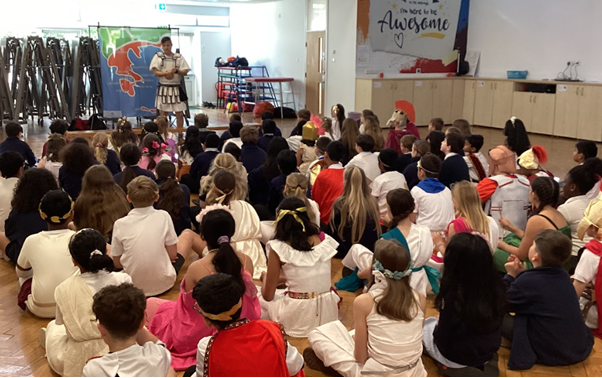
Year 5 Ancient Greece Experience Day
Year 5 had an exciting and immersive experience this week when Portals to the Past visited to deliver a full-day workshop all about Ancient Greece. This engaging, hands-on experience brought our History learning to life and gave the children a fantastic opportunity to deepen their understanding in a memorable way.
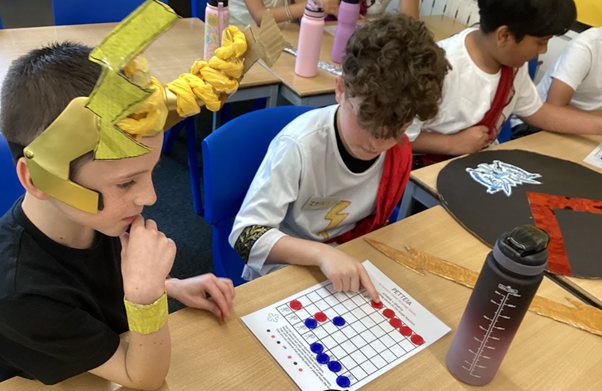
To begin, we would like to say a huge thank you to all parents and carers for your support in organising such creative and impressive costumes. The effort that went into these was truly appreciated, and the children looked absolutely amazing. From tunics and armour to laurel wreaths and shields, the outfits helped create a real sense of stepping back in time and added to the day's excitement.
Throughout the workshop, the children explored what life was like in Ancient Greece, focusing particularly on the different city-states. They learned about daily life, including education, food, homes, and the roles of men, women, and children. A key focus of the day was comparing Athens and Sparta, two of the most important and contrasting city-states.
The children discovered that Athens was known for its love of learning, creativity, and democracy. Citizens in Athens could participate in decision-making, and there was a strong emphasis on education, philosophy, art, and culture. In contrast, Sparta was a highly disciplined and militaristic society. Spartan life revolved around strength, training, and loyalty to the state. Boys were trained to become soldiers from a very young age, while girls were also encouraged to be strong and fit. The children found it fascinating to compare these two very different ways of life and discuss which they would have preferred to live in.
The day was filled with a wide range of interactive and practical activities. The children took part in an Archimedes-style puzzle challenge, encouraging them to think critically and problem-solve, just as ancient thinkers might have done. They also played an Ancient Greek strategy game similar to chess, where they had to carefully plan their moves, attack their opponents’ pieces, and try to trap them—developing both teamwork and strategic thinking skills.
Another highlight was an interactive quiz, where children moved around the room exploring large information boards filled with facts about Ancient Greece. This allowed them to independently gather information and test their knowledge in a fun and engaging way.
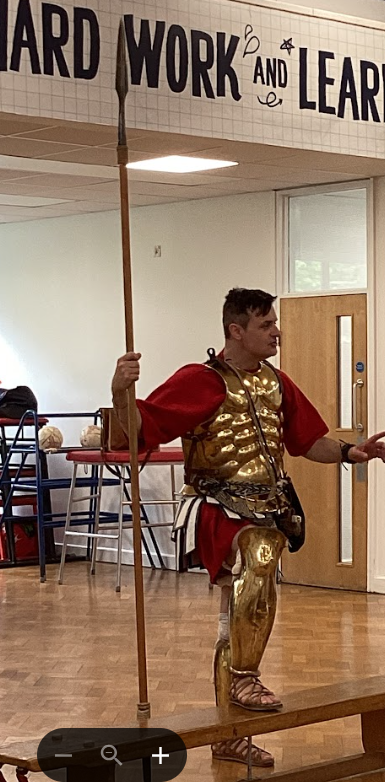
The workshop also included a fascinating look at Ancient Greek warfare. The children were shown a range of replica weapons and learned about how they were used in battle, as well as why they were effective. They explored the role of soldiers, battle formations, and the importance of discipline and teamwork in warfare, particularly in Spartan society.
One of the most exciting parts of the day was the mini Olympics competition. Inspired by the original Ancient Greek Olympic Games, the children competed in a variety of events, including javelin. There was a wonderful sense of enthusiasm and friendly competition between the classes, and all children participated with great energy and determination.
To conclude the day, the children formed their own “army” and responded to commands given in Greek. This was a fun and energetic activity that really captured their imaginations and helped them feel fully immersed in the experience.
Overall, it was a fantastic day that worked perfectly alongside our current History unit on Ancient Greece. The children were highly engaged throughout, had a great deal of fun, and gained a deeper understanding of the topic through hands-on learning. It was wonderful to see their enthusiasm and curiosity, and they have already been using their new knowledge in class discussions.
Update - Friday 15th May 2026
Science:
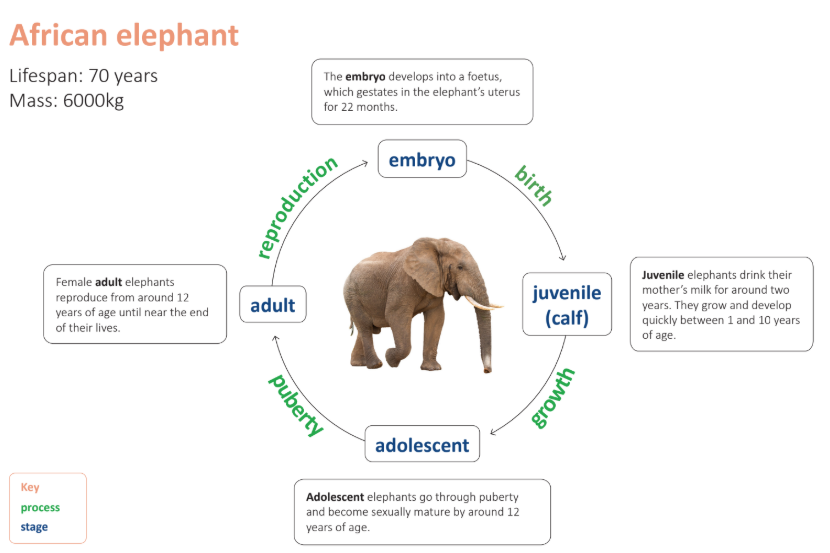
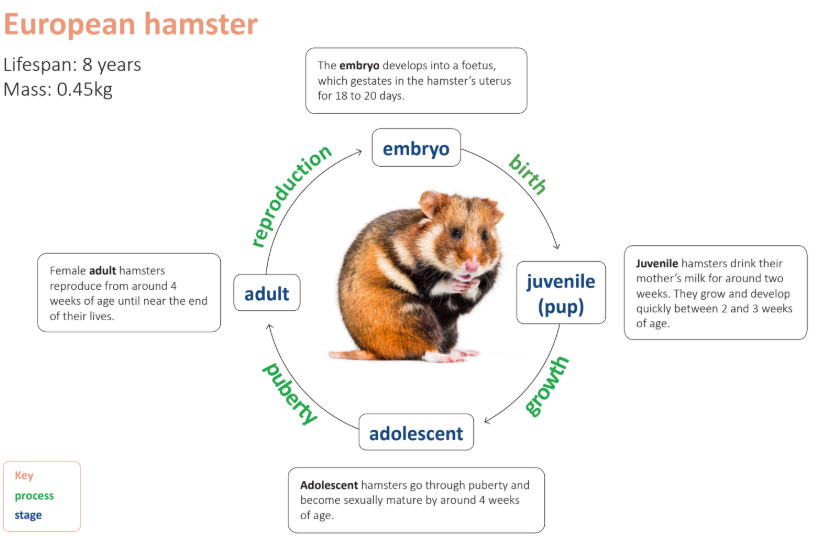
Year 5 have been exploring the fascinating life cycles of mammals as part of the Maestro Curriculum science unit on life cycles. Throughout the topic, children investigated how mammals grow and change from birth to adulthood, while also comparing the different stages within a variety of animal life cycles. They explored similarities and differences between mammals and other living things, developing a deeper understanding of how animals adapt and survive in their environments.
A particular focus of learning was gestation periods and how these vary between mammals. The children were fascinated to discover how some animals, such as mice, have very short gestation periods, while others, including elephants, carry their young for nearly two years. They discussed reasons for these differences and considered how the size, habitat and development of animals can influence the length of pregnancy.
During lessons, pupils developed a range of important scientific skills. They practised observing closely, asking questions and using research skills to gather information from different sources. Children compared data, identified patterns and recorded their findings using tables, diagrams and labelled life cycle illustrations. They also strengthened their vocabulary by learning and confidently using scientific terms such as gestation, reproduction, offspring and development.
English:
In English, Year 5 have continued their exciting work on the Greek Gazette unit. Building on their previous learning about the Labours of Hercules, the children used their final narrative pieces from the last unit as inspiration for writing detailed newspaper reports. Pupils imagined that they had personally witnessed one of Hercules’ famous labours and were responsible for reporting the event to the people of Ancient Greece.
Throughout the unit, children explored the features and structure of newspaper writing. They learned how to create engaging headlines, informative introductions and well-organised paragraphs to capture the reader’s attention. A key focus was using the 5 Ws — who, what, where, when and why — to ensure their reports included all the important information a reader would need.
The children also developed their understanding of journalistic techniques, including the use of formal language, eyewitness quotes, rhetorical questions and powerful vocabulary to create dramatic and believable reports. They carefully considered how to present events clearly and factually while still making their writing exciting and engaging for the audience.
We will soon be coming up to our final pieces of writing for this unit.
History:
Having studied the Minoan and Mycenaean civilisations, the children compared and contrasted the two this week. On Monday 18th May, the children are lucky enough to have Portals to the Past coming into school to teach the children more about the Ancient Greeks. As mentioned in both hard copy and electronic email, the children can dress up in character for this event so we will make sure to show you pictures from the event next week!
Update - Friday 8th May 2026
This week in History, Year 5 immersed themselves in the fascinating world of the ancient Minoan Civilisation as we began our learning about the Ancient Greeks.
We explored who the Minoans were, how they lived, and why they were known for their peaceful way of life. The children learnt about daily life, farming, fishing, building, and the incredible skill the Minoans showed in arts and pottery. Through videos and class discussions, the children began to build a strong understanding of this early civilisation.
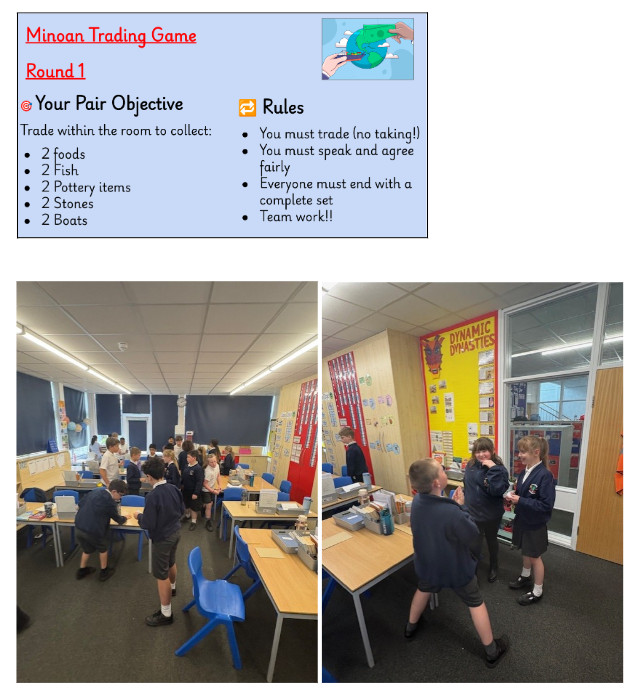
To bring our learning to life, we transformed our classroom into a Minoan world! Each pair of children was given a different role within society, including fishermen, builders, farmers, and pottery makers. The children had 10 minutes to work quickly to create their own resources by drawing and cutting out fish, stone, grain, wheat, and pottery items.
Once their resources had been gathered, the class took part in peaceful trading. Their challenge was to work together to collect enough of each item to survive. The children traded calmly and fairly, and most groups found success. Everyone was happy, cooperative, and there were very few disagreements.
However, our lesson then took a dramatic turn as we learned about the natural disasters that affected the Minoans, including earthquakes and volcanic eruptions. After watching footage and discussing the impact of these events, many of the children’s hard-earned resources were suddenly removed to represent the destruction of homes, farms, food, and belongings.
The children then had to trade again — but this time, with far fewer resources available. The atmosphere in the classroom changed immediately. Trading became much more difficult and stressful. Some children became frustrated, some tried to hold onto resources, and only a few groups managed to collect everything they needed.
At the end of the activity, we reflected together on why the second round had felt so different. The children recognised that limited resources after a disaster created fear, pressure, and conflict. This led to a thoughtful discussion about how the Minoans may have felt when faced with such devastating events and how difficult circumstances can sometimes cause peace to break down.
By the end of the lesson, the children had developed a deep and empathetic understanding of the challenges faced by the Minoan civilisation, as well as the importance of cooperation, fairness, and community.
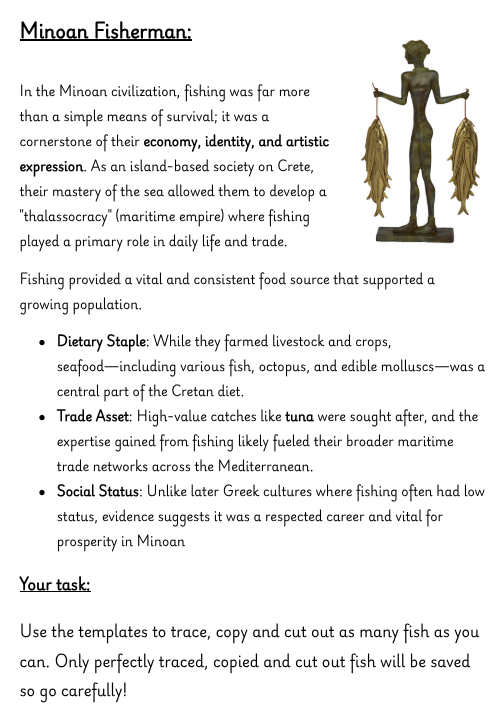
In Computing this week, Year 5 have been exploring the exciting world of stop-motion animation. The children learnt how animations are created by taking lots of individual photographs and then playing them together in sequence to create the illusion of movement.
Using the iPads, the children worked creatively with plasticine to design and build their own characters, props, and mini scenes. They carefully planned their ideas before beginning the animation process, thinking about how their characters would move and what story they wanted to tell.
The children quickly discovered that stop-motion animation requires patience, teamwork, and attention to detail. For every small movement made to their plasticine models, they had to take another photograph. They then used the iPads to piece all of their images together into a smooth video animation.
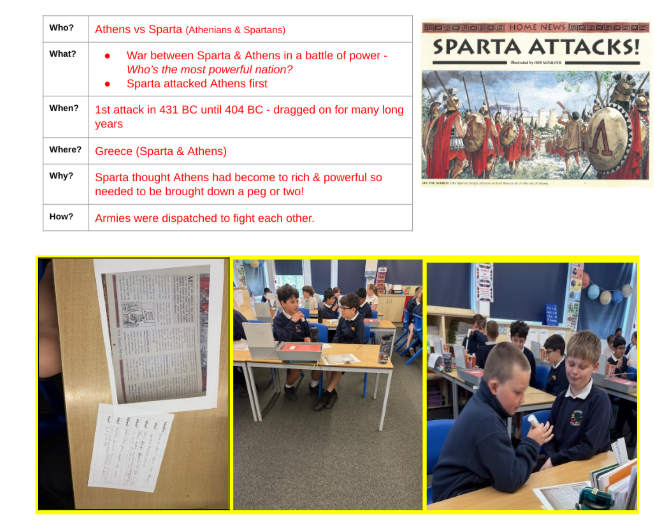
In English this week, Year 5 began an exciting new topic called The Greek Gazette. The children were introduced to the world of newspaper reporting and explored the key features that make an effective news article.
We examined a range of newspaper articles together and discussed how journalists present information clearly to engage their readers. The children identified important layout features such as headlines, subheadings, captions, columns, and photographs, and considered how these help organise information and capture attention.
A major focus of the lesson was understanding the “5 Ws” of news reporting: who, what, where, when, and why. The children learnt how journalists use these questions to ensure their reports include all the key information readers need. We also explored the importance of tone in newspaper writing and discussed how reporters aim to sound formal, factual, and informative.
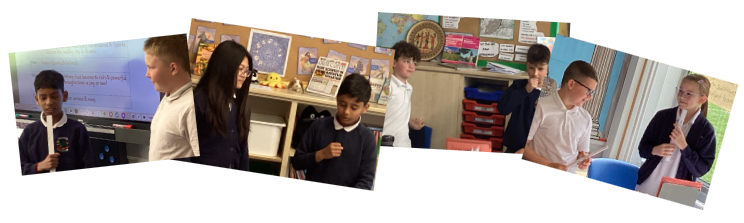
To bring the learning to life, the children watched a professional news presenter and discussed the speaking techniques used to report information clearly and confidently. They then stepped into the role of news reporters themselves and performed a live news report about Sparta vs Athens. The children used formal language, confident speaking voices, and expressive presentation skills to report on the differences and rivalry between the two city-states.
The lesson was full of enthusiasm and creativity, and the children thoroughly enjoyed becoming reporters for The Greek Gazette. We are looking forward to seeing them apply these skills in their own newspaper writing over the coming weeks.
Update – Friday 1st May 2026
History:
We are excited to share the start of our new History topic, Groundbreaking Greeks! The children have already shown great enthusiasm and curiosity as they begin to explore the fascinating world of Ancient Greece.
To launch the topic, we held an engaging “hook” lesson where the classroom was transformed into a time-travelling investigation zone. The children became History detectives, tasked with uncovering clues about the past. They explored five different “evidence envelopes,” each containing a variety of sources such as pictures, artefacts, maps, timelines, and written information linked to Ancient Greece.
Working carefully and thoughtfully, the children examined each piece of evidence and used sentence stems to help structure their ideas. For every item, they considered what they could see, what it might tell them, and what they could learn about Greek life and achievements. This approach encouraged them to think like historians—questioning, interpreting, and making connections.
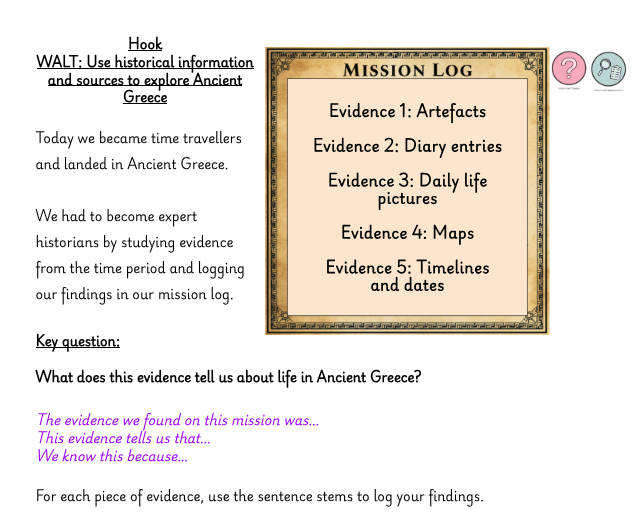 The evidence was passed around the room, giving all children the opportunity to engage with each set of materials. As they worked, they recorded their findings in a “mission log,” which captured their observations and developing understanding. It was wonderful to see their confidence grow as they shared ideas and built on each other’s thinking.
This exciting introduction has already sparked lots of thoughtful questions and discussions. We are looking forward to continuing our journey through Ancient Greece, exploring its culture, innovations, and lasting impact on the world.
We can’t wait to share more of our learning with you as the topic progresses!
Art:
We are delighted to share our recent learning in Art, where the children have been exploring Expressionism.
To begin, the children focused on how emotions can be shown through facial expressions. Working in pairs, they carefully observed one another and practised drawing their partner’s face, paying close attention to key features and how these change when showing different feelings. This helped them develop important drawing skills such as line, shape, and proportion, while also encouraging them to think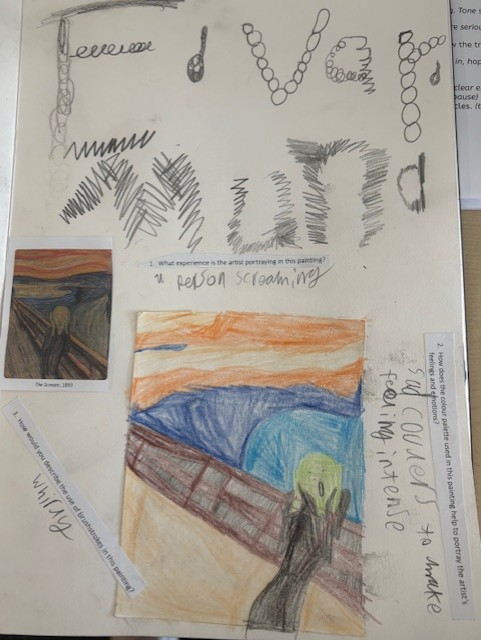 about how emotions can be communicated visually.
We then introduced the children to the artist Edvard Munch, a famous Norwegian painter known for his powerful and emotional artwork. Munch is most well-known for his painting The Scream, which expresses strong feelings of anxiety and fear. We discussed how his work focuses less on realism and more on conveying mood and emotion through bold colours, dramatic lines, and exaggerated features. The children were fascinated to learn how artists can use these techniques to make the viewer feel something.
Following this, the children explored a range of Munch’s artwork. Each child selected a piece that inspired them and used it as the basis for their own drawing. They applied key Expressionist techniques, such as using strong lines, focusing on emotion, and being less concerned with perfect realism. Instead, they concentrated on expressing feeling through their work.
It has been wonderful to see the children grow in confidence and creativity, experimenting with new styles and thinking more deeply about how art can communicate emotions.
Update - Friday 24th April 2026
PSHE:
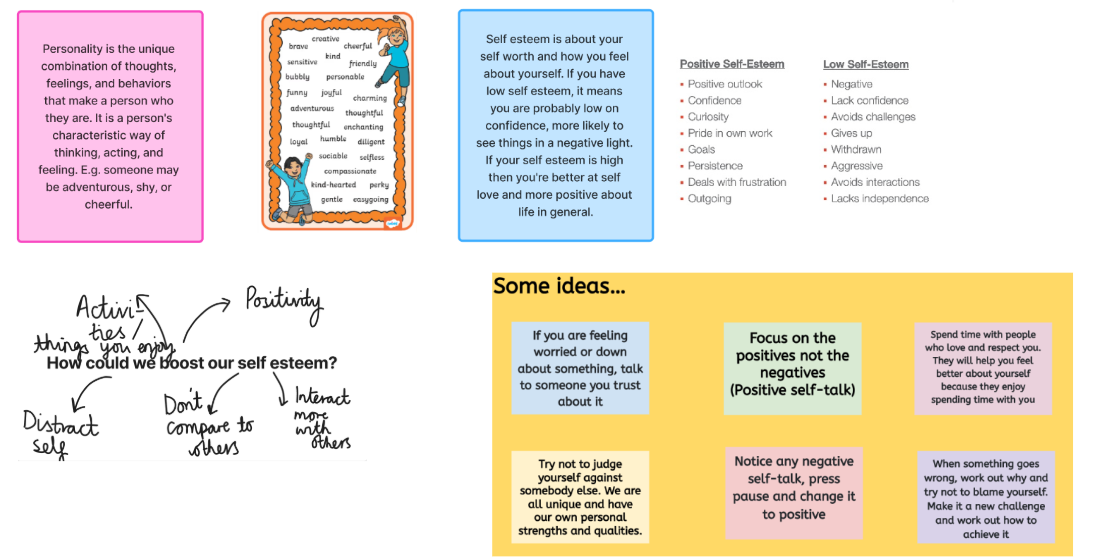
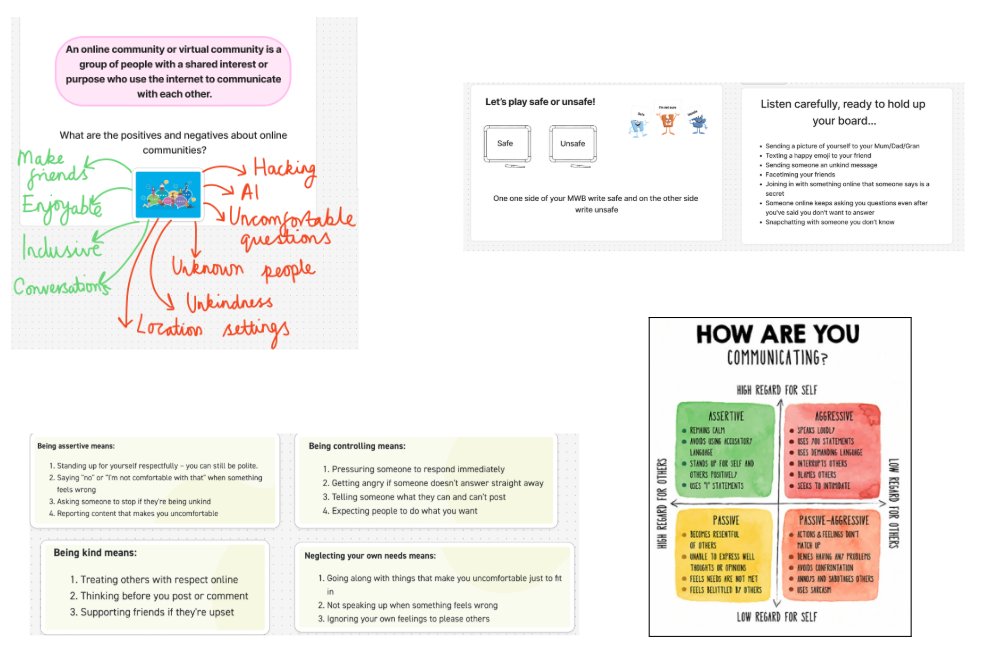
This half term, Year 5 have begun the Jigsaw PSHE unit ‘Relationships’, which supports children in understanding how to develop positive relationships, both offline and online.
In the first two ‘puzzle pieces’, the children have been learning about:
- Self-Esteem:
The children have explored what self-esteem means and why it is important. They have been thinking about their own strengths, achievements, and positive qualities, and how these contribute to their sense of self-worth. Through discussion and reflection, pupils have considered how to build their confidence and recognise the value in themselves and others. - Belonging to an Online Community:
Pupils have begun to explore what it means to be part of an online community. They have discussed how people connect and communicate online, as well as the importance of behaving respectfully and safely in digital spaces. The children have also considered how online interactions can affect feelings and the importance of making positive choices when engaging with others online.
These sessions have encouraged thoughtful discussion and helped the children to develop confidence, awareness, and a sense of responsibility in both their real-life and online relationships.
We look forward to continuing the unit and sharing more of their learning with you.
Geography:
This week, Year 5 have concluded their Rainforests topic by focusing on the fascinating journey of coffee beans from growth to the final product that we see in shops. The children have developed a deeper understanding of global trade and the many interconnected stages involved in producing and transporting a product across the world. They explored where coffee is grown, learning that it is typically cultivated in countries near the equator where the climate is warm and humid, with consistent rainfall and fertile soil. These conditions are essential for coffee plants to thrive, which is why regions such as Peru, Brazil, and other parts of South America are well known for coffee production.
The children also studied the detailed process of how coffee is produced. They learned that coffee grows as a fruit known as a cherry, which must be carefully handpicked when ripe to ensure quality. Once harvested, the cherries are washed to remove the outer fruit, then dried either in the sun or using specialised equipment before being prepared for export. Pupils followed the journey further by exploring how the dried coffee beans are packed and transported across the world on large cargo ships, highlighting the scale and complexity of global trade networks.
To bring their learning to life, the children wrote diary entries from the perspective of a Peruvian coffee farmer. In these pieces, they reflected thoughtfully on the challenges faced by farmers, including difficulties such as crop diseases, unpredictable weather conditions, physical demands of harvesting, and the issue of low and often unfair pay. This helped them to develop empathy and a greater awareness of the realities behind everyday products.
Finally, the children explored the concept of Fairtrade and how it aims to support farmers by ensuring they receive fairer prices for their crops and improved working conditions. They discussed the positive impact Fairtrade has on communities, including better access to education, healthcare, and more sustainable farming practices. The children also considered how consumers can make more informed and ethical choices when purchasing products, helping to support fairness in global trade.
This unit has provided Year 5 with valuable insight into the journey of everyday products and encouraged them to think carefully about sustainability, fairness, and the wider world beyond their own community.
English:
In English this week, Year 5 have been developing their own action toolkit in preparation for writing their final piece based on the story of Hercules. The children have been exploring a range of sentence structures to improve the quality, variety, and impact of their writing. They have carefully studied model examples and then mimicked and adapted these, applying their learning to the context of Hercules and his heroic journey.
As part of this work, pupils have focused on using expanded noun phrases to add detail and precision to their descriptions, as well as conjunctions to link ideas and extend their sentences. They have also been developing their use of complex sentences, learning how to combine main and subordinate clauses to create more sophisticated writing. In addition, the children have explored relative clauses, using them to add extra information and enrich their sentences further.
To enhance their writing style and create effect, pupils have also experimented with punctuation for impact, including the use of dashes to add emphasis or extra detail, and question marks to engage the reader and show reflection or uncertainty.
These skills are helping the children to build a toolkit of techniques that they can independently draw upon when crafting their own myth-inspired writing about Hercules.
Update - Friday 17th April 2026
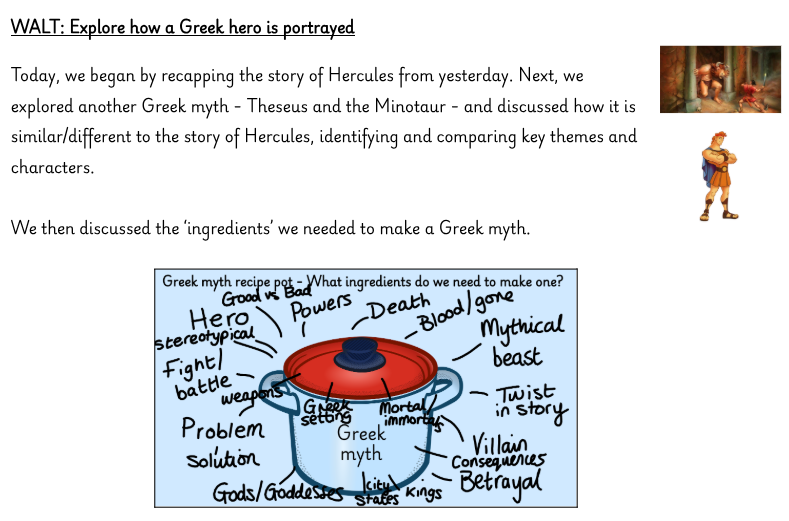
This week in English, Year 5 have begun an exciting new unit based on the story of Hercules, which links closely to our History learning on Groundbreaking Greeks. The children were introduced to the myth through an engaging video stimulus, which helped bring the story to life, before exploring a written version to develop their understanding of the plot, characters and key events.
In our reading lessons, the children have also been learning about Theseus and the Minotaur. They really enjoyed comparing this story with Hercules, discussing the similarities and differences between the two myths. This helped them to identify common themes, characters and settings, and to understand what makes a Greek myth unique.
Next week, we will be exploring a graphic novel version of Hercules. This will give the children the opportunity to see how the same story can be told in a different way, using both images and text to support understanding.
In writing, the children have started to develop their descriptive skills by creating character descriptions. They have been focusing on using expanded noun phrases and ambitious vocabulary to describe mythical creatures such as the Hydra and the Nemean Lion. We have been really impressed with their creativity and the powerful language they are beginning to use.
You could support your child at home by asking them to retell the story of Hercules or Theseus and the Minotaur, or by encouraging them to describe their own mythical creature using interesting and imaginative vocabulary.
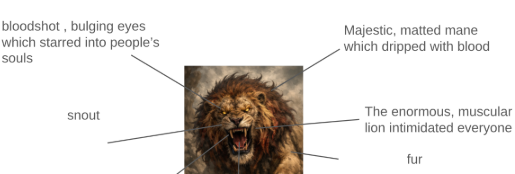
This term, we are placing a strong focus on handwriting and presentation across all areas of learning. The children are working incredibly hard towards earning their pen license, which is awarded when they can consistently demonstrate neat, well-sized and correctly joined handwriting in line with Year 5 expectations.
We are now including a dedicated handwriting focus in every English lesson. During these sessions, the children practice key words and spellings, helping to improve both their handwriting and their written work in English.
This focus continues into our afternoon lessons, where children are encouraged to take pride in their presentation in all subjects. We are already seeing a real improvement in the care and effort being put into their work, which is fantastic.
To earn a pen license, children need to demonstrate they can consistently maintain a high standard of handwriting across all subjects, not just in English.
You can support your child at home by encouraging them to take their time with their handwriting and to practice neat, joined writing.
In Geography, Year 5 are coming to the end of our rainforest unit. The children have developed a strong understanding of rainforest climates, including temperature and weather patterns, and how these conditions affect the environment.
Before Easter, we explored how different foods grow in different climates around the world. Building on this learning, this week we “zoomed in” on the UK and investigated where our food comes from. The children learned about imports and exports, and had some great discussions about why certain foods need to be imported because they cannot be grown in our climate.
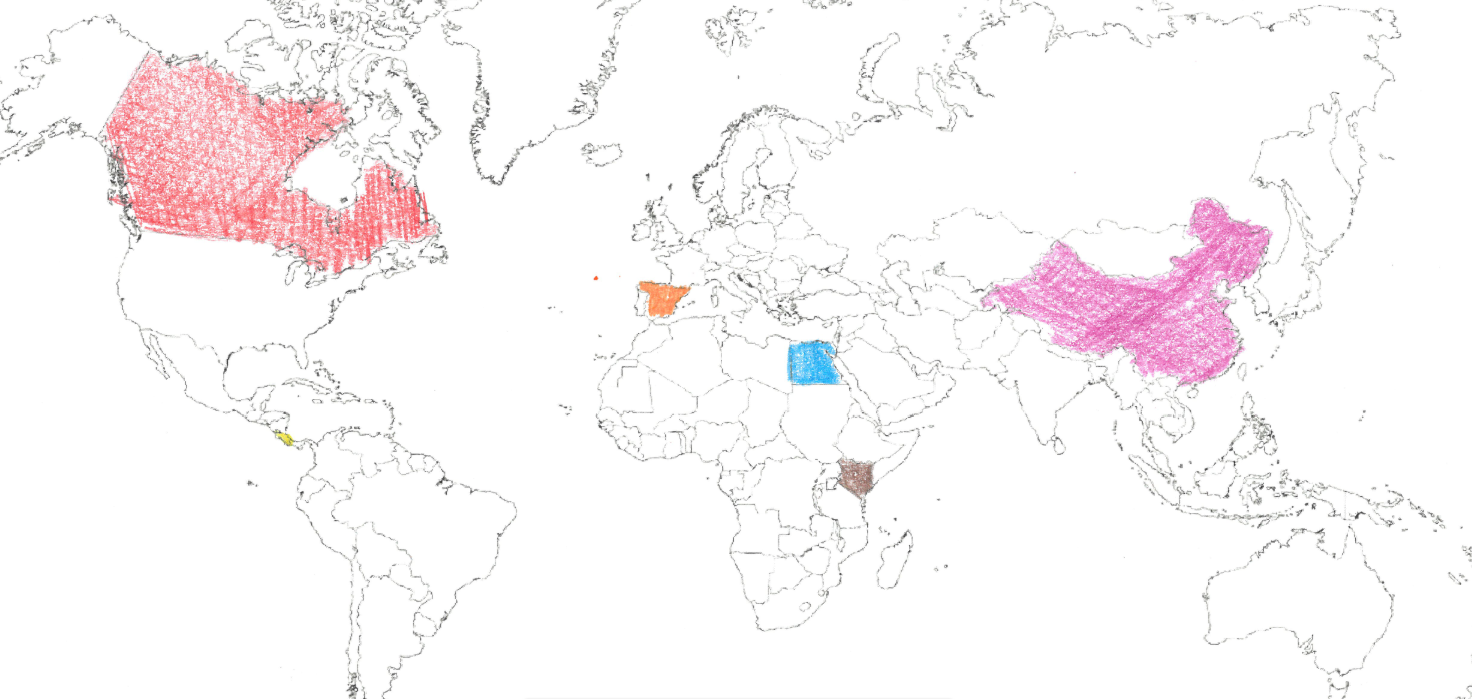
We then followed the journey of a banana, tracing its path from tropical regions such as Costa Rica all the way to supermarket shelves here in the UK. This helped the children to understand the long and often labour-intensive process involved in producing and transporting food. They were particularly interested in learning about “food miles” and the environmental impact of transporting goods across the world.
You could support your child at home by talking about where different foods come from or by looking at food packaging together to spot which items are imported.
Update - Friday 20th March 2026

Computing:
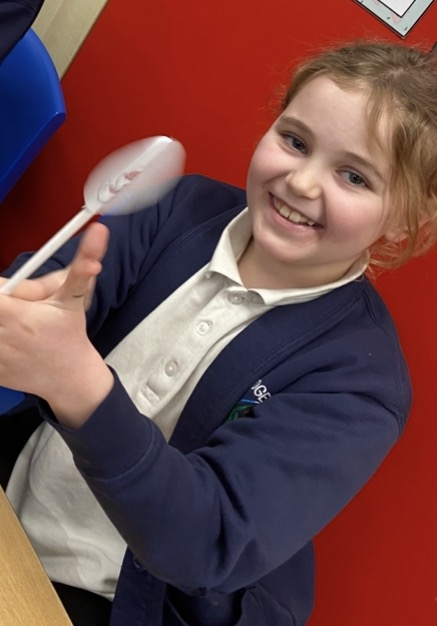
In Year 5 Computing, the children explored the topic of animation. They learned how animations work by understanding how a sequence of images shown quickly can create the illusion of movement. The class discussed and investigated different ways animations can be created, including digital methods. To support their learning, the children also made a thaumatrope, a traditional optical toy. This hands-on activity helped them understand how two images can appear to blend together when spun rapidly, reinforcing their understanding of how animation and visual effects work in a fun and practical way.
Science:
The children explored reversible and irreversible changes. They learned how some changes can be undone, such as melting, dissolving, or freezing, and how these are called reversible changes. They also investigated irreversible changes, where new materials are formed and the change cannot be undone, such as burning, rusting, or cooking. The children carried out practical investigations to observe and record their findings carefully. They developed their scientific skills by making predictions, observing results, and explaining their conclusions. This work supported their understanding of how materials can change in different ways.
Art:
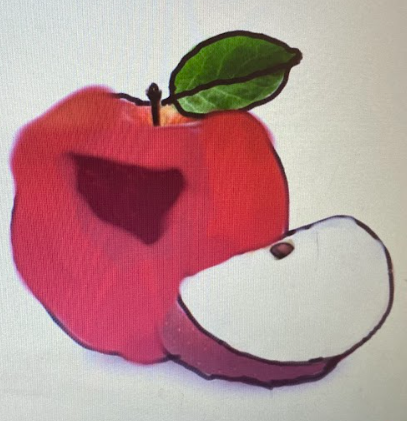
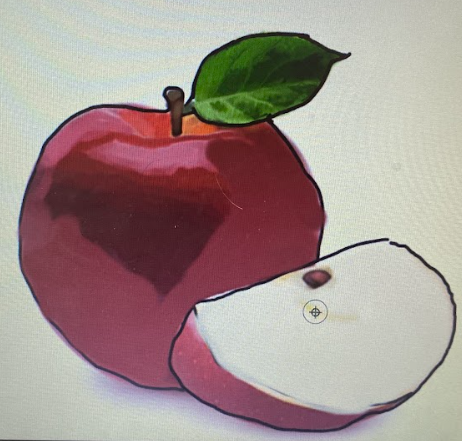
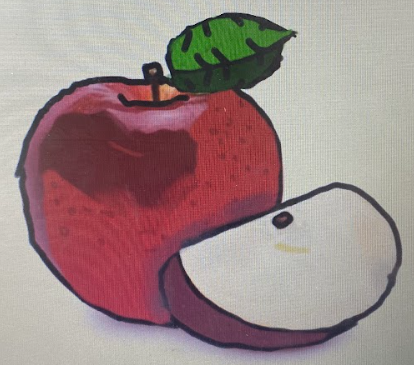
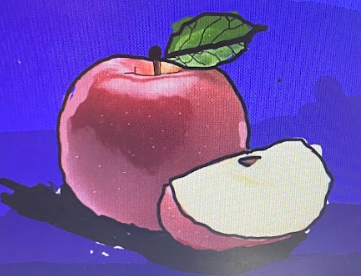
In Art, the children used Kleki art software to create a piece of artwork inspired by a photograph. They carefully observed details such as shape, colour, texture, light, and shadow to help them recreate their images accurately. The children developed a range of digital skills, including using drawing tools, selecting colours, adjusting brush sizes, layering, and refining their work. They demonstrated patience and creativity while editing and improving their designs. This activity helped them build confidence in digital art techniques and strengthened their ability to translate a real image into a detailed piece of artwork.
Update - Friday 13th March 2026
DT: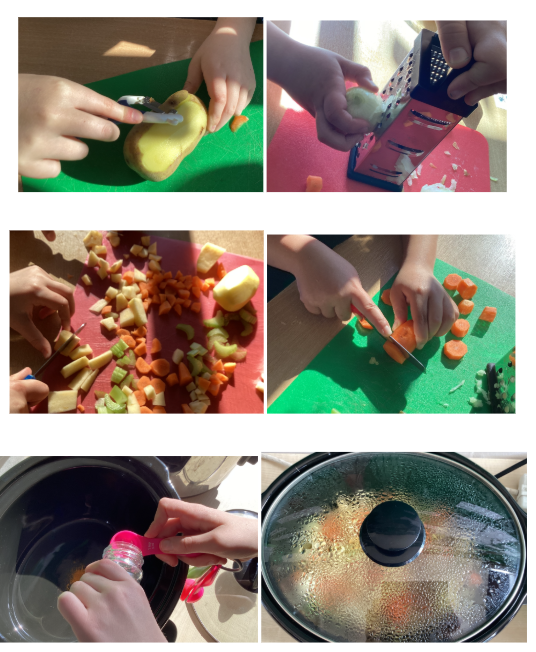
In DT this week, the children learned key cooking skills while working with seasonal vegetables. They practised important food preparation techniques such as safely using a chopping board and knife, holding vegetables securely using the “claw grip,” and carefully cutting vegetables into even pieces. The children also learnt how to peel and prepare vegetables, measure ingredients, and combine them to create a vegetable soup.
Working in small groups, the children then followed a simple recipe to prepare and cook their own vegetable soup. They collaborated well, sharing responsibilities such as chopping vegetables, measuring ingredients, and stirring the soup while it cooked. It was wonderful to see them applying their new skills and working together as a team.
Next week, the children will begin designing their own soups. They will think carefully about which vegetables and flavours work well together and plan their recipes. In the final week before the end of term, they will make the soups they have designed themselves.
In RE this week, the children explored the concept of salvation and what this might mean in their own lives. They discussed situations where someone might need help, forgiveness, or a fresh start, and reflected on how people can be supported or “saved” from difficult situations.
The children then applied this idea to Christianity by exploring the story of Adam and Eve. They discussed what went wrong in the story and considered how Christians believe God continued to care for and guide people despite their mistakes.
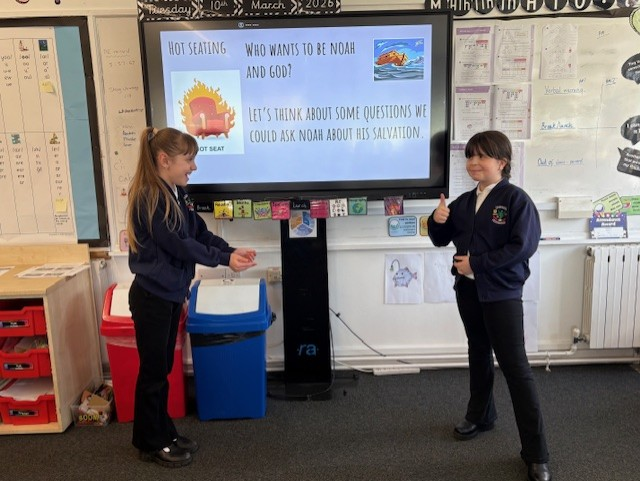
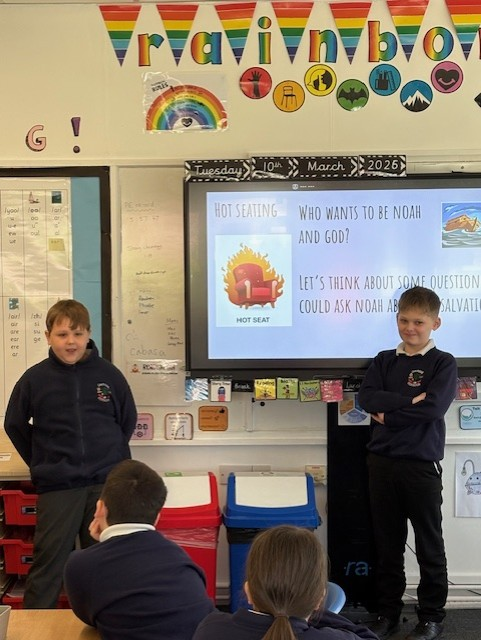
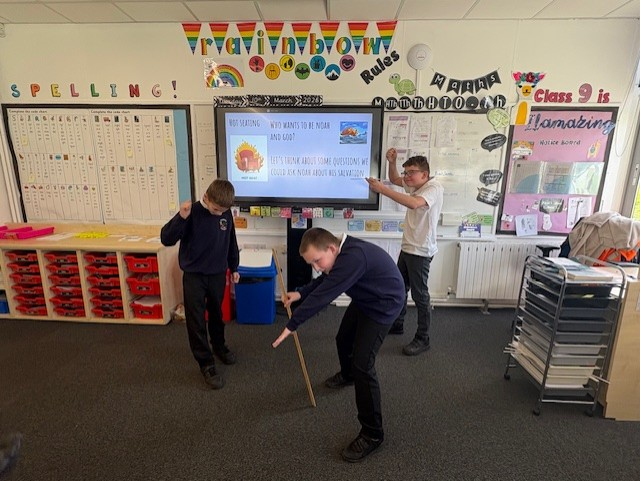
Next, the class looked at the story of Noah. The children acted out key moments from the story and worked together to identify where they could see examples of salvation. They discussed how Noah and his family were saved and what this story teaches Christians about God’s promises, forgiveness, and hope for a new beginning.
In PSHE this week, we began a new unit from the Jigsaw programme called “Healthy Me.” This topic focuses on helping children understand how to make healthy choices and how to take care of both their physical and mental well-being.
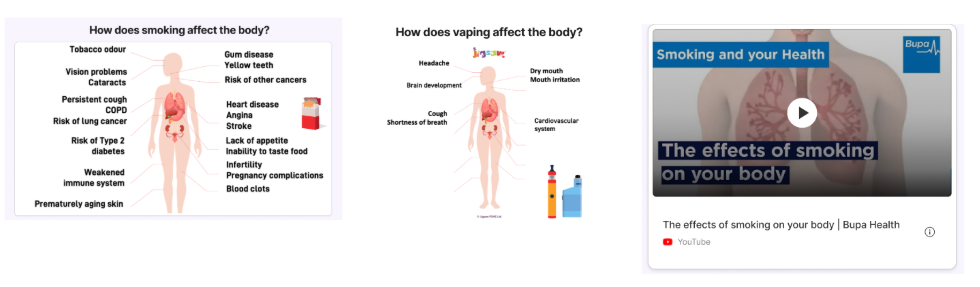
In this lesson, the children explored the effects of smoking and vaping on the body. They learnt about how harmful substances can affect important organs such as the lungs, heart and brain, and discussed the short- and long-term impacts these habits can have on a person’s health. The children also considered how smoking and vaping can affect not only physical health but also mental well-being.
As part of the Jigsaw learning objectives, the children identified some of the risks associated with smoking and vaping and discussed why people might feel pressure to try these behaviours. They explored strategies for making positive, healthy choices and talked about how to stay confident in their decisions.
The class took part in thoughtful discussions and showed a good understanding of why making healthy choices is important for their well-being.
Update - Friday 6th March 2026
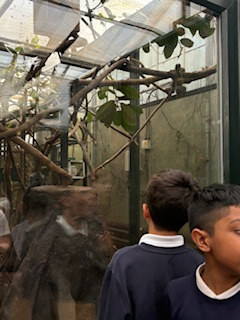
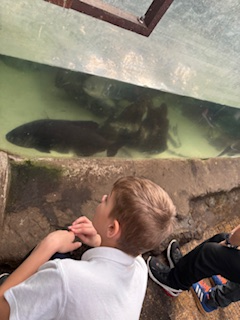
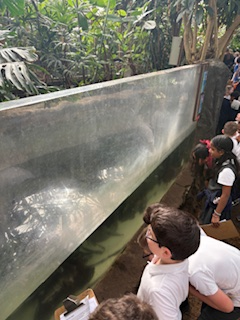
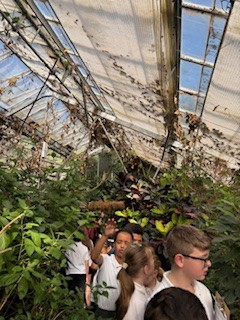
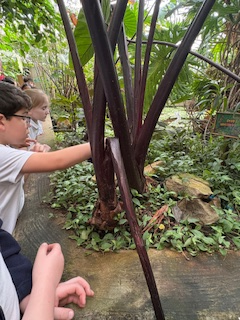
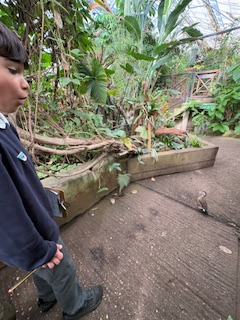
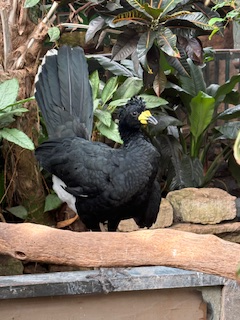
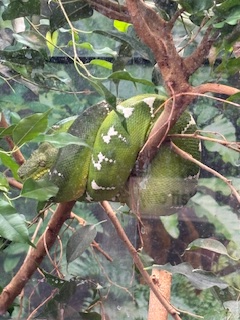
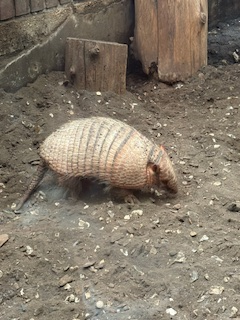
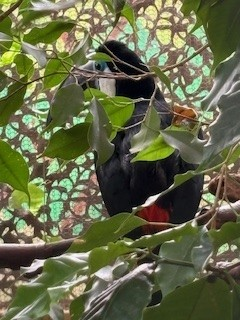
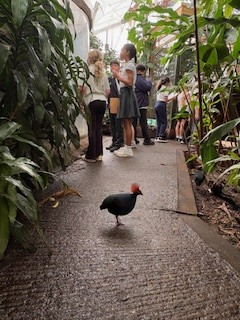
Year 5 had a fantastic Geography trip to the Living Rainforest in Newbury this week. The children were an absolute credit to the school – they were extremely well-behaved, respectful and enthusiastic throughout the day.
During our visit, the children took part in a guided tour led by a brilliant tour guide who shared a huge amount of knowledge about rainforest ecosystems. The children learnt about how both animals and plants adapt in order to survive in the warm, humid conditions of the rainforest. They explored ideas such as camouflage, specialised diets, climbing adaptations and how plants compete for sunlight and water.
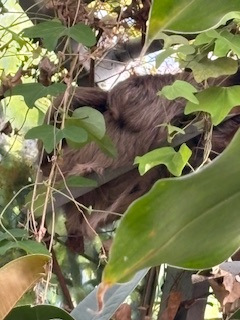
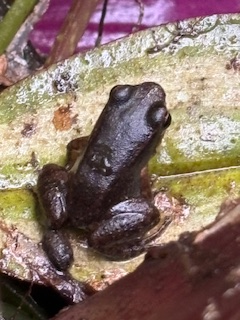
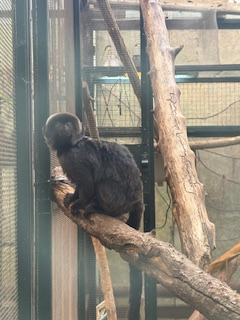
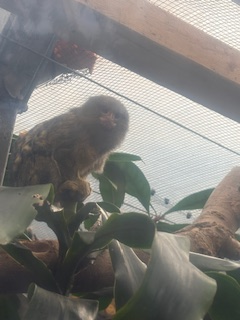
The children had the opportunity to see a wide range of fascinating rainforest animals, including monkeys, sloths, colourful parrots, poison dart frogs, leafcutter ants and reptiles such as lizards. Seeing these animals up close helped the children understand how their physical features and behaviours help them survive in their environment.
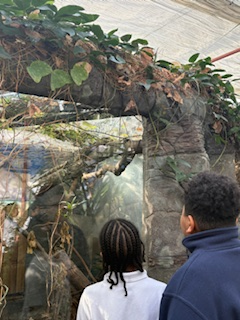
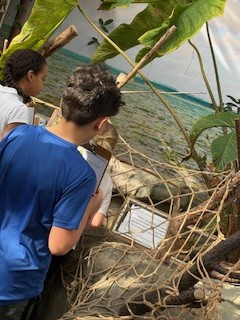
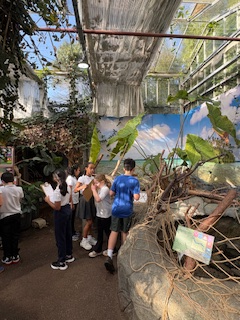
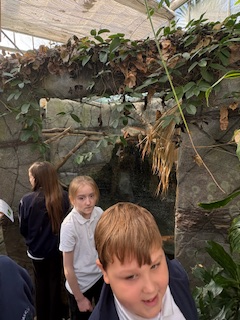
We also explored many different rainforest plants and learnt about their unique adaptations. The children saw large tropical plants such as banana plants, orchids, ferns and palms. They discovered how some plants have waxy leaves to help shed water, how others grow tall to reach sunlight, and how certain plants rely on animals and insects for pollination.
The experience brought our Geography learning about rainforests to life. The children asked thoughtful questions, showed great curiosity and gained a deeper understanding of biodiversity and adaptation within rainforest environments.
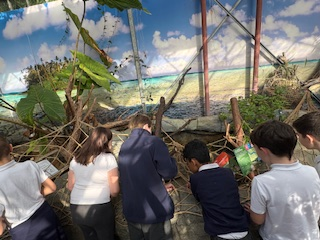
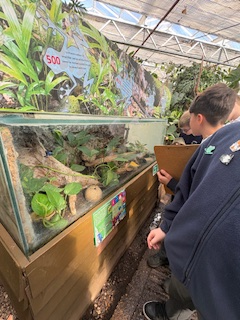
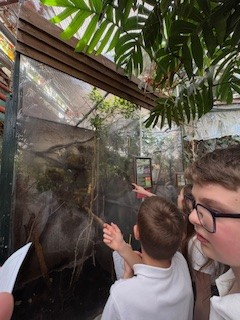
It was clear that the children thoroughly enjoyed seeing the animals and plants and learning directly from experts. They gained so much from the trip and it was a wonderful opportunity to experience a real rainforest environment.
We are very proud of how the children represented the school and how engaged they were with their learning throughout the day.
Update – Friday 27th February 2026
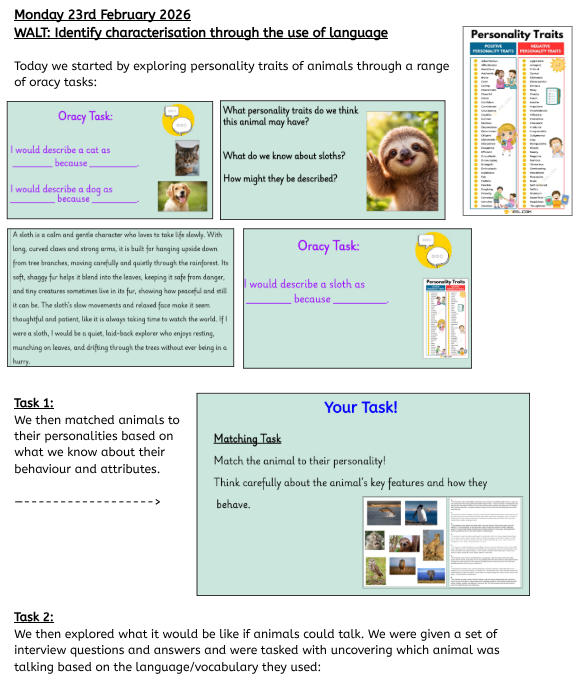
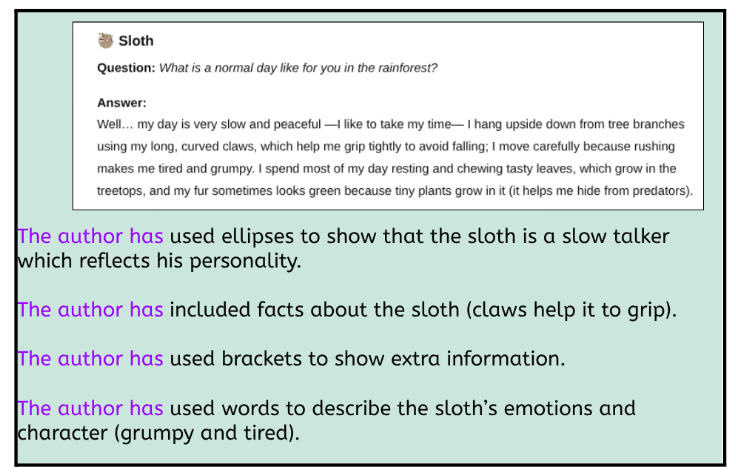
This week, we launched our new English topic, ‘Talking Tails’, inspired by An Interview with an Animal by Andy Seed. The children thoroughly enjoyed exploring the personality traits of different rainforest animals and thinking about how these traits could be brought to life through an interview format.
We spent time examining the layout and language features of Andy Seed’s texts in preparation for our own writing. Over the coming days, the children will be writing their own imaginative interviews with a rainforest animal of their choice.
Our key writing focusses in this unit include:
-
Using relative clauses to add detail
-
Accurate use of semi-colons
-
Use of parenthesis within sentences
-
Writing with a range of sentence structures and clauses
The children are already buzzing with ideas and enthusiasm for their interviews!
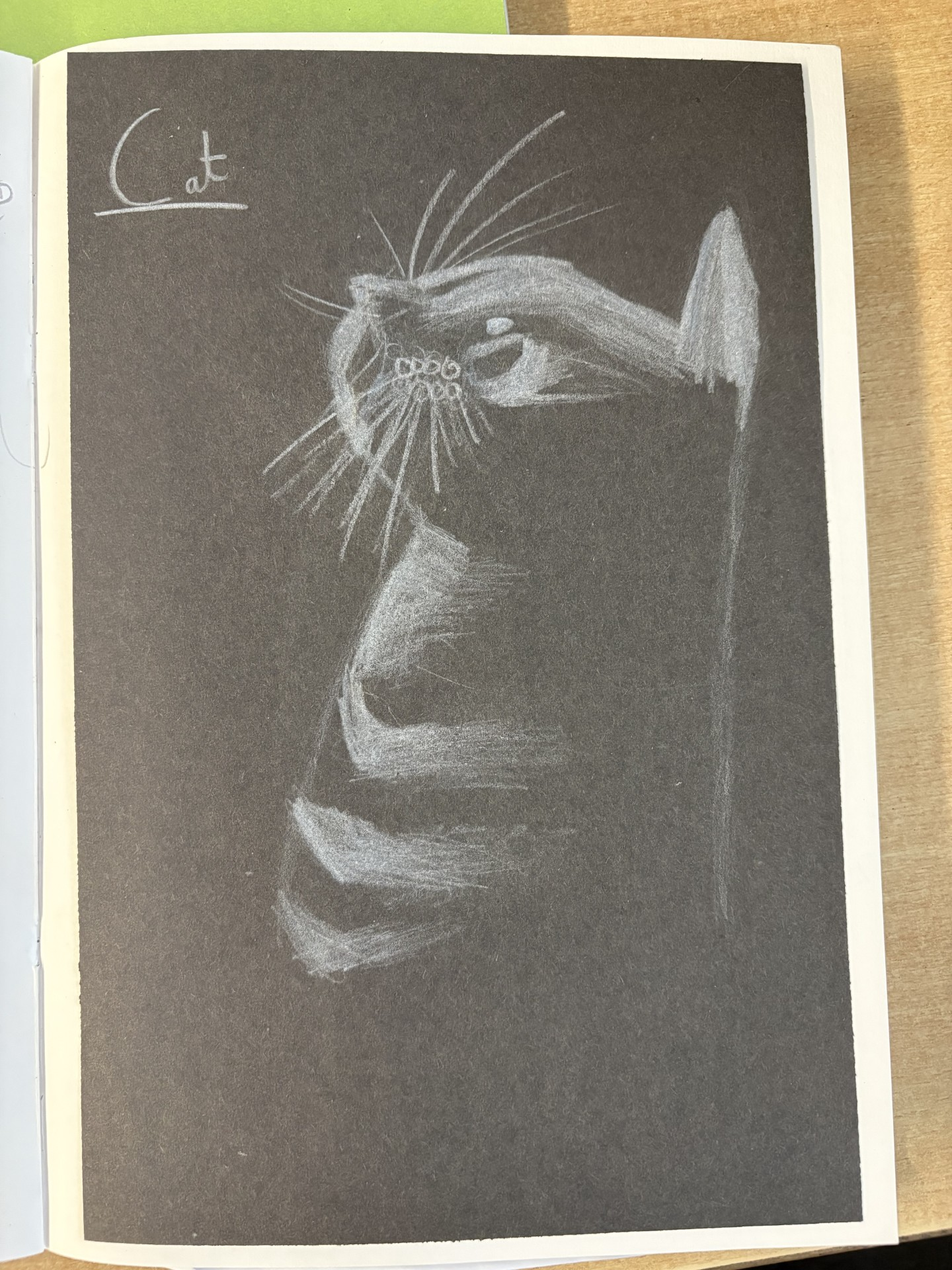
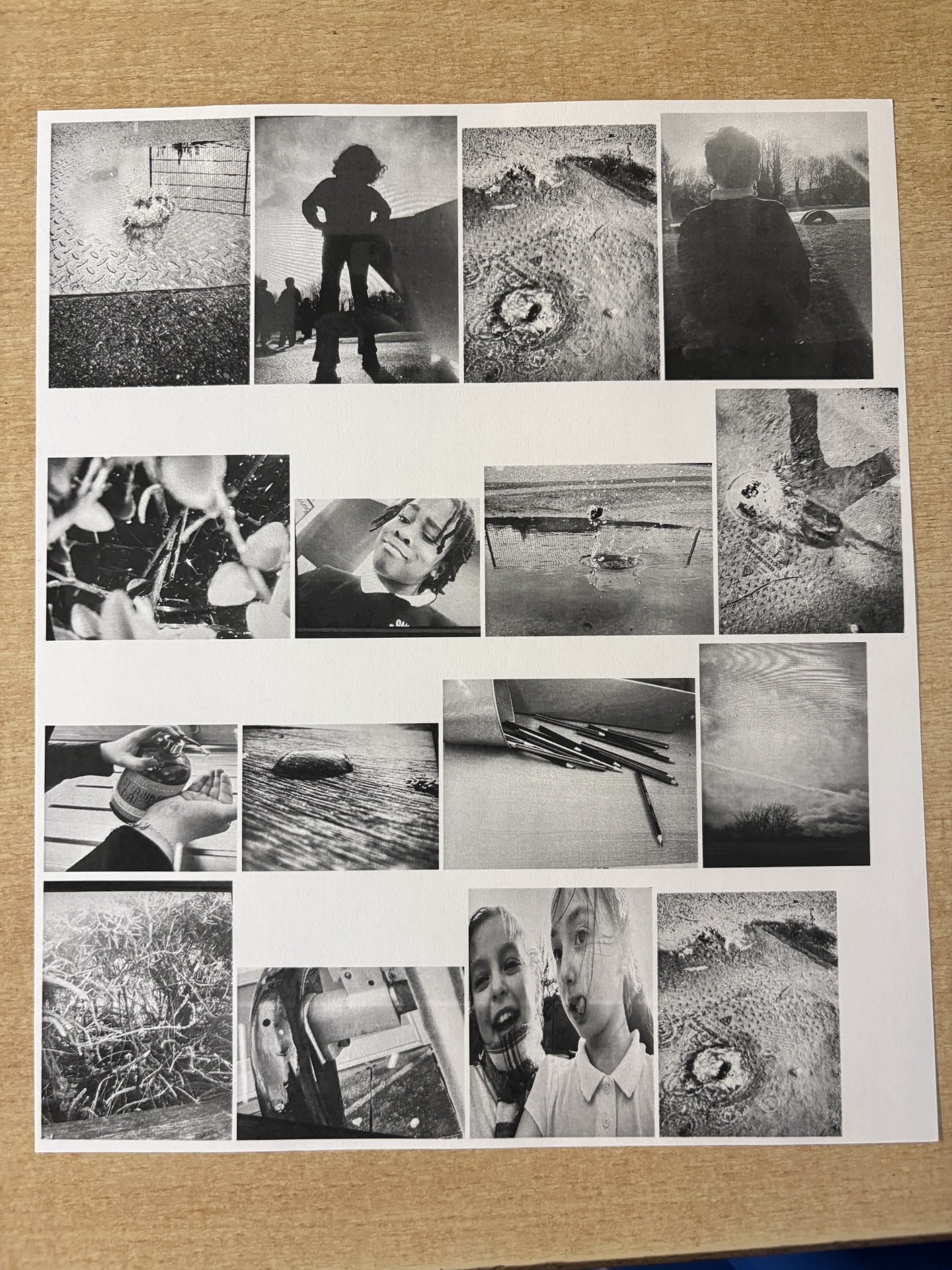
In Art, we are completing our unit on line, light and shadow. The children have been developing their shading techniques by using white pencil on black card to create striking contrast effects. They carefully used line to draw a cat and then applied shading techniques to show light and shadow. The results have been incredibly effective and demonstrate great attention to detail. We also explored the use of line, light and shadow within photography. The children spent time producing their own images using the Ipads focusing on black and white imagery and how to make them effective.
In Geography, the children have been applying their knowledge of adaptation in the rainforest. They created their own imaginative plant or animal species and produced a detailed fact file explaining:
-
Which rainforest it could survive in
-
Where that rainforest is located
-
What adaptations it has
-
How those adaptations support its survival
The children were given creative freedom in how they presented their fact files, resulting in some wonderfully engaging and visually appealing work. It has been fantastic to see their creativity combined with secure geographical understanding.
Update - Friday 13th February 2026
Geography:
In Geography this week, Year 5 have been building on their understanding of adaptation by focusing on plants that live in the rainforest. The children explored how different plants are specially adapted to survive in this challenging environment, where there is heavy rainfall, high temperatures and strong competition for sunlight. This learning linked closely to our previous work on animal adaptations and helped the children make connections between living things and their habitats.
The children first investigated the different layers of the rainforest – the emergent layer, canopy, understory and forest floor. They learned that each layer has different conditions, such as levels of light and moisture, and that plants have adapted in unique ways depending on where they grow. For example, plants in the canopy compete for sunlight, while those on the forest floor must survive with very little light reaching them. Pupils discussed how leaves, roots and stems change shape or size to help plants survive in these environments.
We then looked at a range of case studies of real rainforest plants. These included lianas (long climbing vines that use tall trees for support to reach sunlight), trees with buttress roots (large, wide roots that help support tall trees in shallow soil), and pitcher plants (which trap insects to gain extra nutrients in poor soil). The children explored how each of these plants is adapted to its surroundings and why these adaptations are important for survival.
To apply their learning, the children designed their own imaginary rainforest plant. They used their knowledge of rainforest layers and real plant adaptations to create a plant suited to life in this environment. Each child carefully labelled the key adapted features of their plant and wrote explanations describing how each adaptation helps the plant to survive. For example, some plants had wide leaves to capture more sunlight, dripping tips to allow rainwater to run off easily, or strong roots to anchor them in wet soil.
This creative task helped the children to deepen their understanding of adaptation by encouraging them to think scientifically and explain their ideas clearly. They showed excellent imagination and a growing ability to use geographical and scientific vocabulary when describing their designs. Overall, the children have demonstrated a strong understanding of how plants adapt to suit their environment and how living things depend on their habitats to survive.


English:
In English, the children have been developing their writing skills by focusing on how to improve sentences so that they are more cohesive, fluid and engaging for the reader. They have been taking part in regular “sentence surgery” activities, where they carefully edit and improve sentences by making thoughtful changes to structure, vocabulary and detail.
As part of their preparation for their final writing outcome, the children worked on editing and improving an extract from a diary entry. This task encouraged them to think carefully about how writing can be refined and developed rather than simply written once. The main focus was to enhance their use of figurative language, expanded noun phrases and ambitious vocabulary, while also improving the overall flow and clarity of their writing.
The children explored how figurative language can be used to create vivid imagery and convey emotion more effectively. They practised adding expanded noun phrases to give the reader clearer and more detailed descriptions, and they considered how carefully chosen vocabulary can make writing more precise and interesting. A key part of this work was ensuring that sentences linked together smoothly, helping their writing to feel more cohesive and enjoyable to read.
Through these activities, the children have gained a greater understanding of how writers edit and improve their work. They have shown growing confidence in identifying where sentences can be developed and how small changes can make a big difference to the overall quality of their writing. The children have worked hard to improve their sentence structure and have demonstrated a positive attitude towards editing and refining their work. This will support them greatly as they move towards producing their final diary entry and future pieces of extended writing.


Update - Friday 6th February 2026
In Geography this week, Year 5 began by exploring what the term adaptation means. The children learned that adaptations are special features or behaviours that help animals survive in their habitats. We discussed how adaptations develop over time through the process of natural selection, and how animals best suited to their environment are more likely to survive and reproduce. This helped the children to make important links between environment, survival, and change over time.
Next, the children explored a range of animals living in different biomes, such as deserts, polar regions, grasslands and oceans. They investigated how animals in these contrasting environments have developed specific adaptations to help them cope with challenges such as extreme temperatures, limited food and water, or the need to avoid predators. This allowed the children to compare habitats and recognise that animals’ features are closely linked to where they live.
We then moved our learning towards the rainforest and studied this biome in more detail. The children learned about the key characteristics of rainforests, including the hot, wet climate and dense vegetation. They explored a variety of rainforest animals and examined how these animals are adapted to life in this unique environment. Through case studies, the children investigated animals such as jaguars, piranhas and poisonous dart frogs, identifying features such as camouflage, strong limbs for climbing, sharp teeth for hunting, and specialised beaks for feeding. They also considered how these adaptations help animals to find food, avoid danger and move through their habitat effectively.
To bring their learning together, the children took part in a creative design project where they invented their own rainforest animal. They carefully considered the conditions of the rainforest and designed an animal with features that would help it survive there. The children then explained their choices, describing how each adaptation supported their animal’s survival. This activity encouraged them to apply their scientific and geographical knowledge, as well as develop their reasoning and explanation skills.


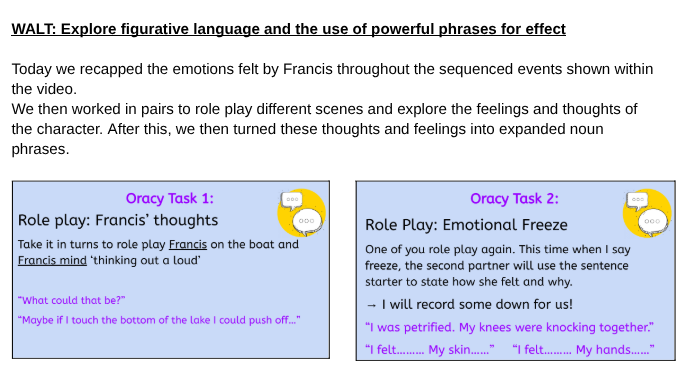
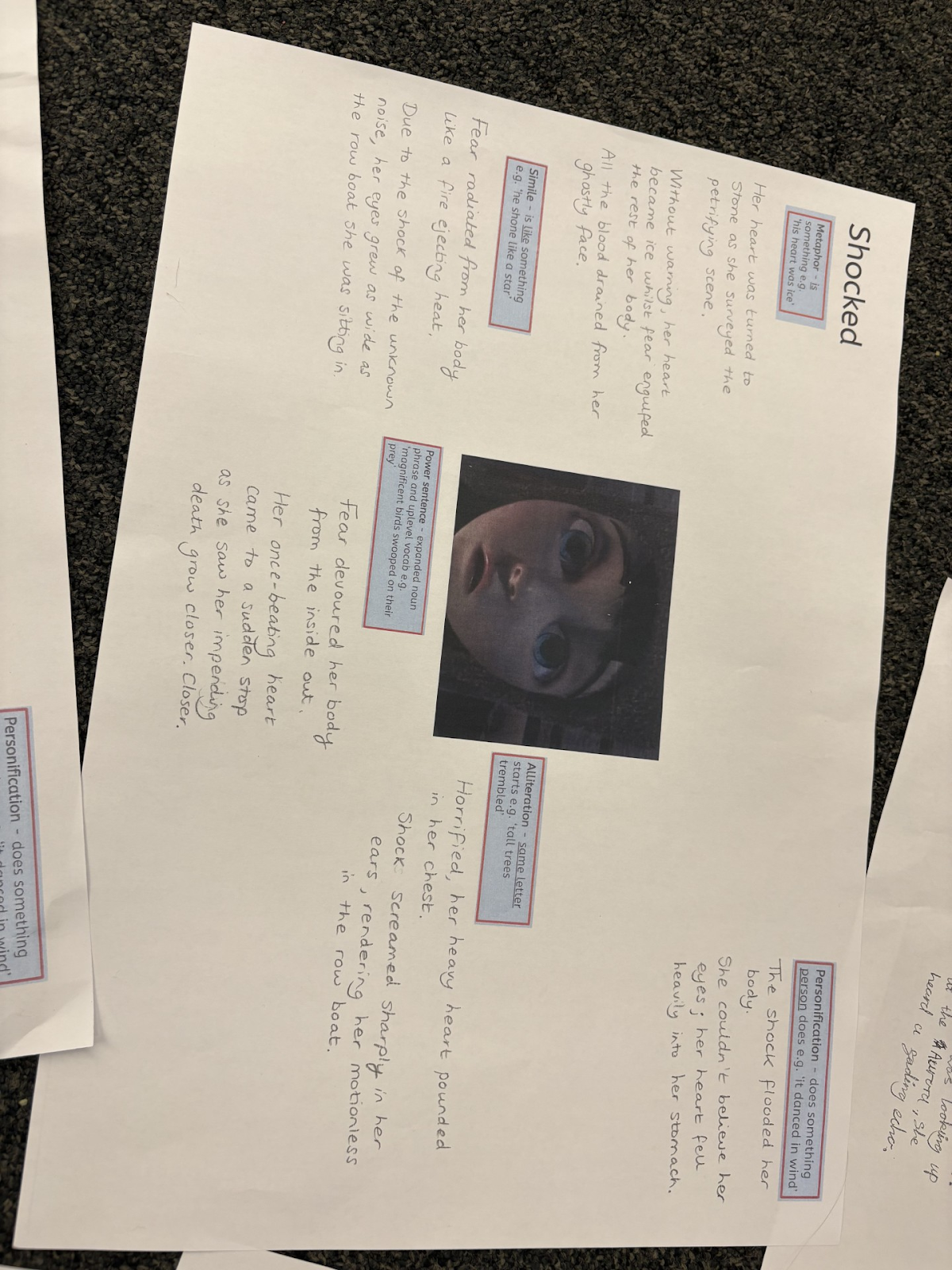
In English this week, Year 5 have begun an exciting new unit of work based on a short animated film called Francis. The children have been thoroughly engaged with this story and have shown great enthusiasm, particularly when discussing the mysterious events and the main character’s thoughts and feelings. The film follows a young girl named Francis who goes out alone in a rowing boat on a lake at night while camping. At first, she is calm and relaxed, spending time journaling by the light of her lantern. However, the mood quickly changes when she hears a sudden knocking sound coming from the boat. As the knocking continues and grows louder, Francis becomes increasingly anxious. In her panic, she accidentally drops her lantern into the water and finds she is unable to move the boat when she rows. The story ends with Francis alone on the lake, unsure of what is making the knocking noise. The children were immediately captivated by the mystery of the story and were very eager to predict what the knocking sound might be. This led to lively class discussions, with pupils offering a range of imaginative and thoughtful ideas. They demonstrated excellent inference skills by using clues from the video, such as facial expressions, sound effects and setting, to explain their predictions. We have focused particularly on understanding the character of Francis and how her emotions change throughout the story. The children have explored how her feelings shift from calm and peaceful to nervous, frightened and confused. They have practised identifying evidence from the film to support their ideas, showing strong character inference and a growing awareness of how authors and filmmakers suggest emotions rather than stating them directly. The main outcome of this unit will be for the children to write diary entries in the role of Francis. They will describe the key events of the night and, most importantly, explore her thoughts and feelings at different moments in the story. The children will be encouraged to use descriptive language, first-person perspective and emotive vocabulary to help the reader understand Francis’s experience. They will also focus on structuring their writing clearly and using detail to build tension and atmosphere. The children have shown fantastic engagement with this unit so far and have really enjoyed exploring the mystery of the knocking noise. Their predictions have been imaginative, and their discussions have demonstrated a strong understanding of character and mood. We are very impressed with their enthusiasm and the quality of their ideas, and we look forward to seeing their diary writing as they bring Francis’s story to life through their own words:
Update – Thursday 29th January 2026
Geography:
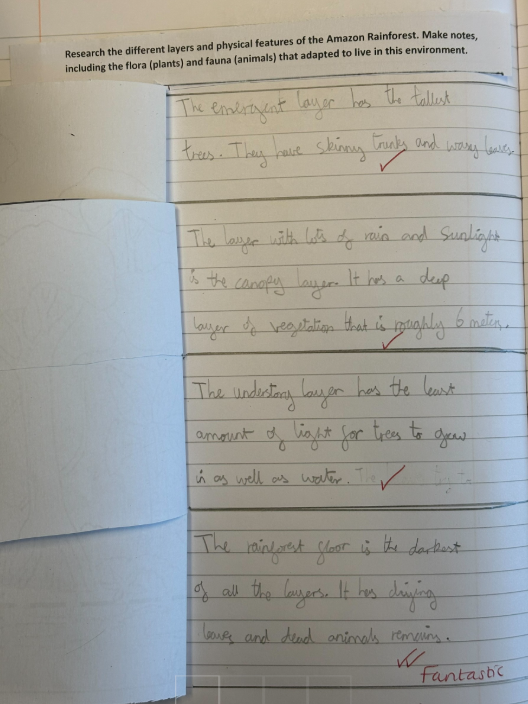
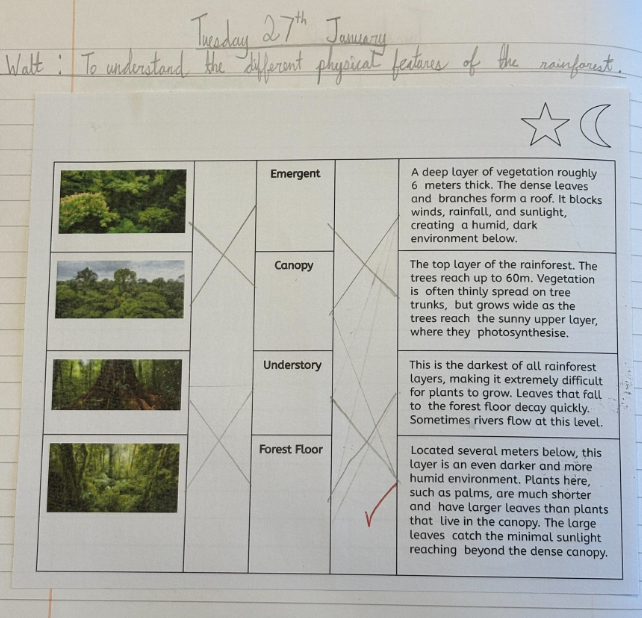
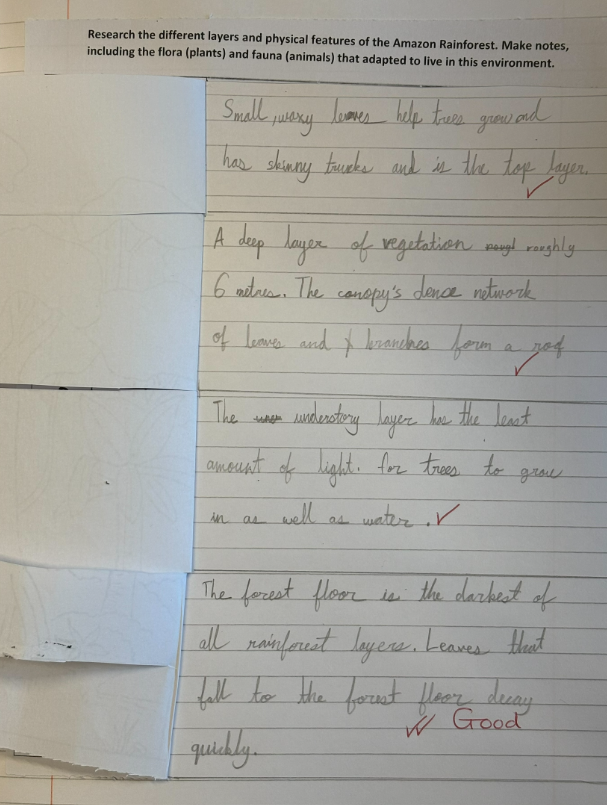
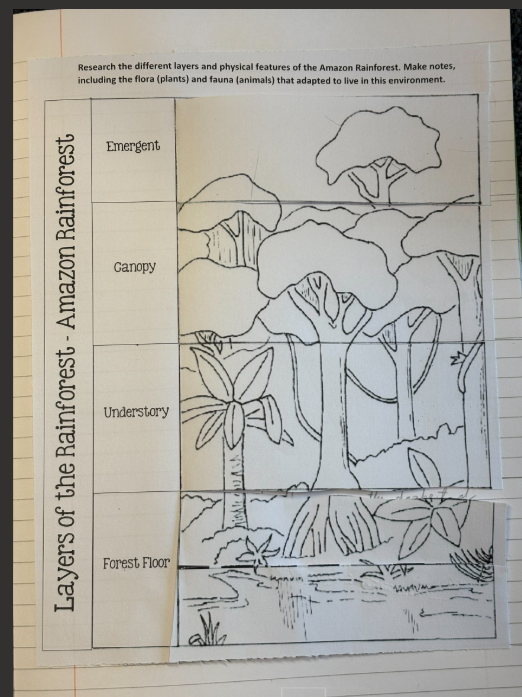
This week, the children built on their learning about the location of rainforests around the world by exploring their physical features in more detail. We focused on the different layers of the rainforest and investigated each one carefully, from the forest floor up to the emergent layer.
To apply their knowledge, the children completed a challenge activity where they wrote about each layer underneath labelled strips, explaining the key features of each section of the rainforest. They showed great understanding and enthusiasm while demonstrating what they had learnt about this unique and important ecosystem.
In English, the children are now working on their final pieces of writing based on The Explorer. They are rewriting the first four chapters, with a strong focus on using speech to show characterisation and bring the characters to life.
The children are applying their learning from our sentence surgery lessons to ensure their sentences are well structured, varied and flow smoothly. They have been carefully manipulating sentence types to improve the impact of their writing. Alongside this, they are developing their editing skills and using vivid descriptions to help the reader clearly imagine each scene.
In Maths, the children have been learning how to multiply two-digit numbers by two-digit numbers using the column method. As this was a new and challenging concept, the children have shown great resilience and determination in their learning.
Some pupils have extended their understanding by tackling three-digit by two-digit multiplication and applying their skills to reasoning and problem-solving questions.
Next week, we will be moving on to division. We continue to use White Rose Maths to support our teaching and ensure a clear, structured approach to learning.
Update – Friday 23rd January 2026
Maths:
Year 5 has begun a new unit of learning focused on multiplication and division. Pupils have started by developing their understanding of 4-digit by 1-digit multiplication, using a range of written methods and representations to support accuracy and understanding. They are now progressing onto 2-digit by 2-digit multiplication, alongside application and reasoning tasks that require them to apply these skills in a variety of contexts.
Throughout this unit, pupils have demonstrated excellent perseverance, focus, and effort as they tackle increasingly challenging calculations. We have been very pleased with the positive attitudes shown towards learning and the progress being made as children continue to develop their confidence and fluency with these important mathematical procedures.
English:
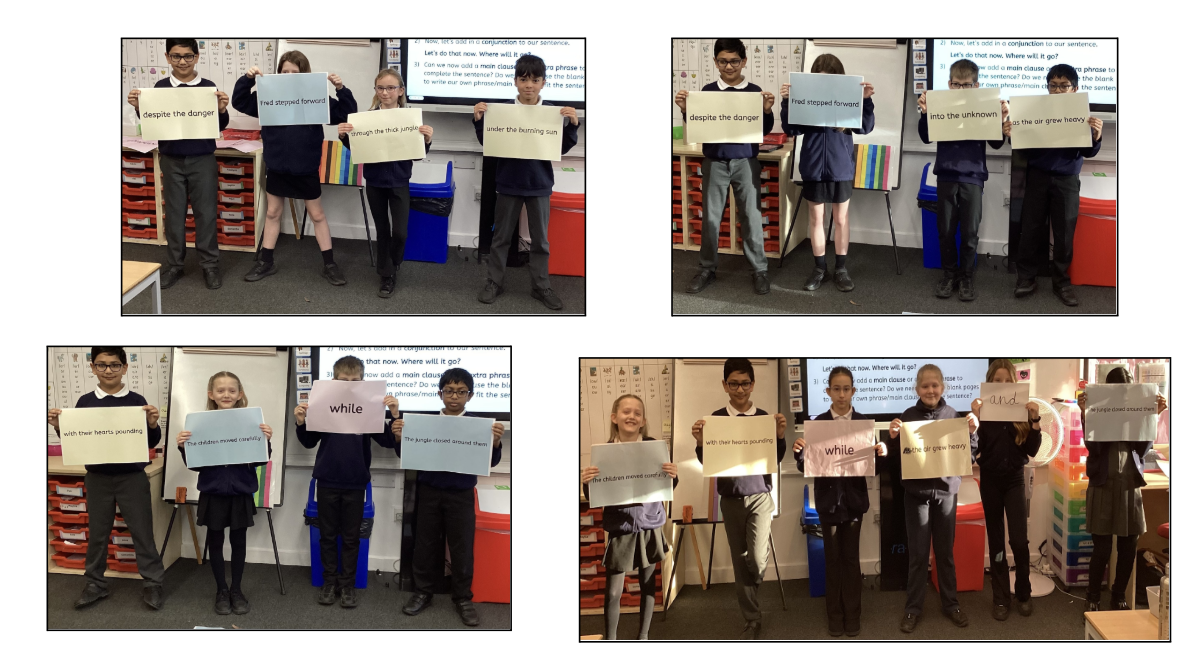
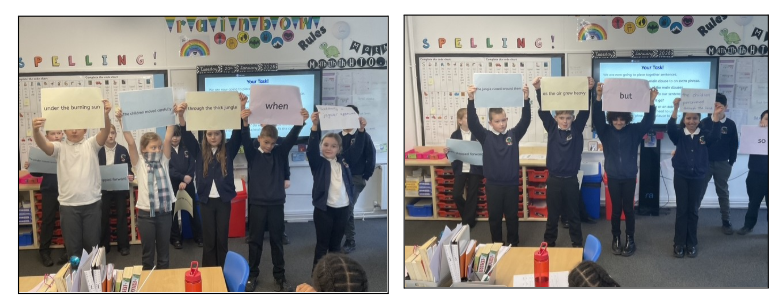
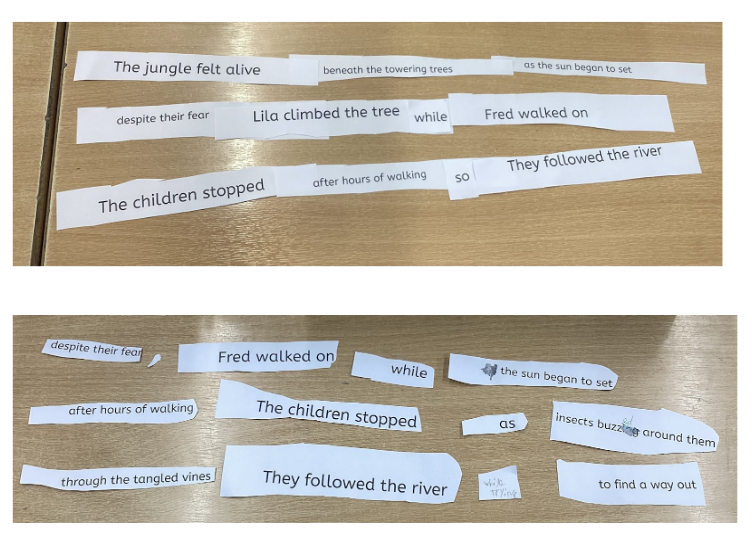
In English, the children have been continuing with The Explorer unit of work, with a strong focus on sentence structure. We have been busy performing sentence surgery! The children explored main clauses, phrases and conjunctions, learning how to piece together more complex sentences so they flow smoothly and are as effective as possible.
The children first worked together as a class, “operating” on a range of sentences and discussing how changes could improve clarity and impact. They then applied this learning in pairs, performing sentence surgery independently and writing their improved sentences into their books.
The results were fantastic. The children wrote amazing sentences and manipulated clauses very effectively. They also read their sentences aloud, listening carefully to how they sounded and discussing which versions worked best and why. A great demonstration of teamwork, thoughtful editing and growing confidence as writers.
Computing:
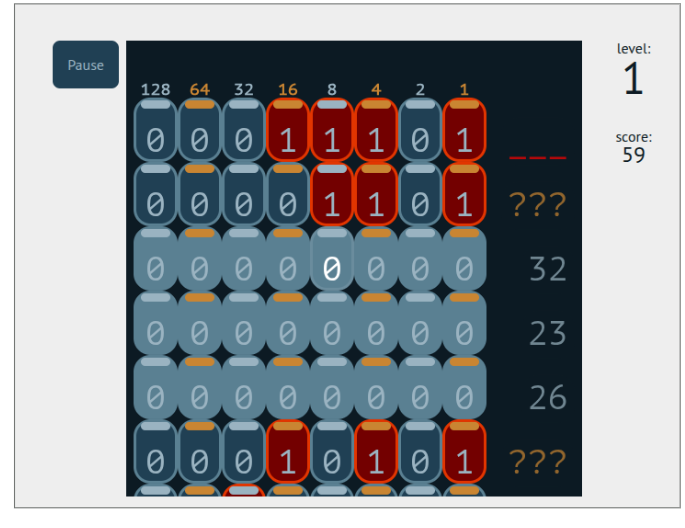
In Computing, the children have been exploring the Mars Rover using Kapow. They have been learning about binary code and how it is used to communicate instructions in computing.
Through engaging activities, the children discovered how binary code works and how computers interpret sequences of 0s and 1s to perform tasks. They applied this knowledge practically by programming the Mars Rover, seeing firsthand how precise instructions in code result in the rover carrying out specific actions.
We then used an online game to practice using binary code and apply our knowledge:
Update - Friday 16th January 2026
Geography:
This week, our Year 5 pupils have been exploring the world through their rainforest unit of work. They have learnt about climate zones, biomes and vegetation belts, and how these are all interconnected, with a particular focus on tropical rainforests. Using atlases, the children identified different global climate zones and located where rainforests are found, discussing the key characteristics of each zone and how climate influences vegetation and wildlife.
Alongside their geography skills, pupils developed strong oracy skills by sharing ideas, explaining their thinking and using subject-specific vocabulary with confidence. Through discussion and collaborative work, they were able to describe the features of different biomes and compare them, showing a growing understanding of how physical geography shapes our world.
English:
In English, Year 5 have been working on their class text, The Explorer by Katherine Rundell. The children explored the key characters, including Con, Fred and Lila, developing a deep understanding of their personalities, motivations and feelings. Through hot-seating activities, pupils stepped into the role of each character, responding to questions in character and explaining their thoughts and emotions in a range of imagined scenarios.
To further develop their understanding of dialogue, the children were given different characters and asked to take part in structured arguments with one another. This helped them explore how characters speak, react and express their viewpoints. Pupils learnt how effective dialogue can reveal a character’s personality and move a narrative forward. Next week, the children will write their own pieces of dialogue, applying everything they have learnt to create engaging and believable character interactions in their writing.
Art:
In Art, Year 5 have been exploring the theme of line, light and shadow. As part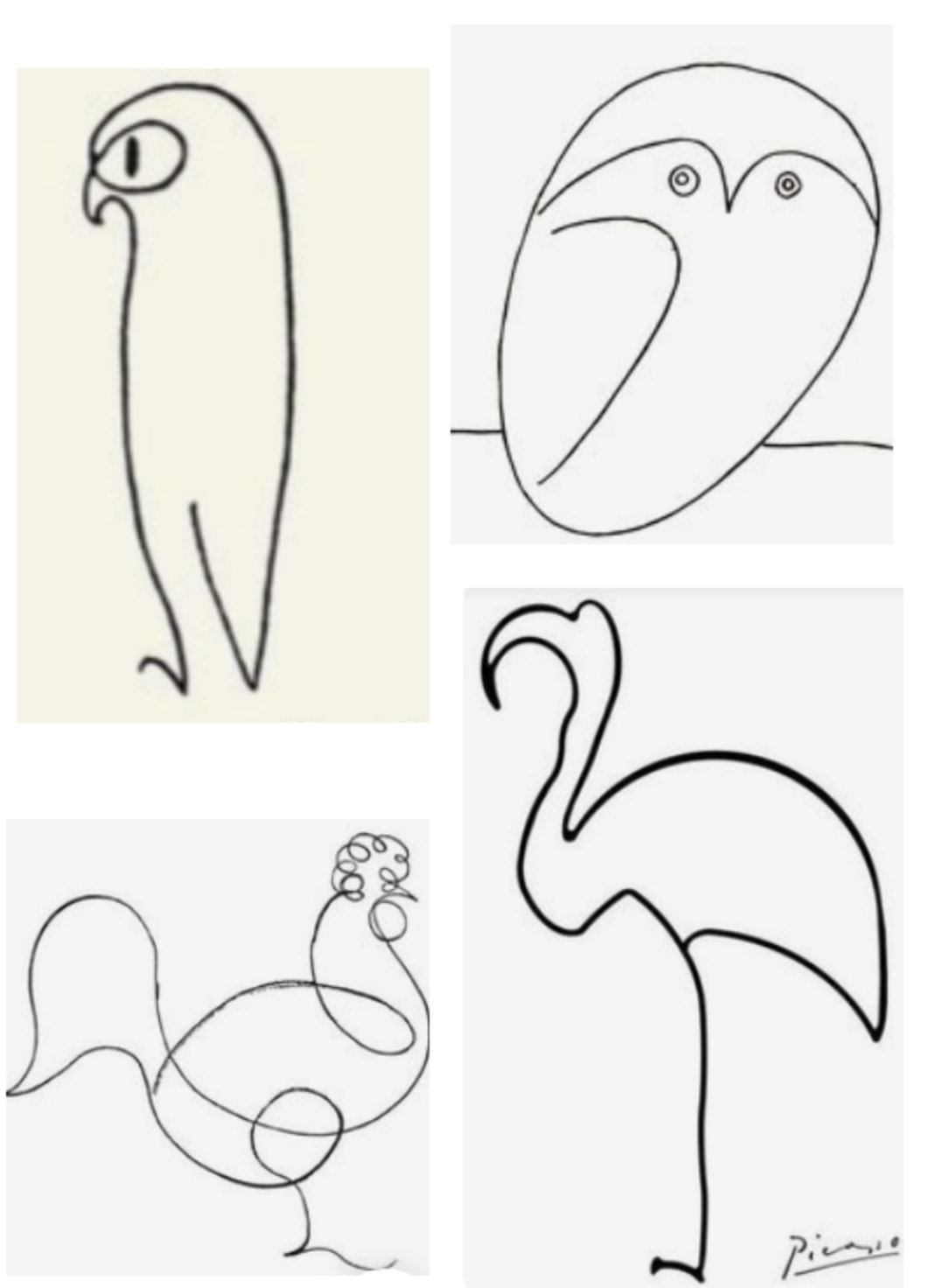 of this unit, the children learnt about the artist Pablo Picasso and studied examples of his line drawings, focusing on his use of a single, continuous line to create expressive artwork. Pupils discussed how simple lines can be used effectively to suggest form, movement and expression.
The children then practised this technique themselves, using one unbroken line to create their own drawings. With a range of examples to observe and replicate, they developed confidence in experimenting with line and refining their control. This work encouraged creativity, careful observation and perseverance, helping pupils to understand how artists can use simple techniques to achieve powerful visual effects.
Update - Friday 9th January 2026
English:
In English this term, Year 5 have begun exploring the adventure novel The Explorer by Katherine Rundell. To fully immerse the children in the world of the story, we began with an exciting, imaginative experience: a shared “plane journey.” The children imagined boarding a small aircraft, flying high above South America and eventually crash-landing in the heart of the rainforest, mirroring the opening events of the book. This immersive approach helped the children to engage emotionally and creatively with the text from the very start.
To deepen their understanding of the setting, we used a range of visual stimuli, including video clips and photographs of rainforests. The children explored what they might see, hear and feel in this unfamiliar and dramatic environment. Using this inspiration, they worked together to develop rich vocabulary and descriptive ideas before writing a detailed setting description of the crashed plane surrounded by the rainforest.
As part of this unit, we have also been developing key grammar skills. The children have been learning about prepositions and adverbial phrases and exploring how these can be used effectively to add clarity, detail and atmosphere to their writing. They practised identifying and using these features to describe position, movement and time, helping their writing to become more precise and engaging for the reader.
Next, the children will be completing an “apprentice piece” of writing. In this task, they will independently apply everything they have learnt so far by writing their own setting descriptions inspired by the rainforest scene. This will allow them to demonstrate their understanding of the text, use of descriptive language, and confident application of prepositions and adverbial phrases.
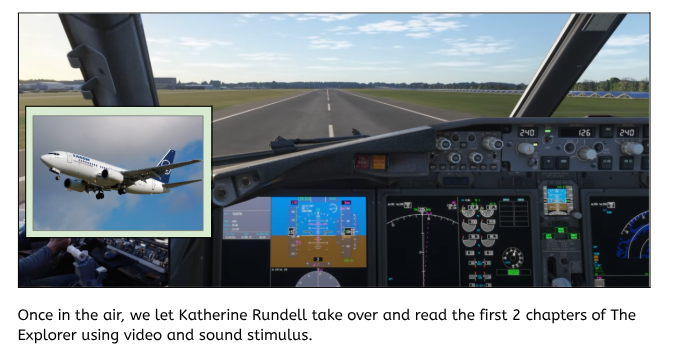
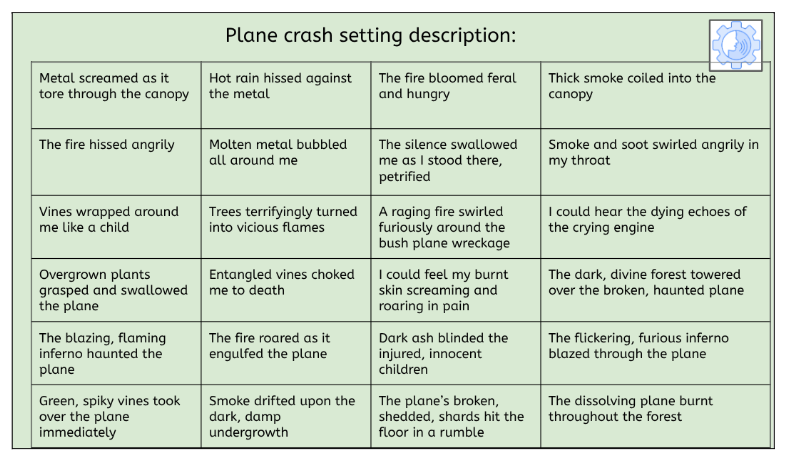
Geography:
In Geography this term, Year 5 have begun a unit of work focused on Living Rainforests. The children have been learning about the importance of rainforests and why they are such valuable and unique environments. To introduce the topic, the children watched a David Attenborough documentary, which helped them to understand the incredible diversity of life found within rainforest habitats. They then completed a quiz to consolidate their learning, focusing on the wide range of animals that live in the rainforest and the roles they play within this ecosystem.
To further deepen their understanding, the children had the opportunity to use virtual reality (VR) headsets to explore rainforests in an interactive way. This immersive experience allowed them to see the rainforest from different perspectives and helped them to imagine what it might feel like to be there, surrounded by dense vegetation, towering trees and abundant wildlife. This hands-on approach supported the children in developing a more meaningful understanding of rainforest environments, which will underpin their learning as the unit progresses.
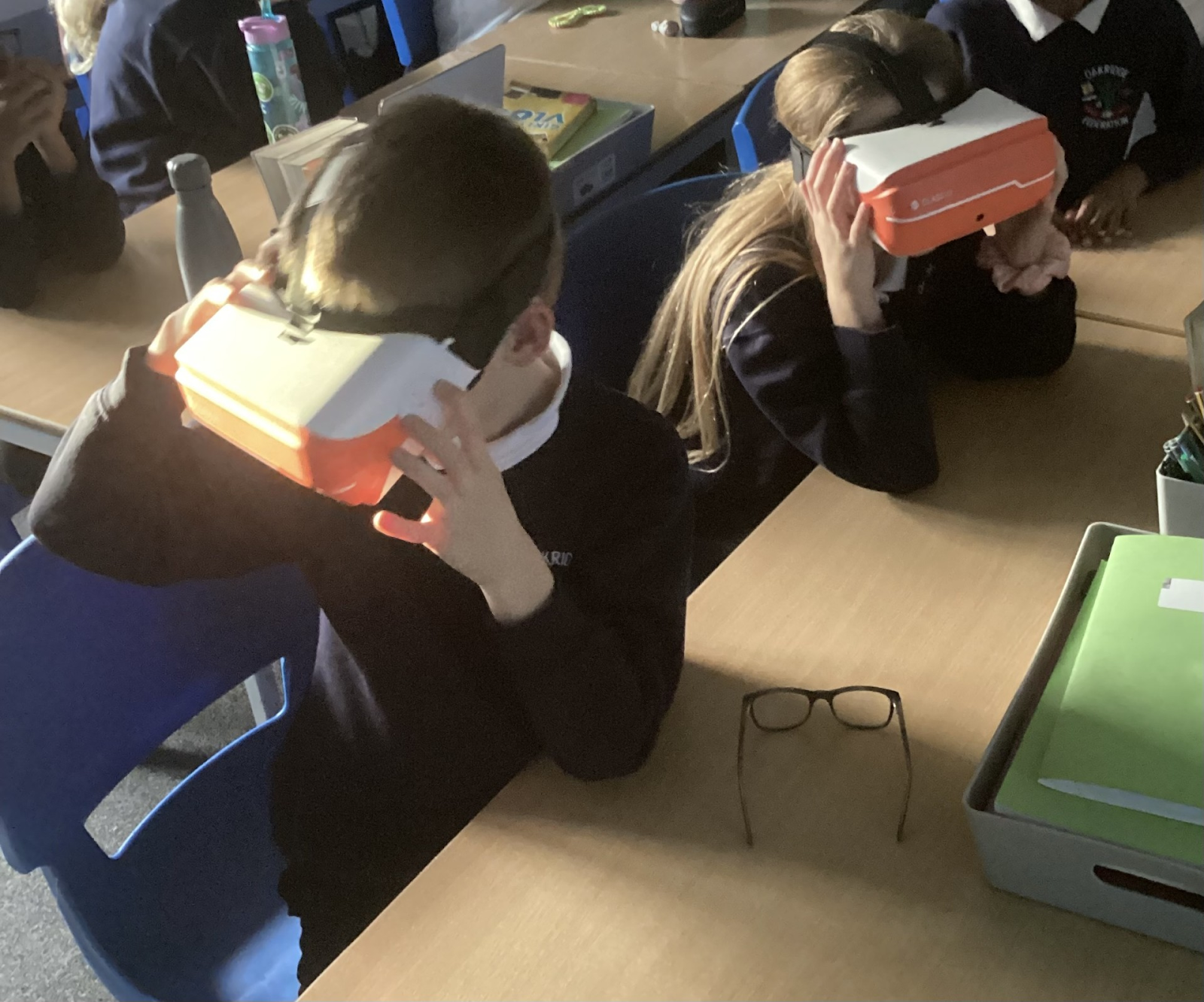
Update – Friday 19th December 2025
DT:
This week, we presented our final pneumatic machines to the children in year 4. We evaluated our products and completed a review form for each of our final pieces:
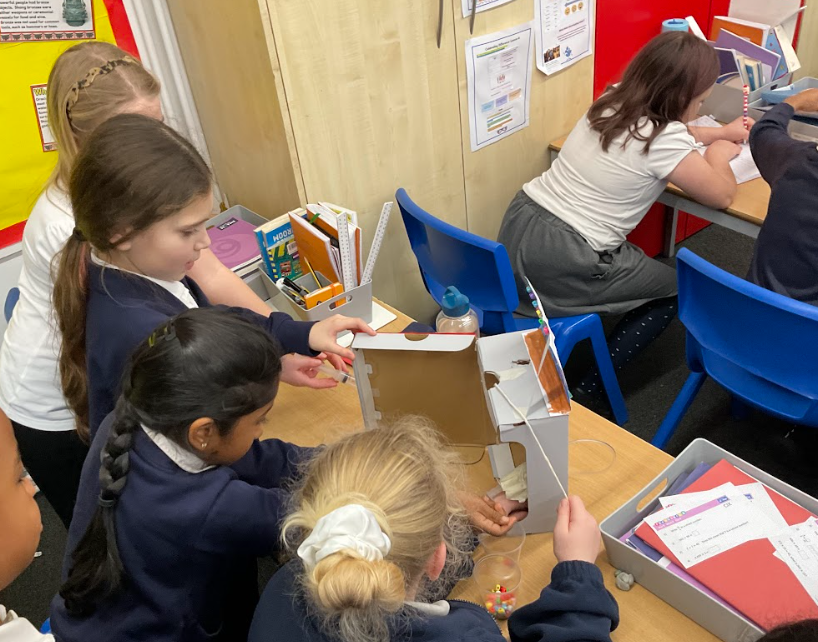
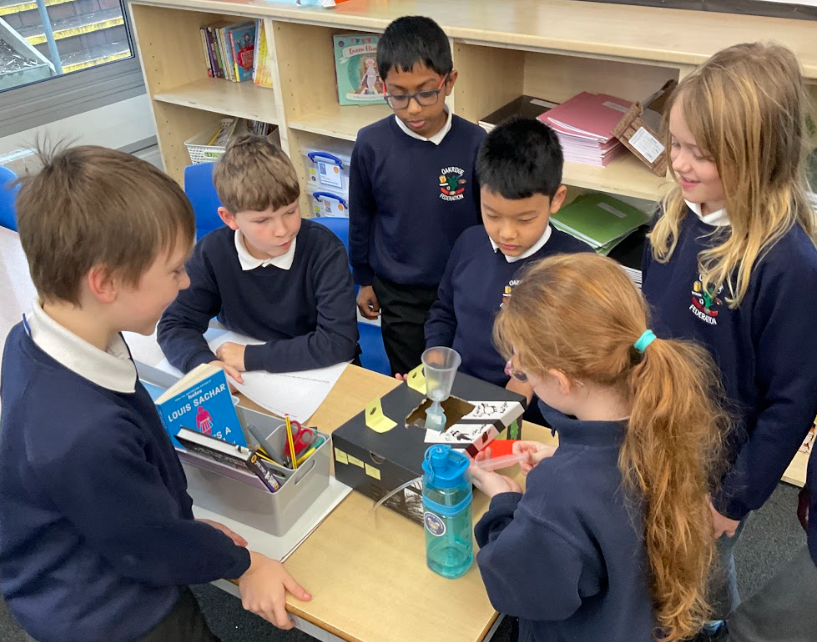
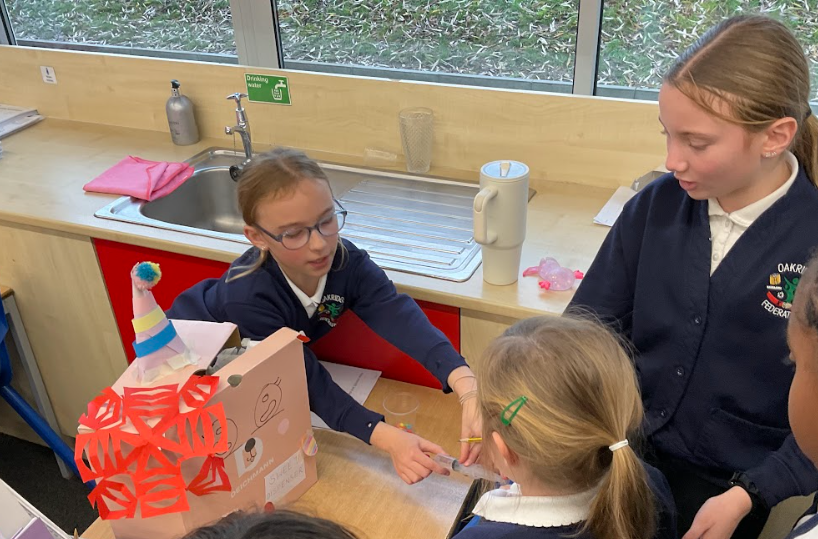
English:
The children have been enthusiastically practising their performance poetry as part of their preparations for the upcoming Carol Concert. They are currently working on their The Grinch poem, focusing on clear voices, expression, and confident stage presence.
Throughout rehearsals, the children have shown fantastic commitment and energy, bringing the poem to life with character and emotion. They have worked hard on timing, actions, and projection, and their progress has been impressive.
We are incredibly proud of how well they are doing and look forward to sharing their performance with families at the Carol Concert. It promises to be a fun and festive highlight of the event!
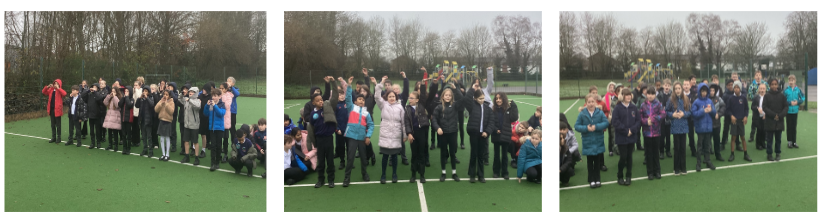
Update - Friday 12th December 2025
This week we have started our preparation for the carol concert, and our unit 'Christmas Performance Poetry' has commenced! We have explored the key techniques needed to perform poetry effectively and have been exploring these skills in detail. Our focus has been on the use of our voices to create expression and tone. The children are now learning their part for the Year 5 performance and will be learning some actions to go alongside their vocals.
This week in DT, the children have worked in groups to produce their final pneumatic machine. They have worked hard to ensure the mechanism works effectively and will be presenting their machines to the Year 4 children next week. It has been brilliant to see how the children's social skills have developed during their group work, and we are proud of the children's knowledge of pneumatics.
We have now concluded our Shang Dynasty unit, and the children wrote their final pieces all about the Shang. They created Horrible Histories-style writing about different aspects of life, including oracle bones, warfare and the hierarchy within the Shang Dynasty.
Update – Friday 5th December 2025
To complete our Shang Dynasty unit, we explore the Bronze Age from across the world. We learnt that other countries also had Bronze Age eras at the same time as Ancient China and explored them in more detail. Working in pairs, we each chose a random envelope that contained information about a Bronze Age from a specific location. We used Google Earth to explore the location and used resources to learn more about what their Bronze Age looked liked. After this, we presented our findings to the class and compared and contrasted each Bronze Age with the Shang Dynasty:
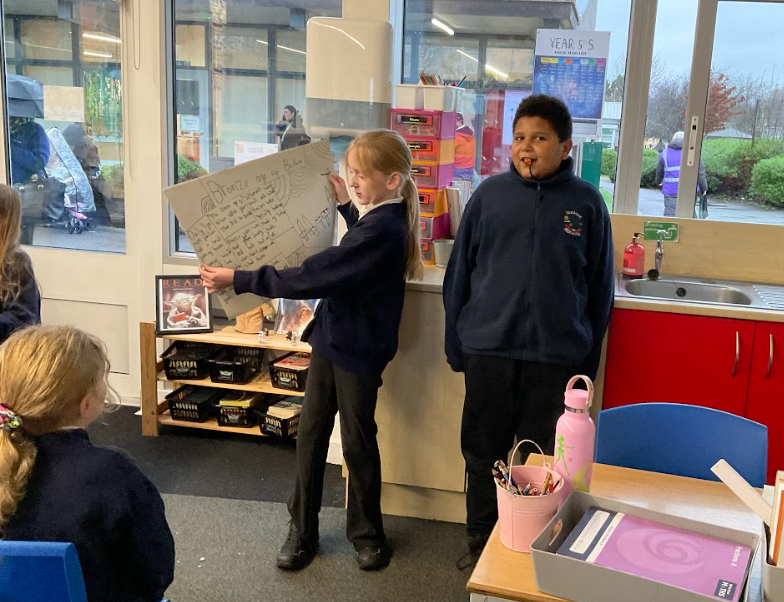
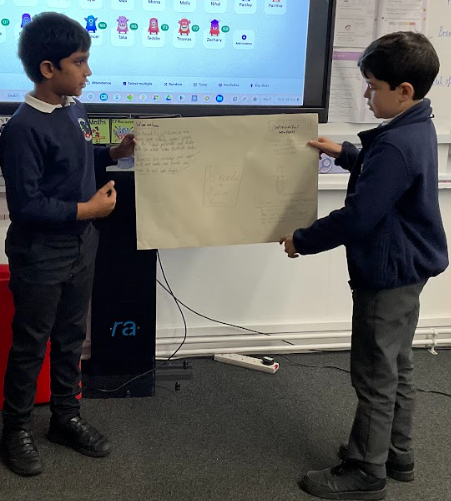
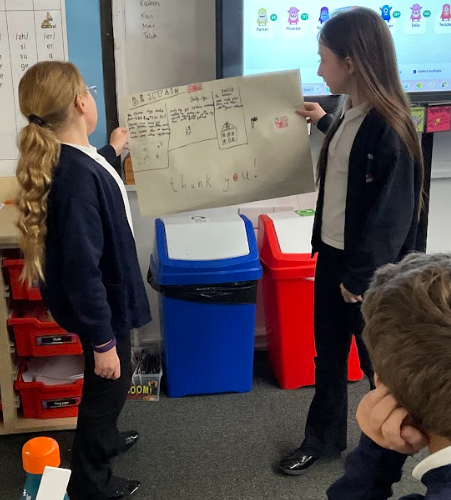
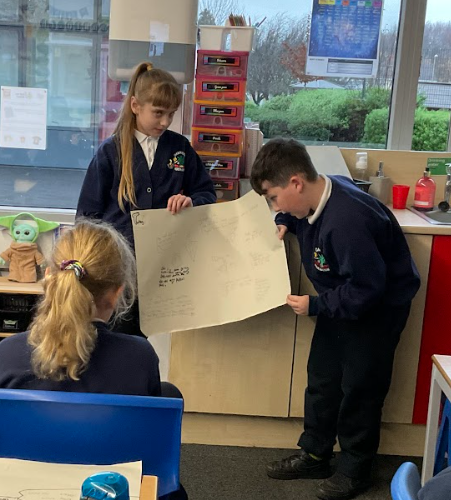
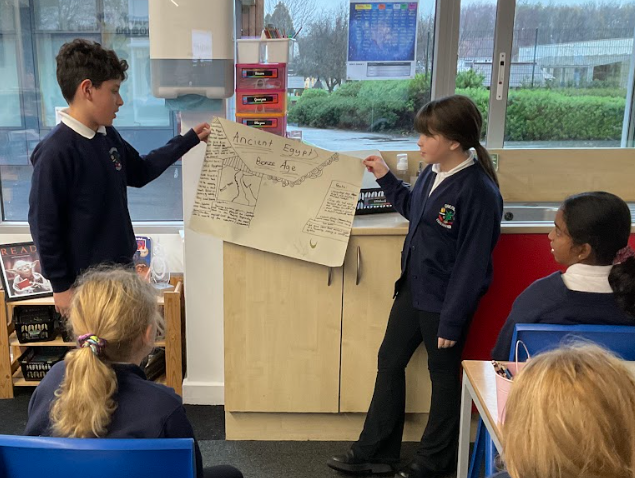
We had an exciting set of visitors this week for the Science Dome! We were able to go into the Dome and learn more about Earth and Space through an exciting light show! It was a brilliant experience and so immersive for the children. We learnt a lot from the visitors, and the children really enjoyed their session:
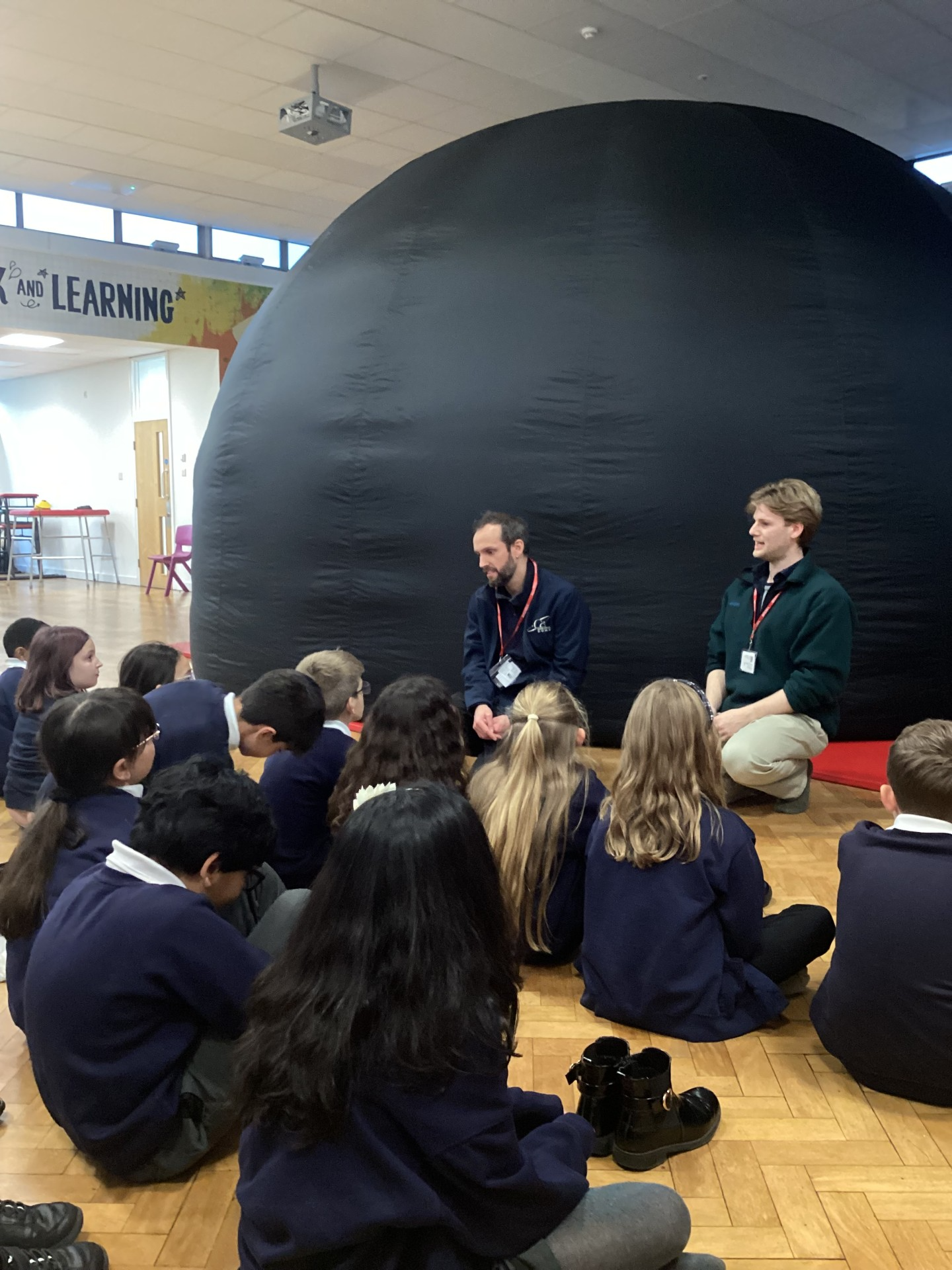
Update - Friday 28th November 2025
Over the last couple of weeks, the children have planned, designed and created their pneumatic machines in groups! We have spent some time working on the skills required to work in groups, as it involves a lot of different social skills, communication and teamwork. Having designed their pneumatic machines, the children then used a range of recycled materials from home to create them. It has been a big learning curve for the children, and they have thoroughly enjoyed creating their final pieces:
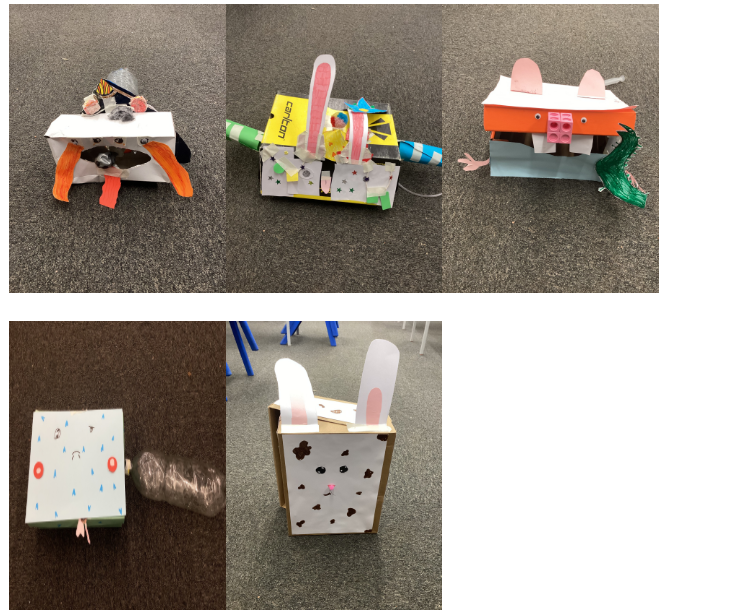
In English, we have explored the use of parentheses within sentences. We learnt about brackets, dashes, and commas, how they can be applied, and what their effects on the sentence are.
We had a range of sentences with parentheses and had to remove them to explore what happens when they are removed.
We learnt that the sentences still make sense as the parentheses are for extra information, and then spent some time applying our new knowledge to have a go at using parentheses accurately within sentences. Next week, we will be writing our final pieces for our Horrible Histories unit of work, and we will try to see if we can include parentheses within our writing.
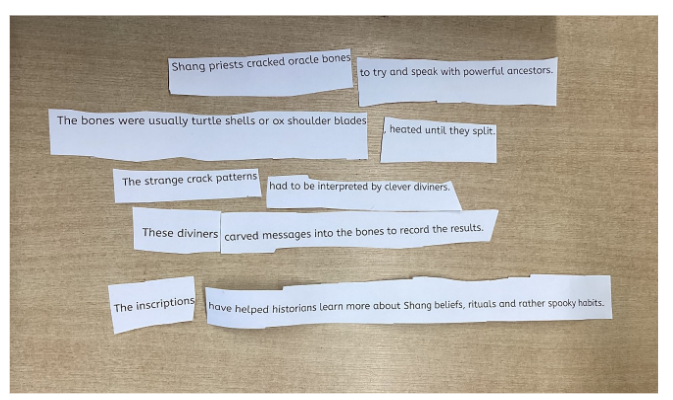
Update – Friday 21st November 2025
In Science lessons, we have continued learning about space, and the children created a model of the Earth, the Moon, and the Sun to understand the relationships between their movements better.
We then used these models to complete the following tasks:
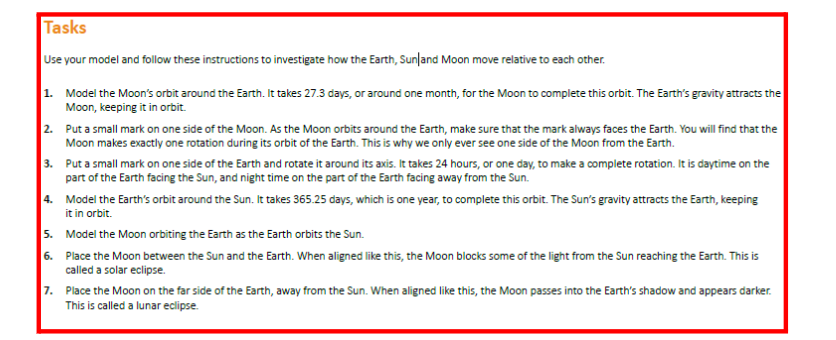
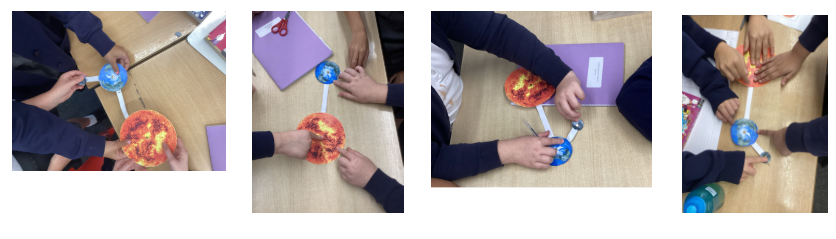
In the next session, we conducted an investigation to replicate Aristotle’s observations of ships disappearing over the horizon and determined that the Earth is spherical. We did one investigation where we imagined that the Earth was flat, and used a cube to represent a ship travelling over the horizon (our table tops) to investigate what we would observe. In the other investigation, we used a cube stuck onto a ball to also represent a ship travelling over the horizon. We concluded that this is what happens on planet Earth, as it is a sphere. We discussed that this proves Aristotle’s theory.
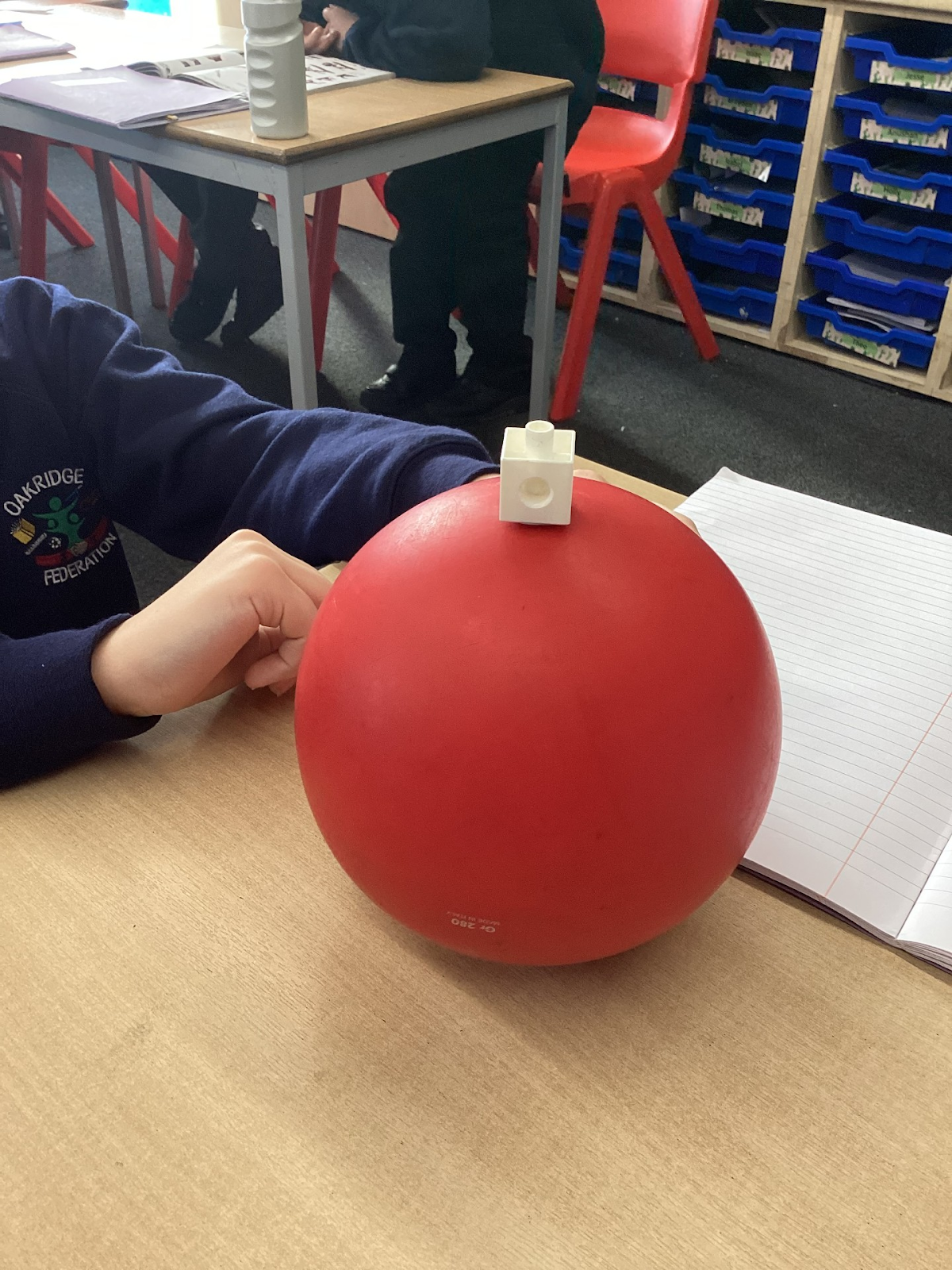
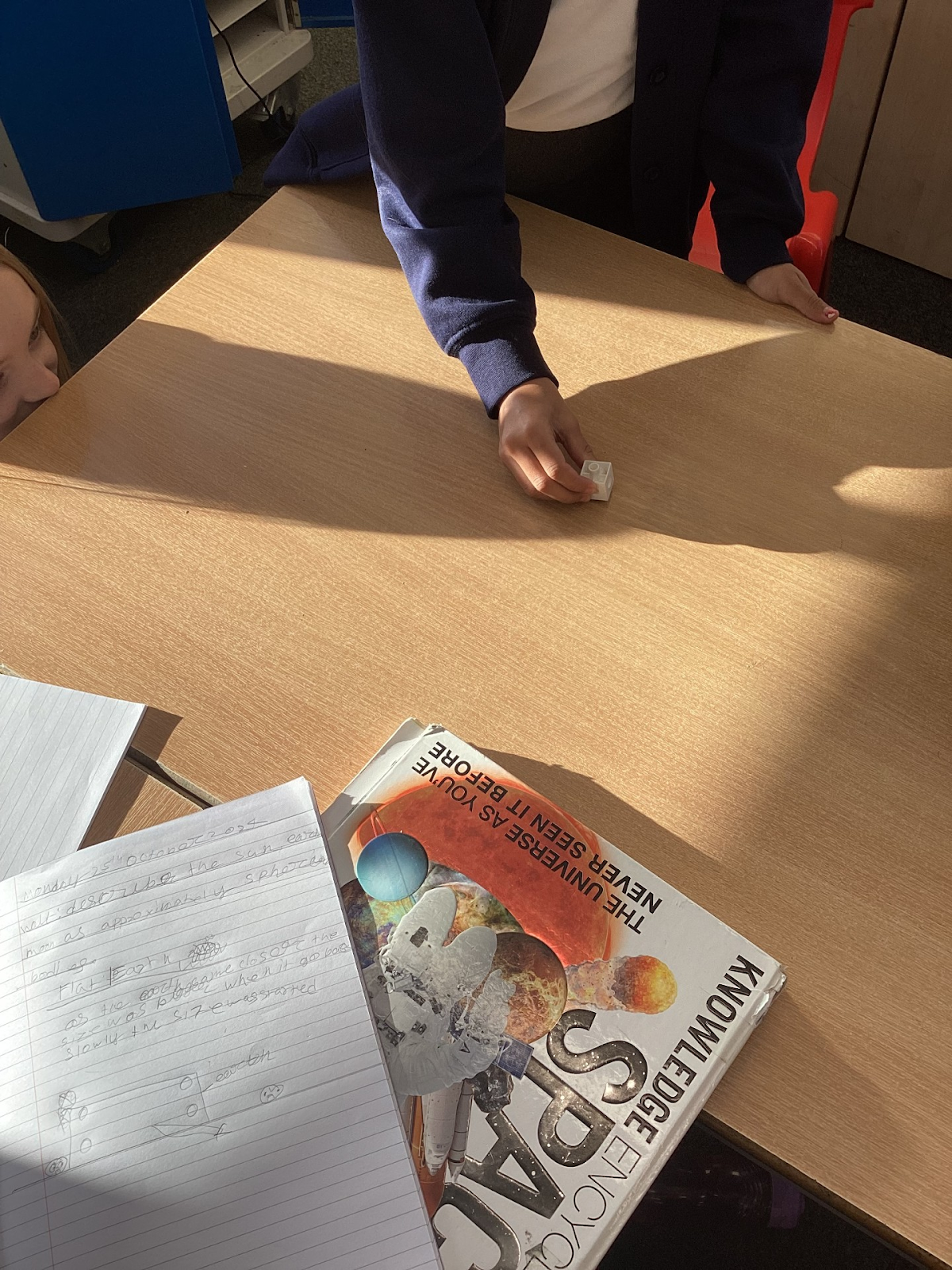
Over the last week, we have explored two key topics within our PSHE sessions: bullying and racism. The children have shown such maturity, and some fantastic discussions have taken place in classrooms. We have explored differences between people and why these differences make us unique and individual. The children have celebrated these differences and shown a good understanding of the importance of being different and being your true self.
We have explored what bullying and racism actually are, the impact they have on individuals and the importance of speaking up and responding in the correct way. It was very interesting to listen to the children's contributions, stories and their opinions within the lessons.
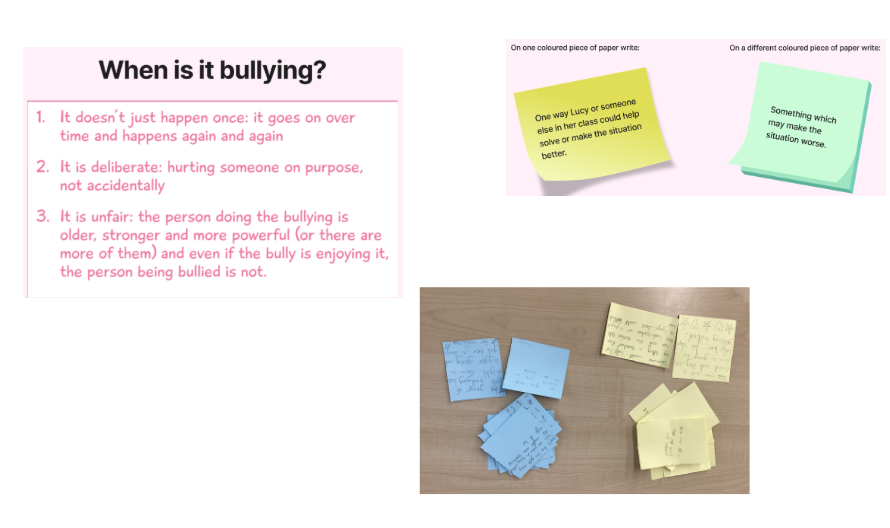
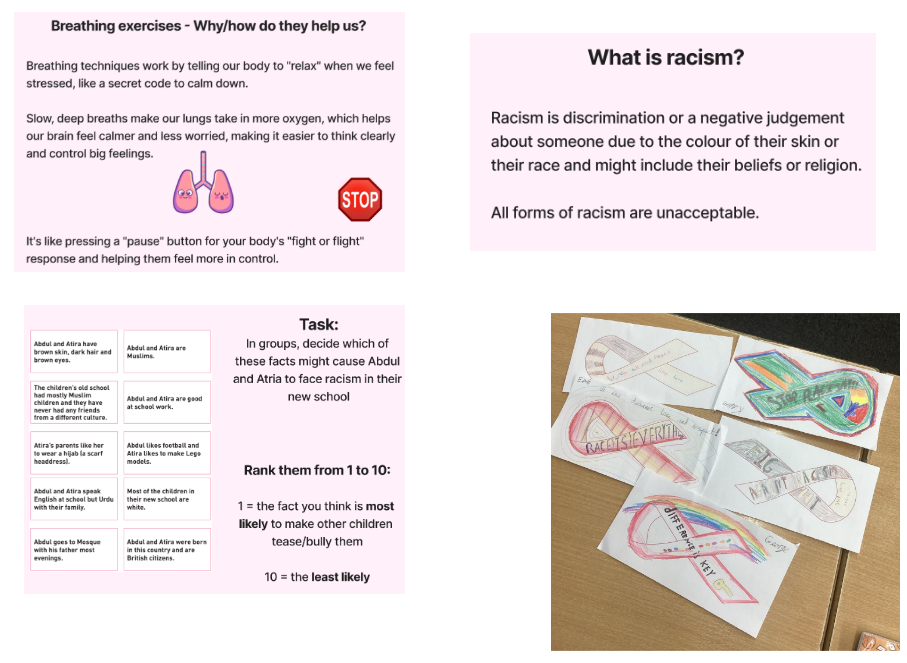
Update – Friday 14th November 2025
This week, we have continued with our Horrible Histories unit of work. Having explored non-chronological reports and Horrible Histories examples, we compared and contrasted the two so that we understood the layout and language features required. To show our learning, we completed a Venn diagram to show the similarities and differences between the two types of text:
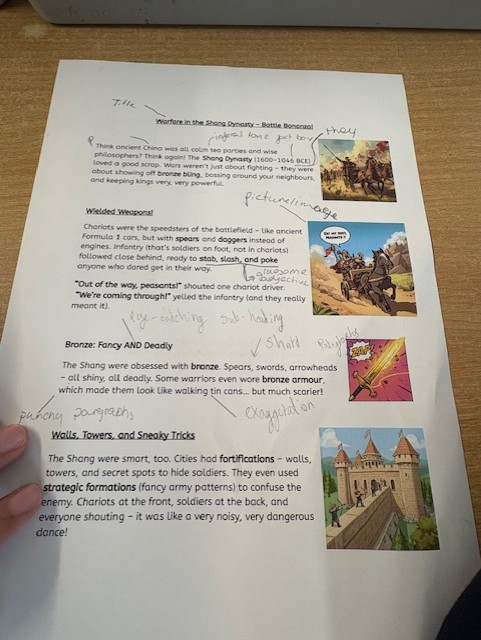
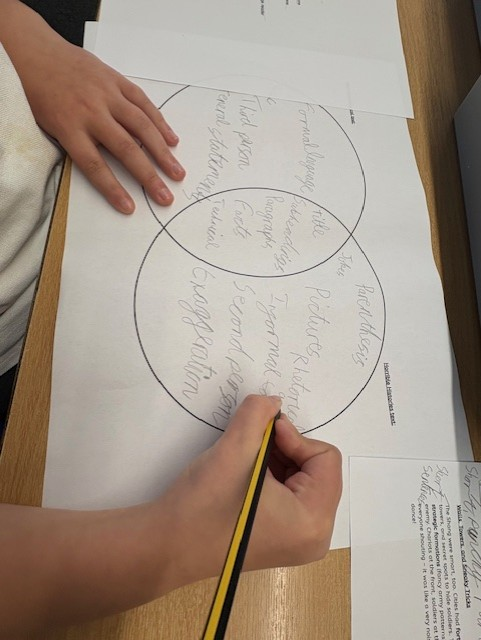
We are now preparing to write an Apprentice piece so that we can have a go at writing part of a Horrible Histories report.
This week, we explored the end of the Shang Dynasty and the causes and consequences of the King's actions. To do this, we acted the end of the Shang Dynasty as a play:
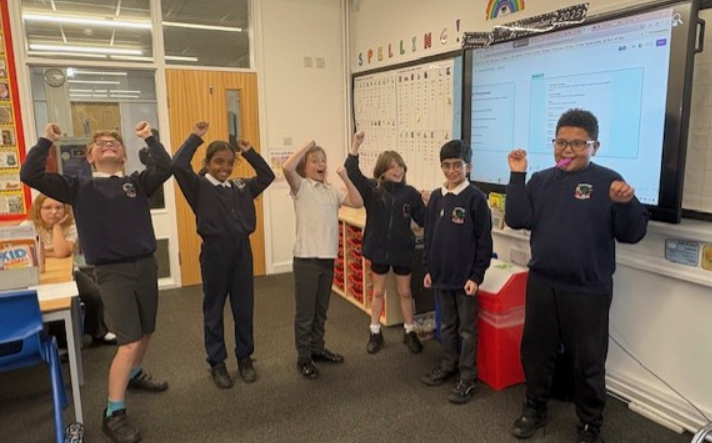
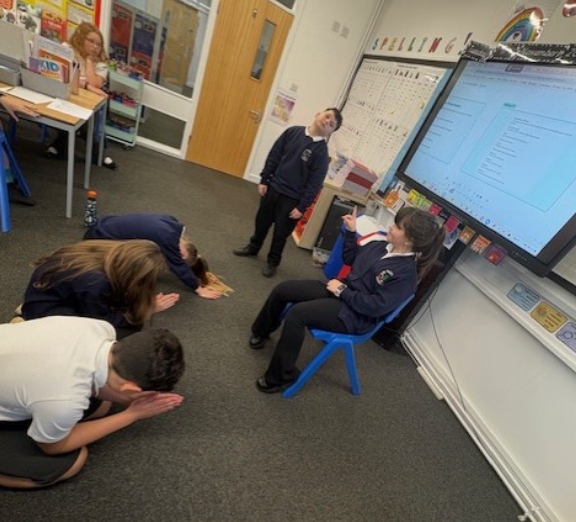
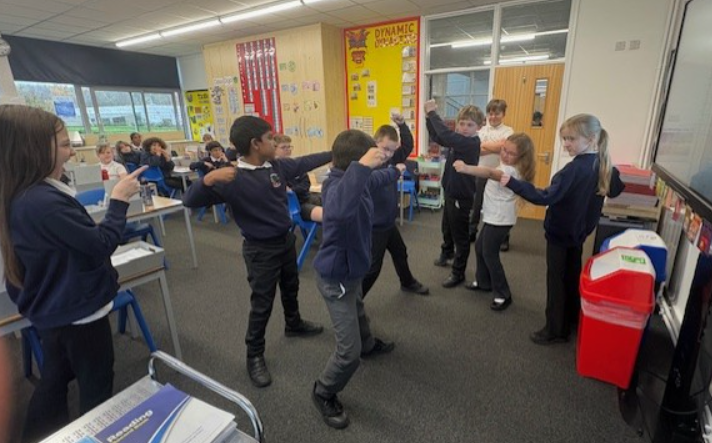
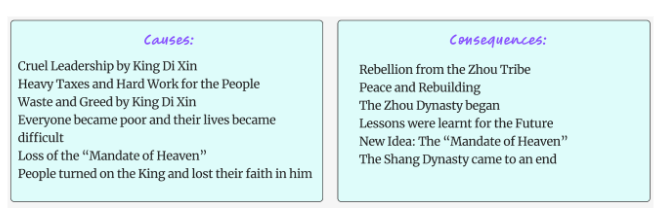
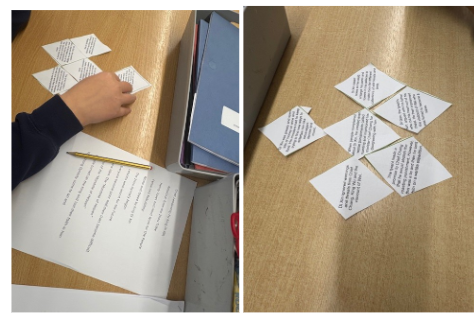 Finally, we completed a diamond 9 activity to rank the causes for the fall of the Shang in order to determine the significance of each cause:
The children explored the biomes of the world and their key characteristics using a range of sources. We then completed an activity where we had to match the right characteristics to the right biome:
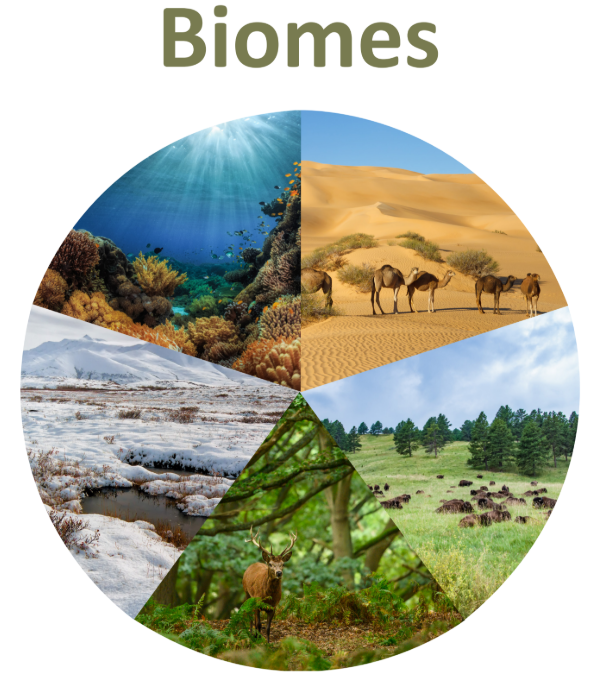
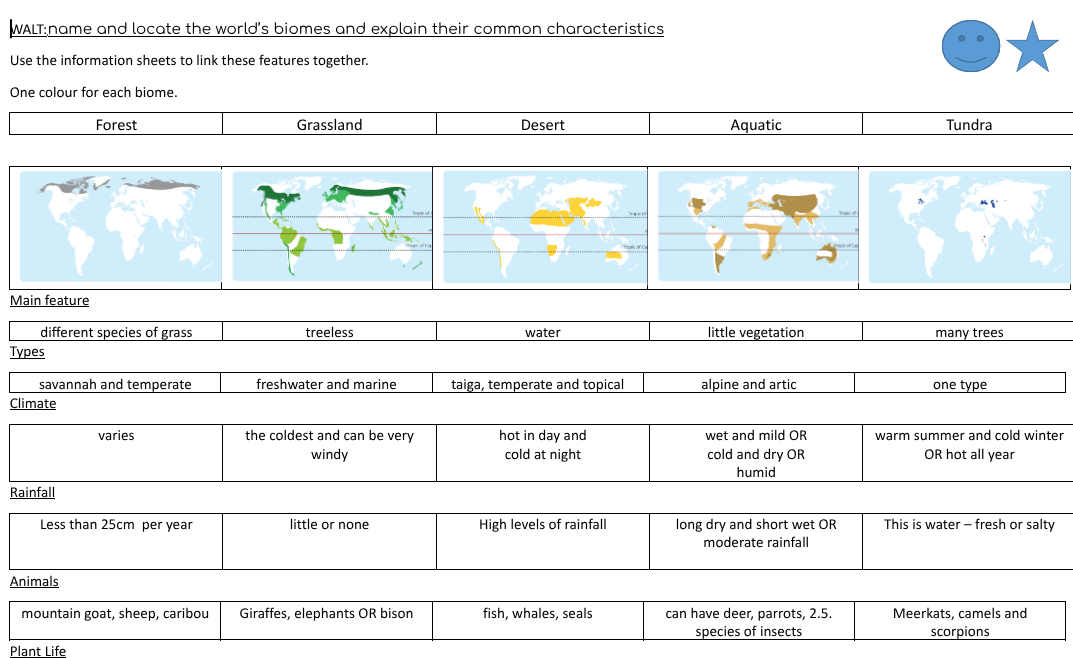

Finally, we explored some of Planet Earth and delved deeper into the Tundra biome.
Update – Friday 7th November 2025
In English, we are putting the children’s knowledge of the Shang Dynasty to the test by applying this within our English unit, ‘Horrible Histories: The Shang Dynasty’. The children have been exploring a range of information texts to unpick the layout and language features.
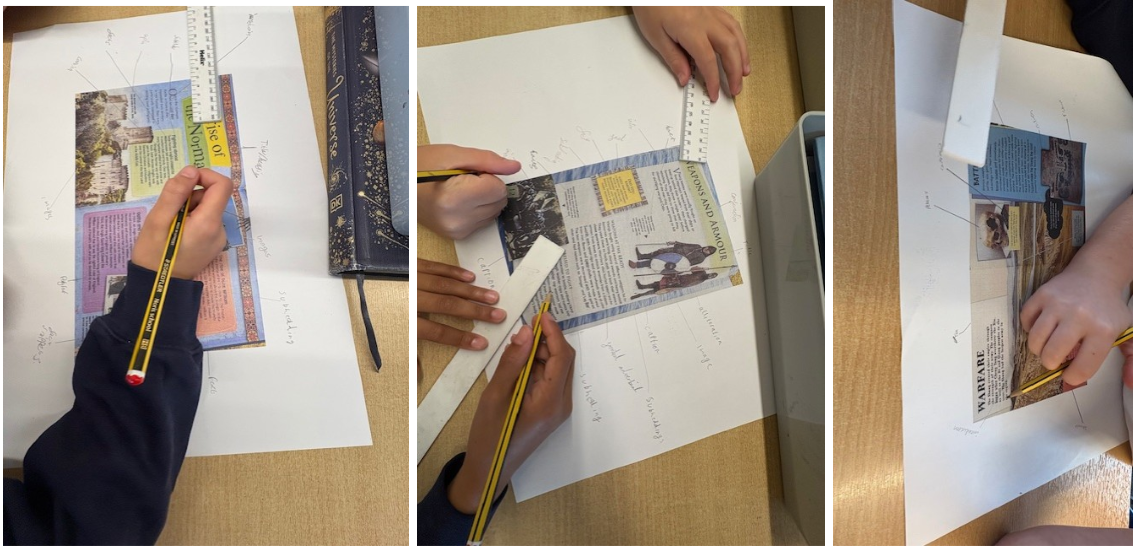
In science, we have been learning about our solar system and creating a 'to-scale' model. We used a variety of fruits and vegetables to show the relative size of the planets to the sun.
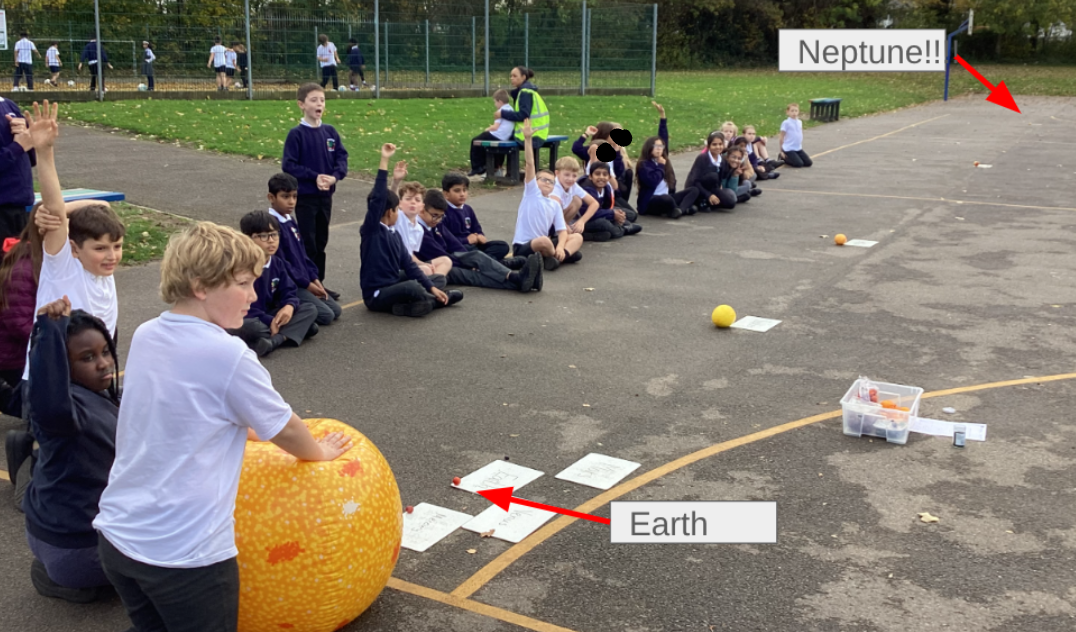
Update - Friday 24th October 2025
DT:
This week we introduced the children to our new DT topic in preparation for after half term. We explored pneumatics! The children learnt about the states of matter before applying this knowledge to the concept of pneumatics:
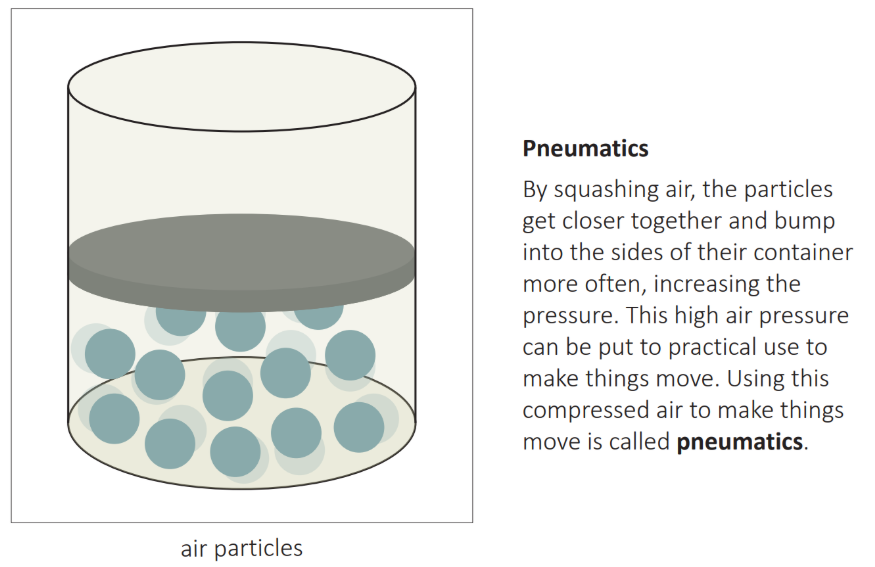
We then explored how pneumatics is used within the real world:

 After this, we investigated how squashed air increases the pressure to make things move using a range of syringes and rubber tubing:
The children absolutely loved this lesson and are very excited to start the unit.
Boxes:
We have asked the children to bring in any empty cereal or shoe boxes if they have them at home in preparation for their creative work next half term.
Geography:
Over the last couple of weeks, the children have explored climate zones and vegetation belts within the world. After learning about the climate zones, the children created their own display pieces to show off their learning and apply their knowledge:
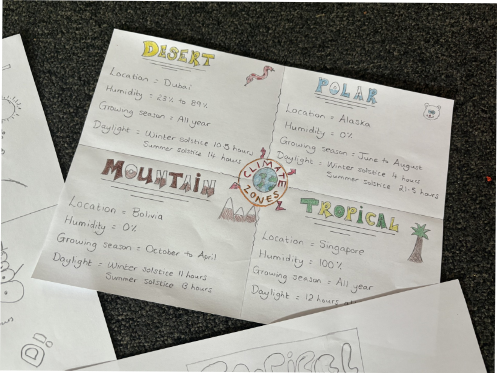
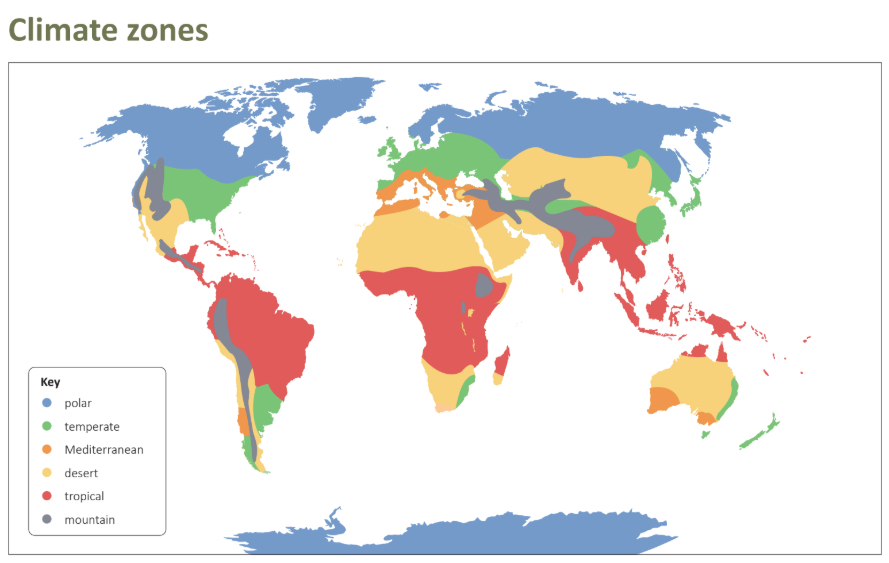
Update - Friday 17th October 2025
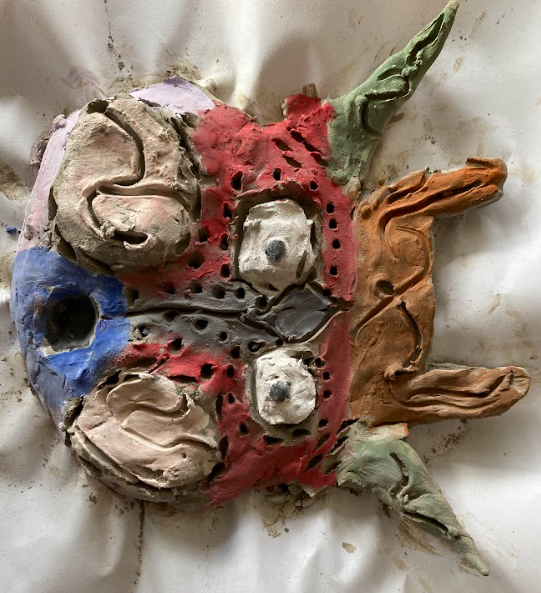
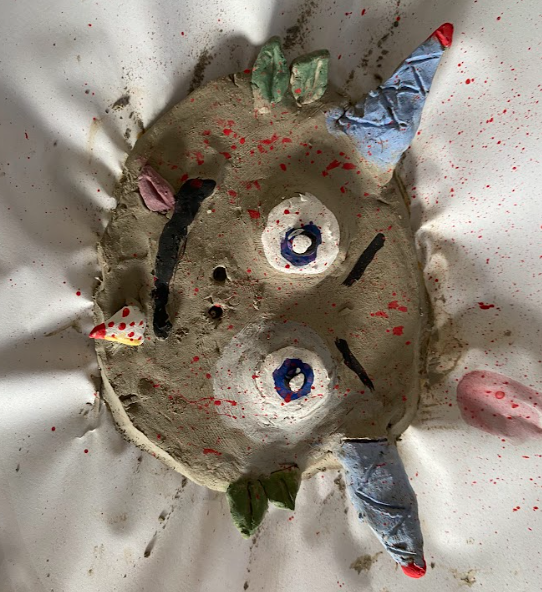
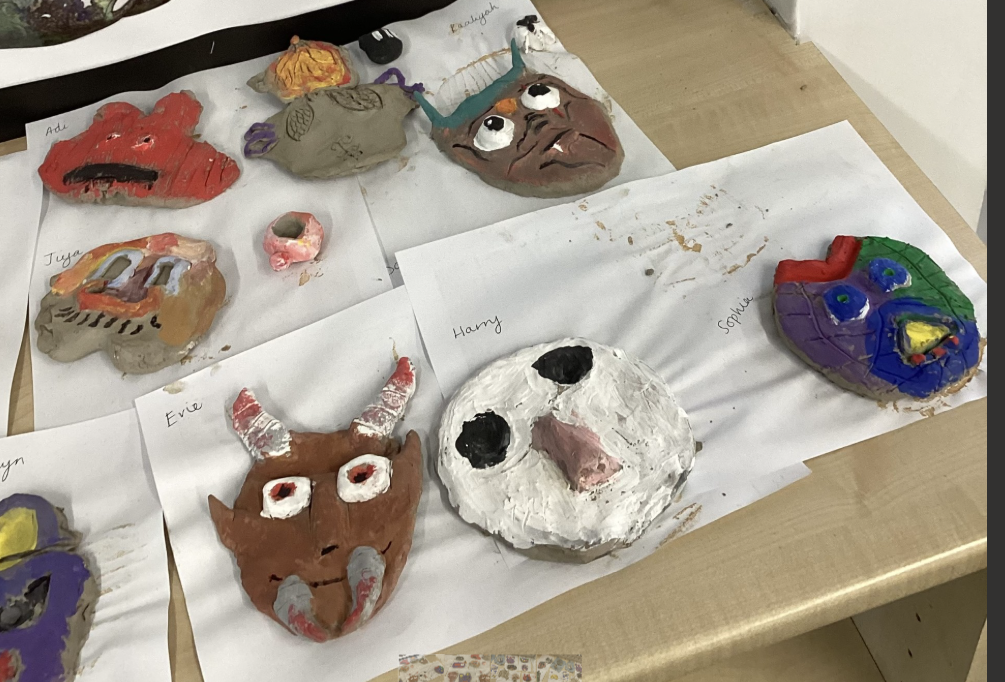
The children have completed their Taotie masks in art and used painting techniques to finish their final pieces. This week, we are reflecting on our work and evaluating our masks. We have been very impressed with the children's hard work in this unit, and there are some talented little artists in our year group!
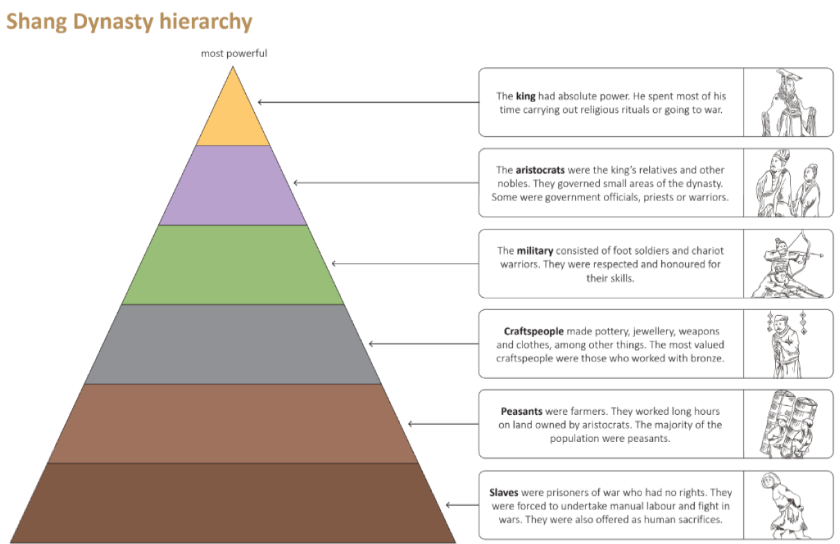
In History, we have been learning about the hierarchy of people within the Shand Dynasty. The children then used their knowledge to create Top Trump cards for the different roles to show who had the most power, wealth and popularity.
In English this week, we have worked hard on cohesion and ensuring we join our sentences and paragraphs effectively. We have learnt a lot about Simon Biles and the key events within her life.
Next week, we will be writing our final pieces to put our skills to the test and show off our learning.
Update – Friday 10th October 2025
This week, the children explored religion within the Shang Dynasty. We looked at five key areas of religion and why this was so important to the Shang. In pairs, the children received a blank envelope, which revealed the area of religion they were tasked with investigating. They then used the Chromebooks to follow their line of enquiry and learn more about what the Shang believed, how they worshipped their ancestors and why this was so important to them. Each pair then created their own Google Slides and prepared a presentation for another group using flash cards. They then taught each other about their findings:
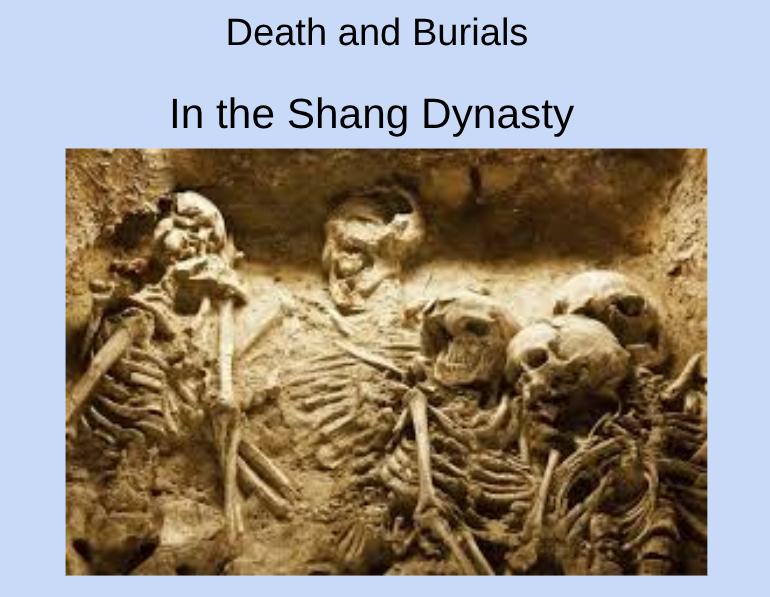
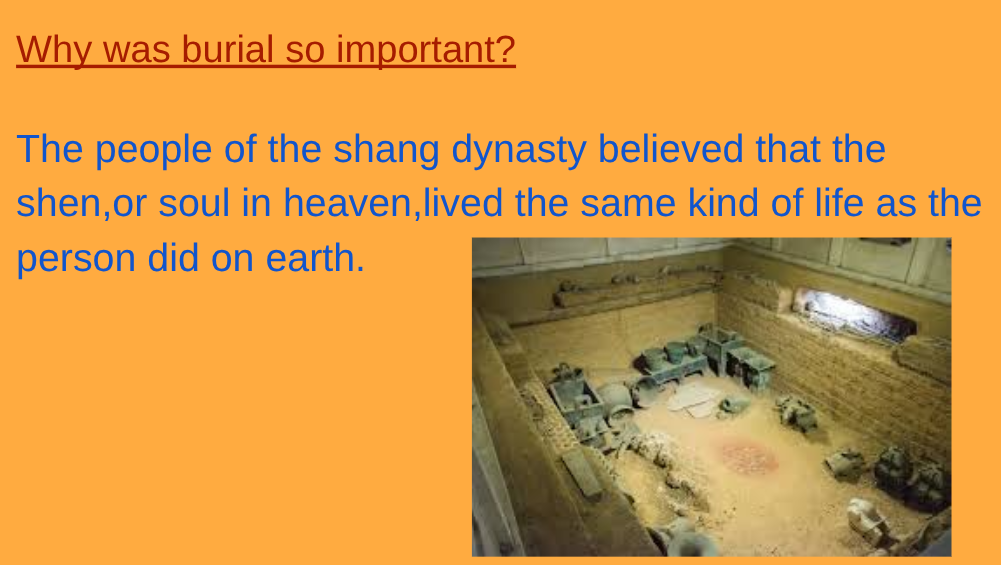
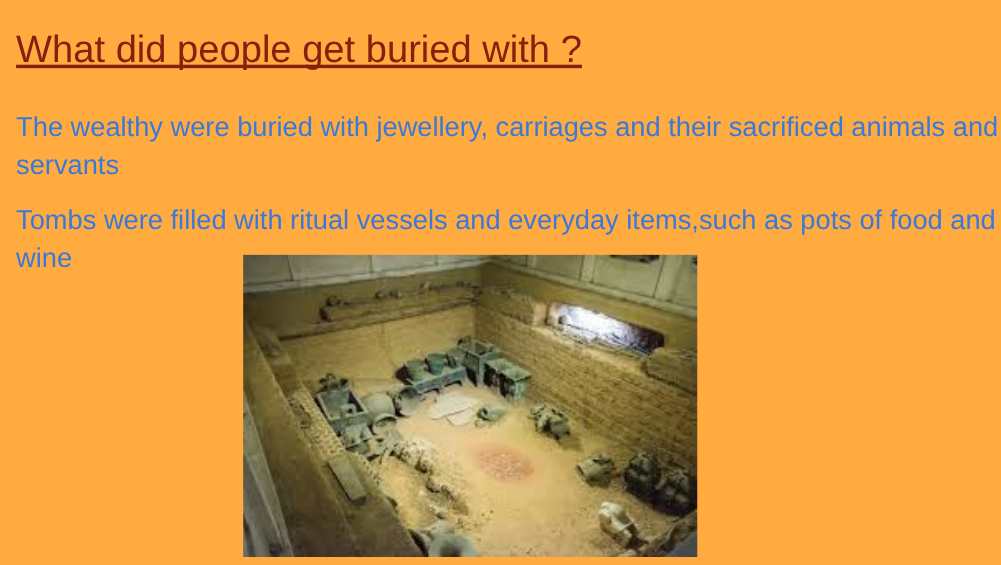
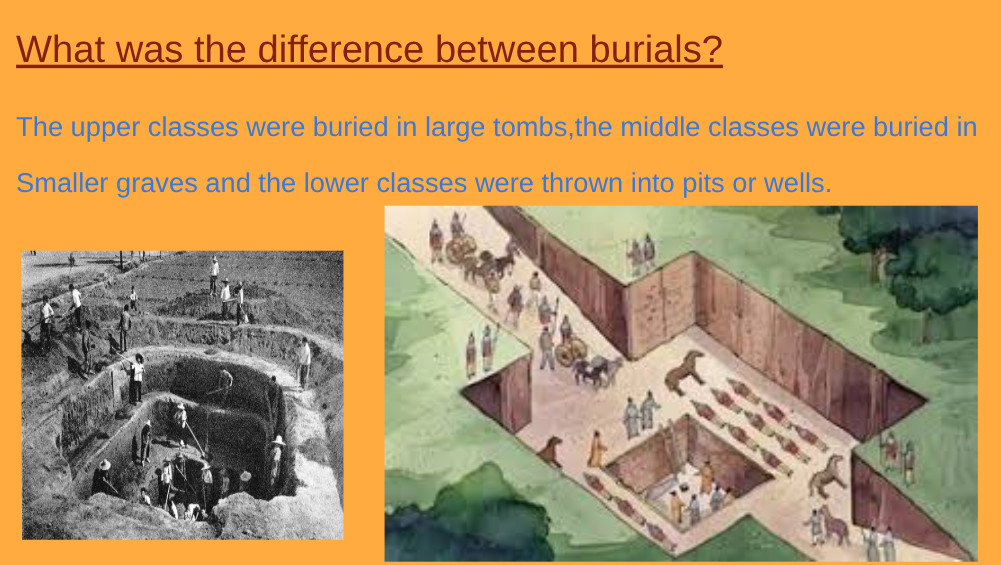
We completed our PSHE unit 'Being Me in My World' for this Autumn half term by looking at a range of conflict/resolution scenarios. We worked together to become Agony Aunts and support others with their problems. To do this, we used the structure 'GEARS' to write a reply letter supporting a child with their problem by showing empathy, giving advice and also reassurance:
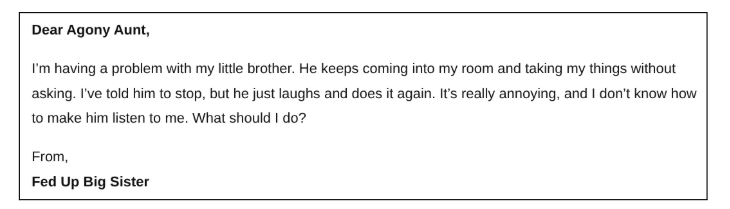
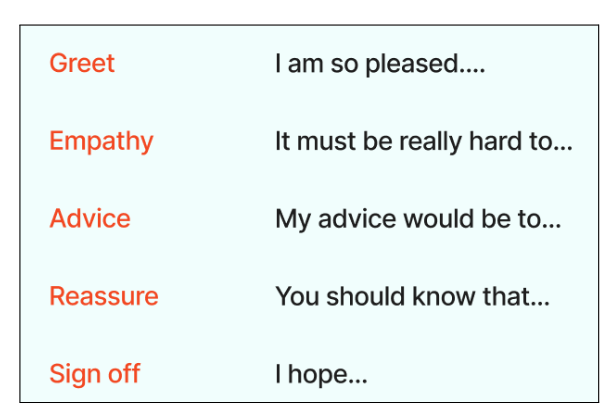
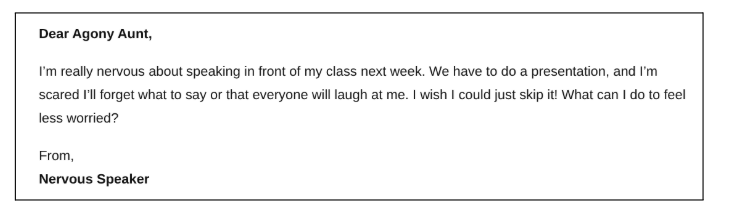
This week we have completed our RE unit 'Belonging'. We have explored how a sense of belonging is felt within Islam:
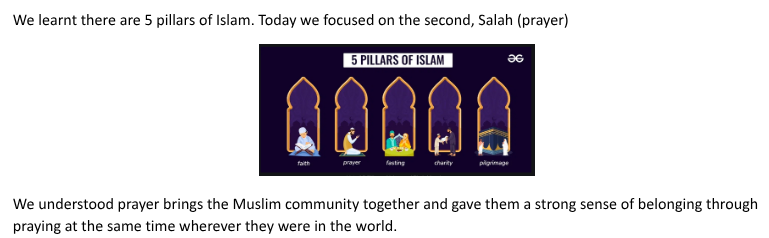
Update - Friday 3rd October 2025
This week in English, we have started our next unit of work linked to Black History Month.
We are exploring the life of Simone Biles in preparation for a biographical piece of writing later on in the unit. To kick start this topic, we were given a range of items as clues and had to work out who the mystery guest was. The Olympic medal and leotard were the biggest giveaways, and it didn't take the children long to figure out the gymnast!
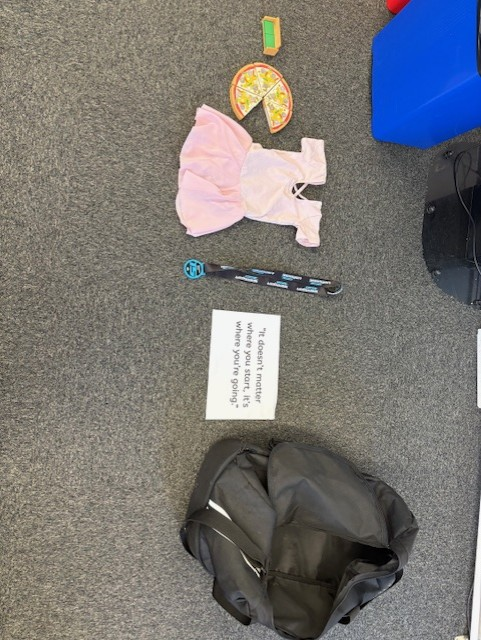

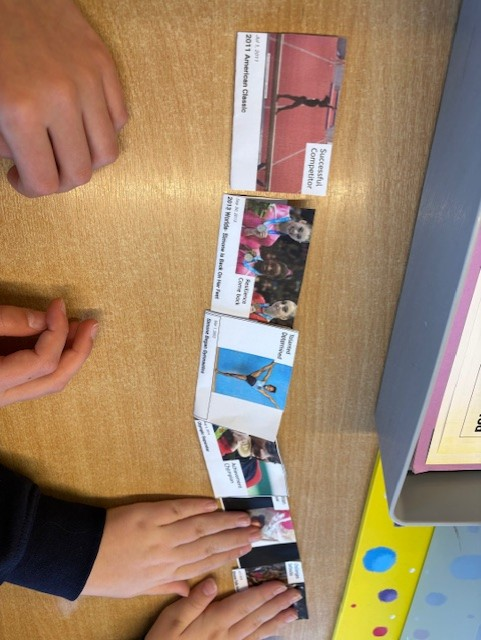
We have started to learn more about her life and explored her key life events, putting them into chronological order.
We have moved on to our next unit, 'Addition and subtraction', and will be learning a range of methods to help us work out calculations quickly and efficiently. We will soon be exploring the use of the inverse to check answers and work out missing gaps in calculations.
This week in art, we made our own 'oracle bones' by hosting a divination ceremony. The children used clay to create their own bones/plastrons and then carried out the divination process by inscribing their names, date and question on behalf of the Shang:
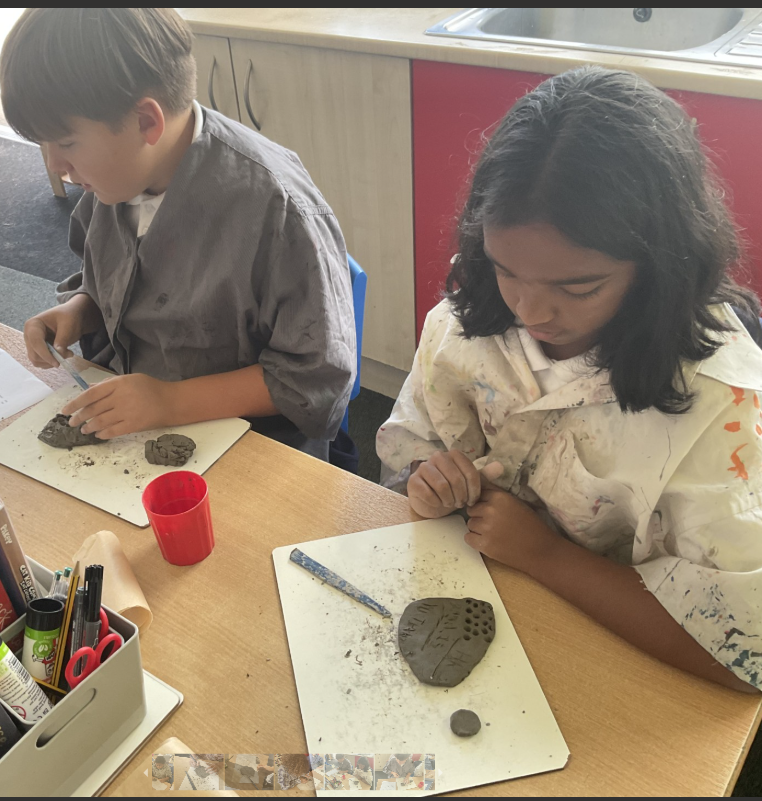
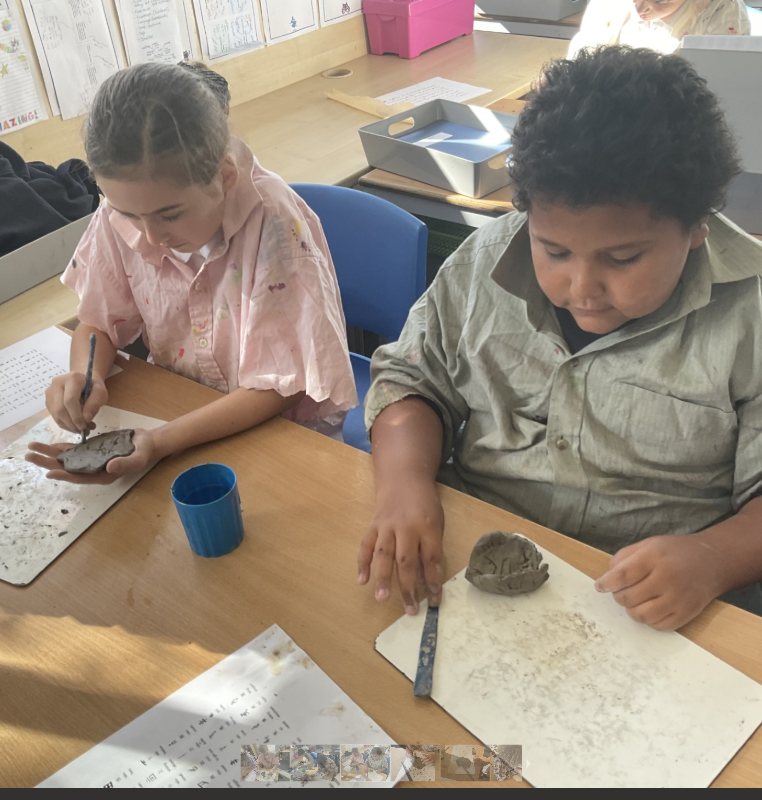
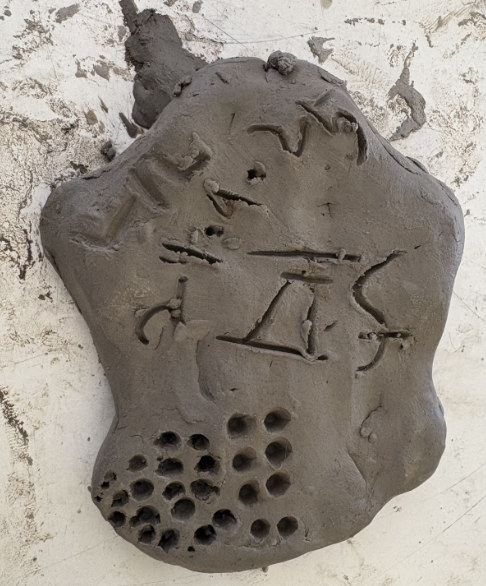
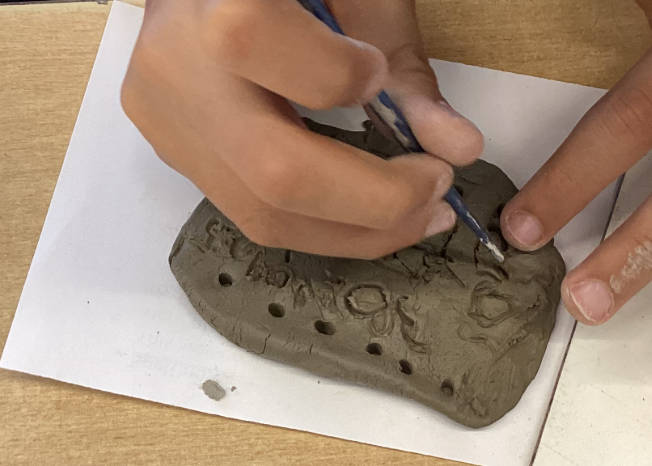
Update – Thursday 25th September 2025
This week, we have started our Year 5 swimming sessions at the Sports Centre. The children have thoroughly enjoyed their first sessions, and it has been lovely to see them already growing in confidence in the swimming pool and listening carefully to their instructions as they are taught different strokes and shown techniques. We have a lot of great swimmers already in the year group, and their hour swim each week is definitely a hit with them!
In computing, we have enjoyed our new topic 'search engines' and have been learning about alternative search engines to 'Google'. The children had the opportunity to explore a range of different search engines and reviewed them to determine which ones would be the best to use in given scenarios. After this, the children explored the accuracy and validity of information from the internet. They were given a website to explore:
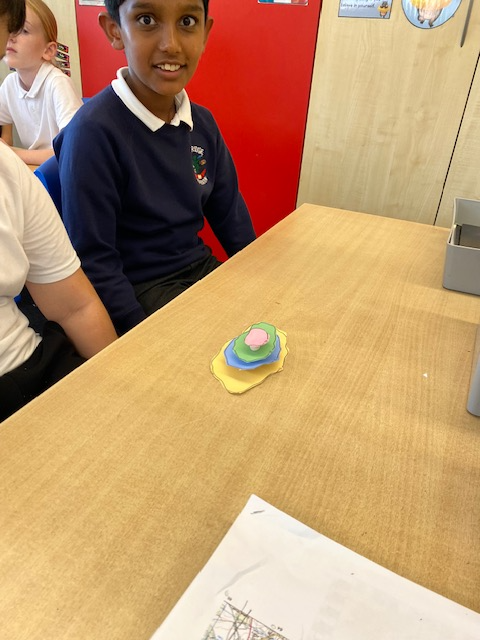
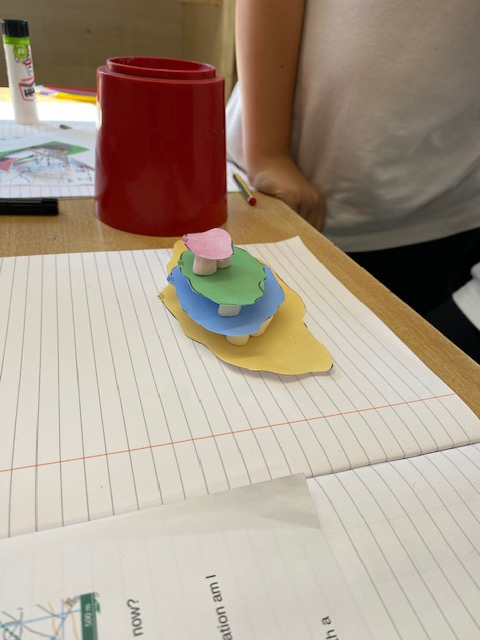 It didn't take long for them to realise the information provided on this website was inaccurate and had been fabricated! The children uncovered evidence of inaccurate information and we discussed safety online.
In Geography this week, the children learnt about contour lines on OS Maps. We explored a range of maps and they were given the task of making their own 3D model to represent contour lines:
Update – Friday 19th September 2025
This week, we have continued to work on our persuasive letter writing. Having completed an Apprentice piece to show off what we can do, we started to focus on the structure of paragraphs. The children were given sentences to organise and manipulate to help develop their understanding of how to make paragraphs and sentences within paragraphs cohesive. We explore how to persuade using points, explanation and evidence to further our understanding of how a paragraph is pieced together.
After that, we then spent some time applying this knowledge and practising writing paragraphs in preparation for our final pieces.
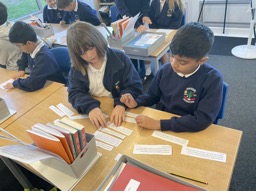
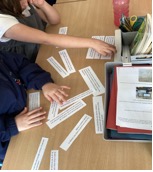
This week in history, we took a trip back to the year 1950 in the 20th century, when a unique dig at Yinxu uncovered the first evidence that the Shang Dynasty had existed. To help us understand more about the dig, we first listened to a news podcast about the event. Then, we re-enacted the dig with our very own archaeological dig! The children used paintbrushes to uncover the evidence within and used their historical interpretation knowledge to try to work out what the artefact told them about the Shang Dynasty. We then looked back at historical scientists' insights before choosing an artefact to write about in our books. The children were very good archaeologists and enjoyed learning about the Shang Dynasty through the artefacts discovered!
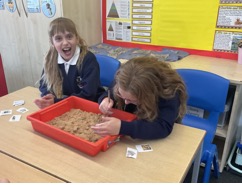
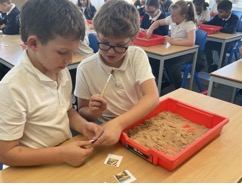
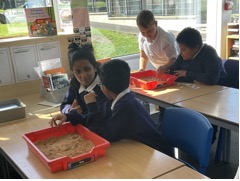
Our current topic 'Forces and mechanisms' is well underway now and the children investigated friction this week. We carried out an investigation into the relationship between surfaces and friction. To help us understand the concept, we used cars, ramps and different surfaces to see how the car travelled.
Update – Friday 12th September 2025
The children have now begun their exciting History unit: Dynamic Dynasties! To start the unit off, we learnt about the chronology of Ancient China and created our own interactive class timeline:
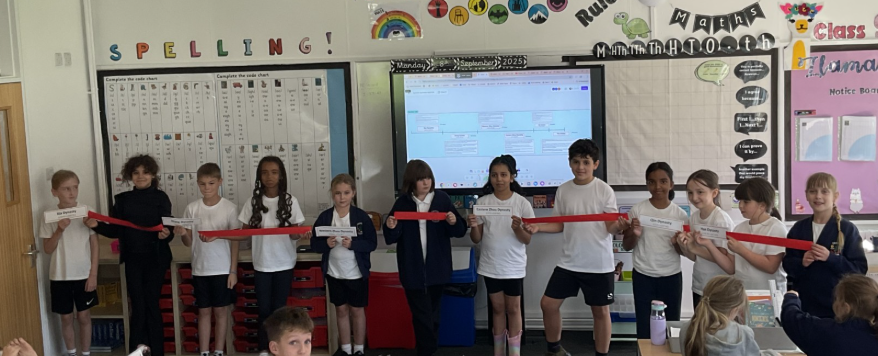
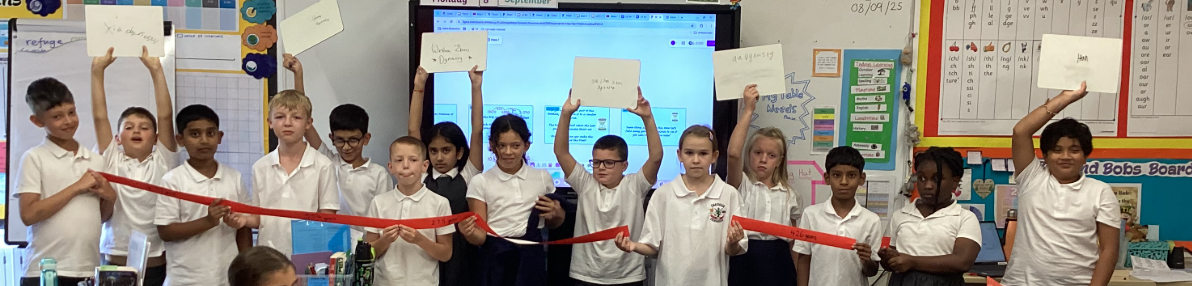
After this, we then shared a memorable experience in which we acted out a myth from the Xia Dynasty called ‘The Yellow Emperor’. The children took on the role of different characters, and as a class, we performed the play:
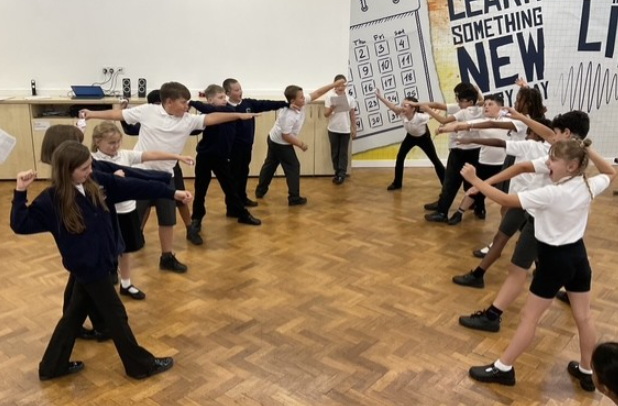
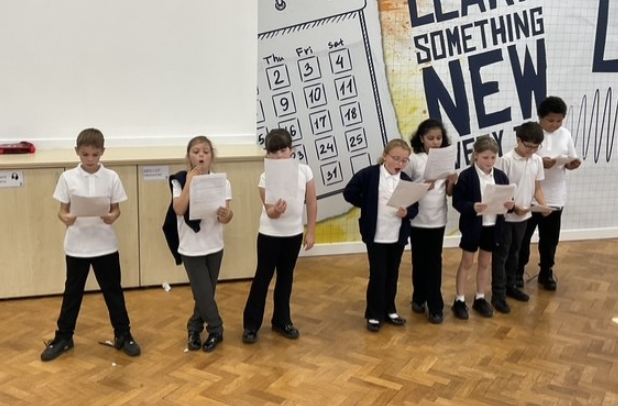
Once we had completed the play, we discussed the validity of the myth. We explored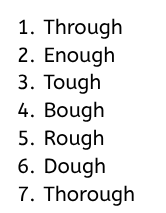 how these stories are passed down and whether we believe them to be accurate depictions of what happened or whether we believe they have been embellished or made up for creative reasons!
This week we have been exploring words containing ‘ough’ in spelling. As a class, we learnt about some of the different sounds these letters can make and explored the following words:
We used the following ‘Grow the code mat’ to explore the words and break them down into their sounds:
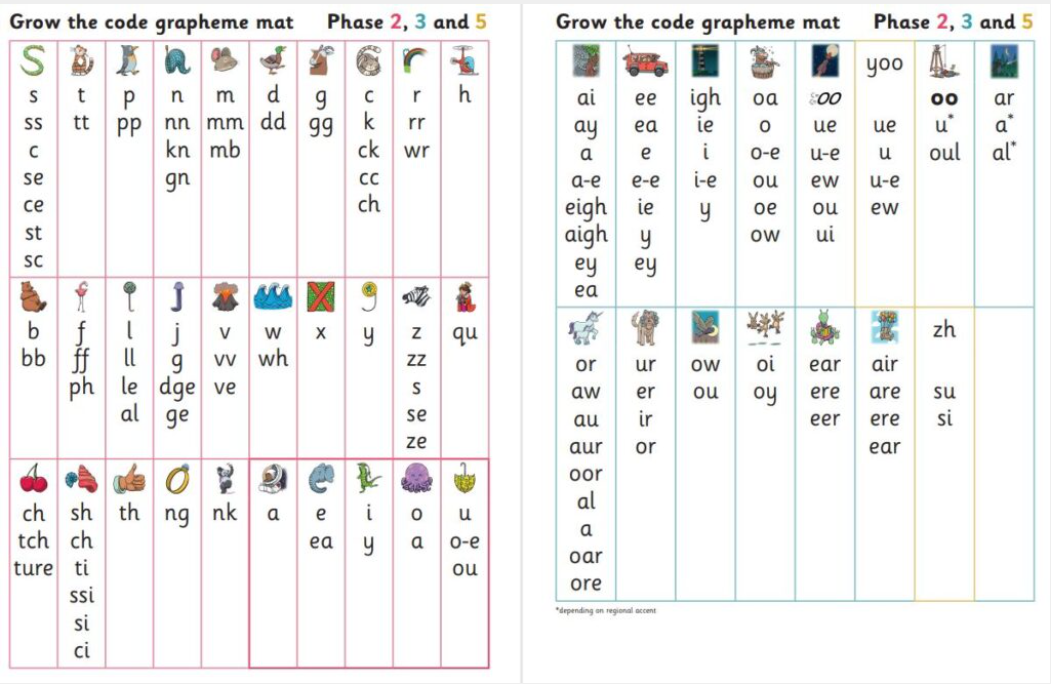
The children spent the week practising these words and we tested each other to see how many words containing ‘ough’ we could spell correctly.
Each week on Mondays, we will continue to give the children the spellings being focused on for that week so that if they want to, they can practice them at home too!
Update - Friday 5th September 2025
Welcome to year 5! We hope you have all had a lovely summer break and enjoyed spending time together over the holidays. We have many exciting plans in place for the children this year so stay tuned on this Year 5 group page of the website for weekly updates.
We have already been so impressed with the way the children have come back to school and started to settle into their new classes. Although they are in the same classroom area as last year, they have stepped up their game and are adjusting well to the expectations set for year 5. Every single child has shown such a positive attitude towards their learning and to their new class teachers so we are already excited about this year ahead.
We began with full steam ahead and the children have already kicked off many of their topics for the half term. Here are a few we have already started:
In maths this half-term, we are focusing on place value. The children use a combination of White Rose maths alongside the teacher's own creative ideas and have already explored Roman numerals as well as the place value columns. This exploration will continue into next week.
We have also started our TT Rockstar practice this week and hope the children will continue to use TT Rockstars online at home to further improve their knowledge and speed of their times tables because it has such a benefit to the children throughout their maths journey.
In our English, the children have started to read their new 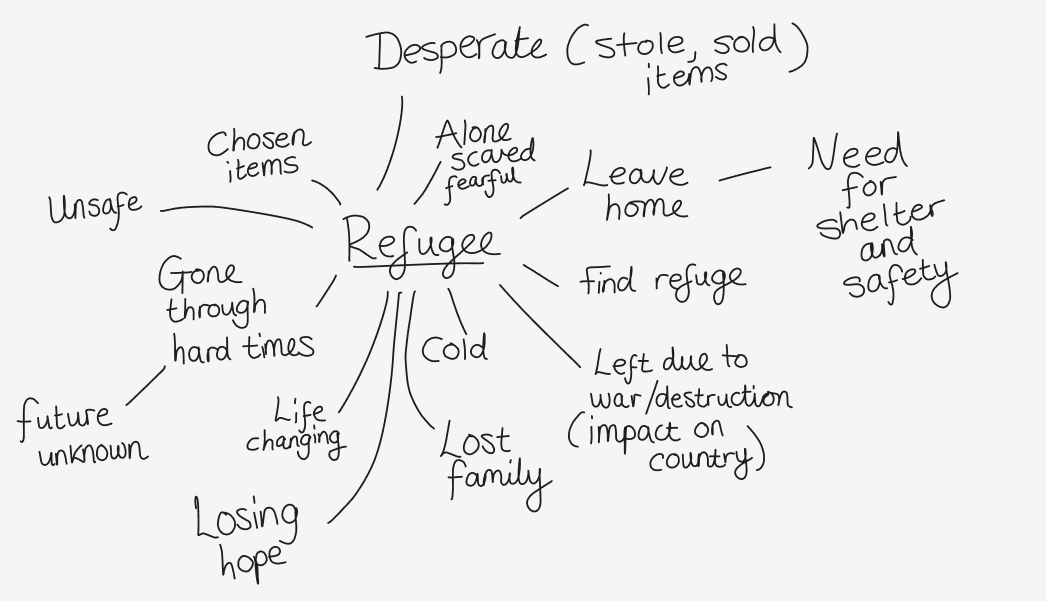 class book 'The Boy At The Back Of The Class' and we will be completing a writing unit alongside this. On our first day, we explored the term 'refugee'. A lonely chair sat at the front of the classroom when we first came back to school and on the chair, there sat a rucksack. Inside this rucksack, we uncovered a range of clues that led to us understanding more about refugees.
We explored the art of 'persuasion' within writing and will continue to explore the skills required to write a formal letter to Miss Charman.
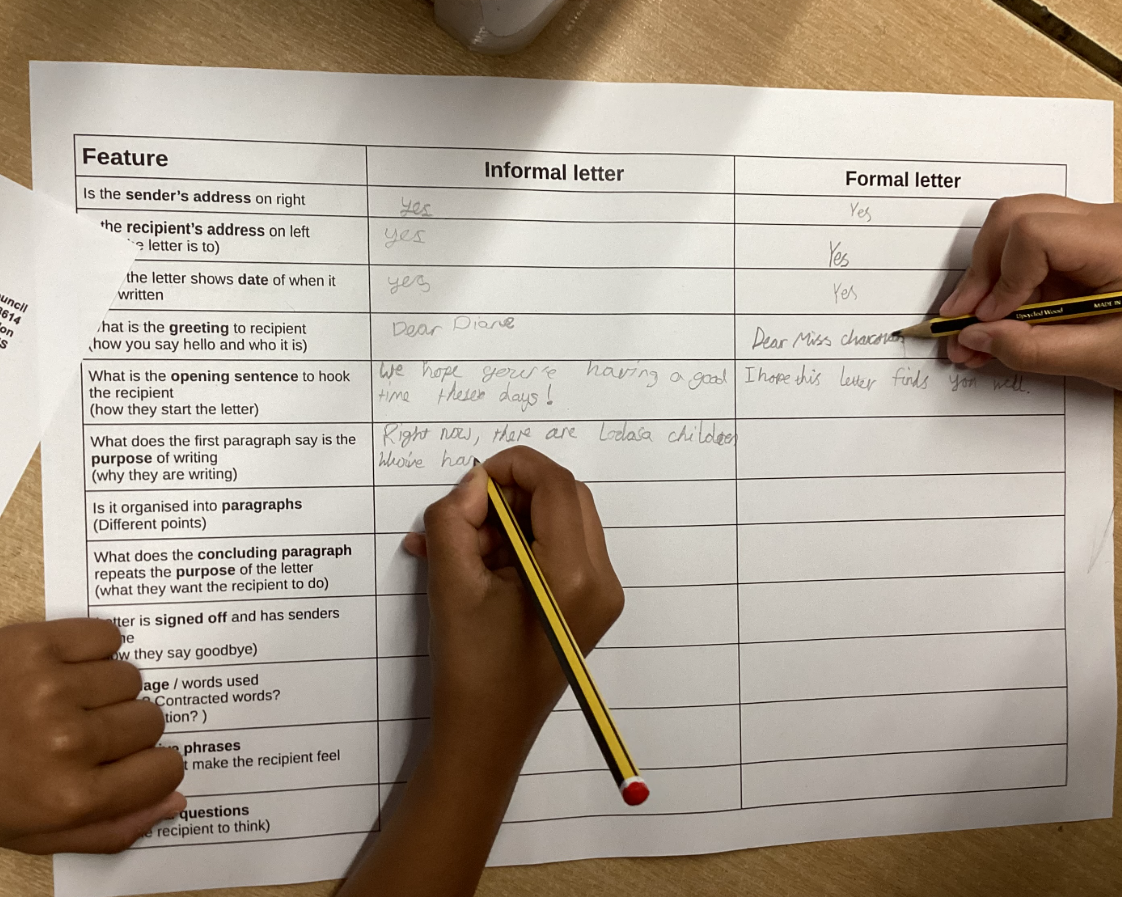
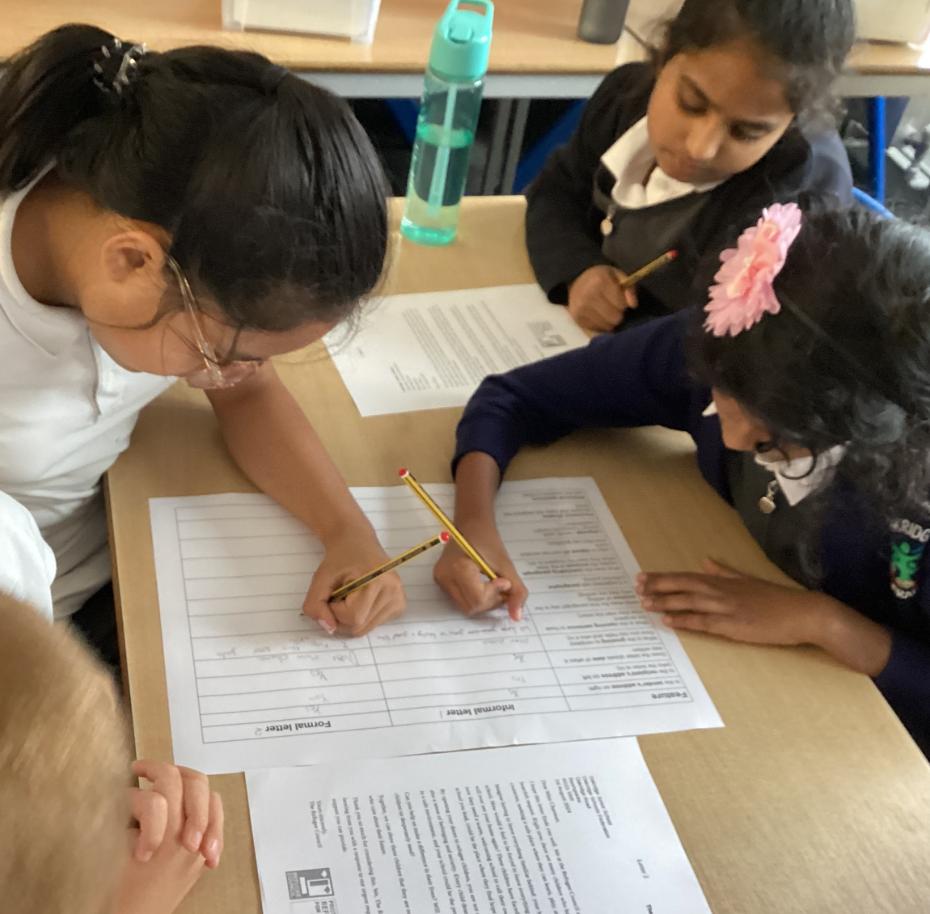 Linking to our history unit 'Dynamic Dynasties', the children have explored taotie art work. They learnt about the key characteristics of taotie art and then had a go at replicating an artifact using key drawing and sketching skills. It turns out we have some fantastic artists in year 5 and cannot wait to see what they can produce throughout the year!