Year 5
Welcome to Year 5!
2026-27
In Year 5, our teachers are Mrs Tamsett-Tate (Class 7), Miss Brown (Class 8) and Miss Scott and Mrs Oswald (Class 9).
If you have any questions, please get in touch with your child's teacher. If they are not around at pick-up, you can speak to them by phoning the school office and requesting an appointment.
Keep referring back to this page for regular updates about the children's learning.
Curriculum Newsletters
Year 5 Autumn 2 Curriculum Newsletter
Year 5 Autumn 1 Curriculum Newsletter
Update – Friday 23rd October 2026
Art:
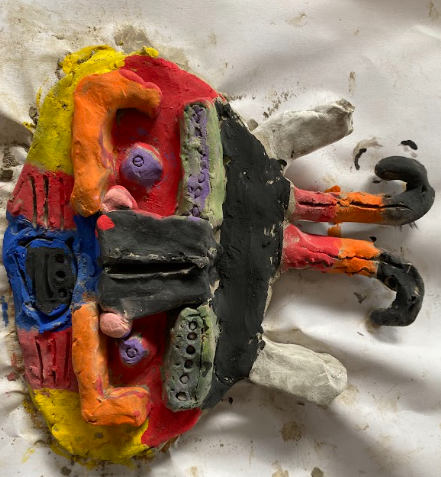
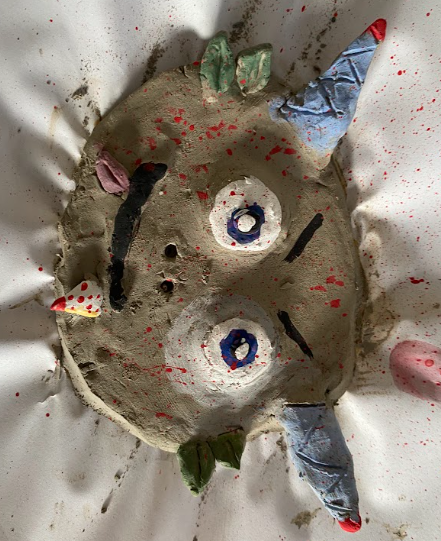
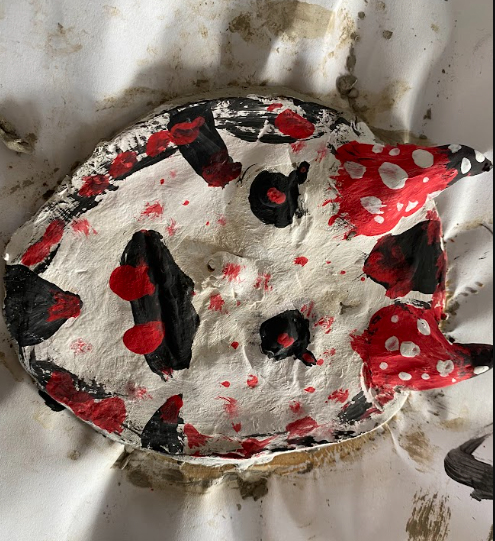
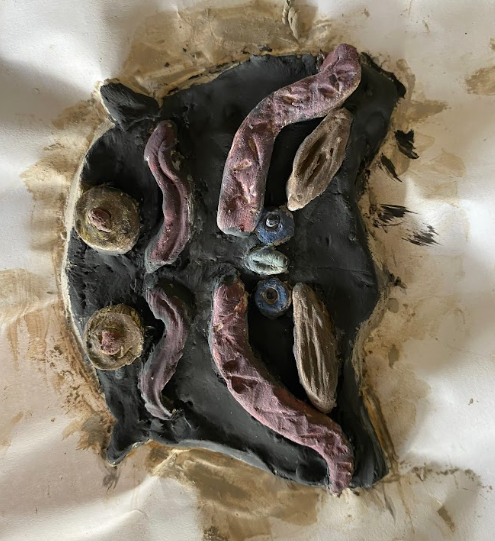
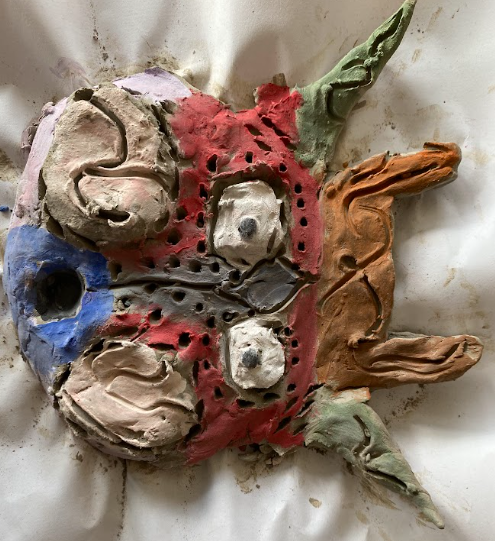
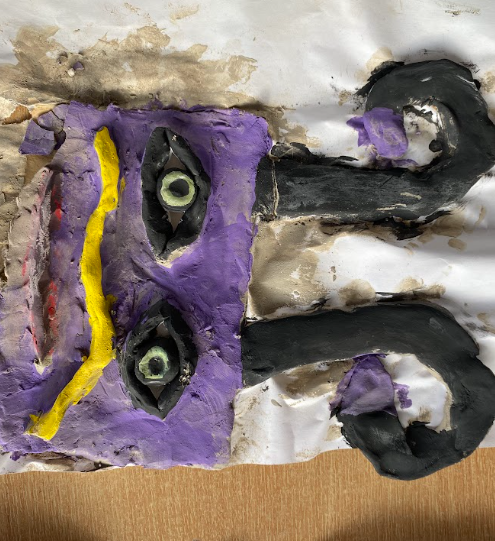
This week, Year 5 have been busy bringing their clay Taotie masks to life through painting! After designing and creating their own clay masks, the children were finally able to add colour and detail to their finished sculptures.
Our inspiration came from the Shang Dynasty, where bronze vessels and other artefacts often featured the distinctive Taotie motif. These mysterious, symmetrical faces were commonly decorated with intricate patterns and are thought to have held religious or symbolic significance. The children explored the features of Taotie masks, looking closely at their bold eyes, decorative shapes and symmetrical designs before using these ideas to influence their own creations.
For our painting session, we chose a range of blue tones to reflect the appearance of oxidised ancient pottery and artefacts. Over thousands of years, materials can change colour through environmental exposure, creating fascinating blue-green and turquoise shades. We wanted to capture this aged, historical appearance rather than simply painting our masks in bright, modern colours.
The children carefully applied their paint, thinking about how different shades could highlight the raised features, patterns and textures of their clay masks. They experimented with colour choices and considered how to make the details stand out, bringing their individual designs to life. It was wonderful to see how each child's mask developed its own character while still reflecting the artistic influences of the Shang Dynasty.
This project has allowed the children to combine their historical knowledge with practical artistic skills, developing their understanding of sculpture, colour and texture along the way. They have shown creativity, patience and care throughout the process, and we are incredibly proud of the finished results!
We look forward to sharing our completed Taotie masks and celebrating the fantastic work produced by Year 5.
.png?v=1793799706)
.png?v=1793799706)

Science:
This week, Year 5 have continued their Forces in Motion science unit, exploring how different forces affect how objects move. We have been developing our scientific enquiry skills by asking questions, making predictions, carrying out investigations and using our observations to explain what we have discovered.
We began by investigating friction and how it affects how objects move. Using ramps, the children explored how different variables could influence how easily an object travels across a surface. They considered scientific questions such as How does the steepness of a ramp affect the movement of an object? and How does the material covering a ramp affect how far an object travels? Through these investigations, the children explored how friction acts between two surfaces in contact, slowing down movement. They also considered how rougher surfaces generally create more friction than smoother surfaces.
We then moved on to explore water resistance, investigating how an object's shape affects the force acting against it as it moves through water. The children used plasticine to design and create their own shapes before testing them in a tank of water. They predicted which shapes would travel through the water most quickly and which would experience the greatest water resistance.
The children discovered that an object's shape can make a significant difference in how easily it moves through water. More streamlined shapes, with a narrower front and a shape that allowed water to flow around them more easily, generally experienced less water resistance. In contrast, broader shapes with larger surface areas facing the direction of movement experienced greater resistance, making it harder for them to travel through the water.
Throughout both investigations, we have encouraged the children to think like scientists by considering which variables to change, which to keep the same and how to make their tests fair. They have also been developing their scientific vocabulary, including friction, water resistance, force, surface, streamlined and fair test.
It has been fantastic to see the children experimenting with their own ideas, making predictions and using evidence from their investigations to explain the science behind their results!
English:
This week, Year 5 have been putting the finishing touches to their biography writing unit, focusing on the incredible life and achievements of American gymnast Simone Biles. After weeks of researching, planning, drafting and editing, the children have finally completed their biographies and transformed their writing into a fantastic finished product!
Throughout this unit, the children have explored Simone Biles' journey from her childhood through to becoming one of the greatest gymnasts of all time. They learnt about her dedication, determination and extraordinary achievements in gymnastics, as well as the challenges she has faced throughout her career. We also discussed the importance of mental health in sport, including Simone's brave decision to prioritise her wellbeing during the Tokyo Olympics and her inspiring return to competition.
The children have worked hard to apply the features of biography writing, including organising information chronologically, using formal language, incorporating factual detail and writing in the third person. They have also developed their skills in using cohesive devices, expanded noun phrases and a range of sentence structures to engage their readers and communicate information clearly.
Once their final pieces were complete, the children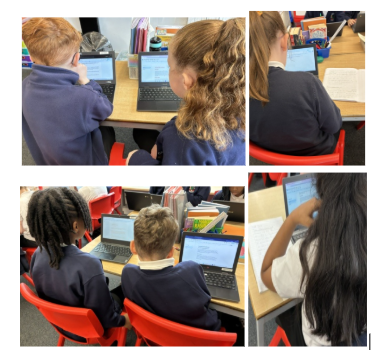 had the exciting opportunity to type up their biographies and create electronic copies of their work. This gave them the chance to present their writing professionally, carefully considering how their finished pieces would look to an audience. They then shared their electronic biographies, allowing the children to celebrate their hard work and take pride in what they had achieved.
Our final outcome was a class biography book dedicated to Simone Biles! This brought everyone's individual pieces together into one collaborative collection, showcasing the fantastic writing produced across Year 5. Creating a real book gave the children a meaningful purpose for their writing and let them experience the satisfaction of producing something others could share and enjoy.
We are incredibly proud of the effort, creativity and perseverance the children have shown throughout this unit. They should feel very proud of their finished biographies and the wonderful class book they have created together.
Update - Friday 16th October 2026
History – The Shang Dynasty
This week in History, Year 5 have been continuing their fascinating learning about the Shang Dynasty, focusing specifically on the important role that religion played in ancient Chinese society. We explored how the Shang people understood the world around them, what they believed happened after death and how their religious beliefs influenced the way they lived their lives.
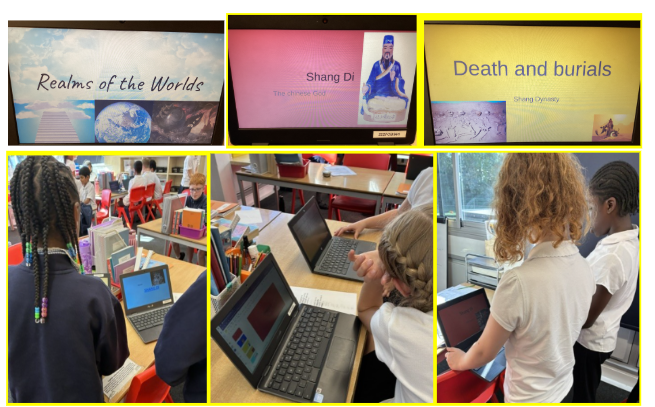
To begin our lesson, the children were given an envelope containing a mystery line of enquiry to investigate! Each group was assigned one of five key areas: Shang Di, ancestors, death and burials, realms of the world, and offerings and sacrifices. The children used the information provided to investigate their allocated topic, identify key facts and develop a deeper understanding of the religious beliefs and practices of the Shang people.
Once they had gathered their information, the children worked collaboratively to design and create their own Google Slideshows to present their findings. They carefully selected the most important information to share and organised their research into presentations that would help others understand their chosen aspect of Shang religion. This gave the children a fantastic opportunity to develop their research, teamwork and computing skills while exploring an important part of ancient Chinese history.
The most exciting part of the lesson came when the groups shared their presentations with their classmates! Rather than simply learning about one topic, the children became the experts in their own area and taught one another about their discoveries. By listening to the other groups, asking questions and sharing ideas, they were able to build a much broader understanding of the different religious beliefs and practices that shaped life during the Shang Dynasty.
The children worked brilliantly together and showed great enthusiasm and curiosity throughout their investigations. It was wonderful to see them taking responsibility for their own learning, sharing their knowledge confidently and supporting one another to develop their historical understanding. Another fantastic week of exploring the fascinating world of the Shang Dynasty!
Maths – Multiplication and Division
This week in Maths, Year 5 have moved on to the next unit of our White Rose Maths scheme: Multiplication and Division A. We have been building on our knowledge of multiplication and division, exploring the important mathematical concepts of multiples and factors.
We began by investigating multiples, learning that these are the numbers we get when we multiply a number by another whole number. For example, the multiples of 4 are 4, 8, 12, 16 and 20. The children practised identifying multiples of different numbers, recognising patterns and using their times-table knowledge to help them work more efficiently.
We then moved on to exploring factors, learning that factors are numbers that divide exactly into another number without leaving a remainder. For example, the factors of 12 are 1, 2, 3, 4, 6 and 12. The children investigated factor pairs, discovering how two numbers can be multiplied together to make a given product. We also explored how to work systematically to ensure that all possible factor pairs are identified.
Throughout the week, the children have been encouraged to explain their mathematical thinking, recognise number patterns and use their multiplication facts to solve problems. A secure understanding of multiples and factors is an important foundation for the rest of our unit, particularly as we move on to more challenging multiplication and division calculations.
To support your child at home, regular practice of times tables would be hugely beneficial, particularly working towards rapid recall of multiplication and division facts. The more confident the children become with these facts, the easier they will find it to identify multiples, find factor pairs and tackle increasingly complex mathematical problems.
Swimming
Year 5 have continued to make fantastic progress in their weekly swimming lessons! It has been wonderful to see the children developing their confidence in the water and building on their swimming skills each week. They have shown a really positive attitude towards their lessons, approaching activities with increasing confidence and demonstrating a willingness to challenge themselves.
We have also been incredibly impressed with the children’s behaviour and enthusiasm during our swimming sessions. They have been listening carefully to instructions, following expectations sensibly and representing Oakridge brilliantly. It is lovely to see them growing in confidence while also showing such maturity and responsibility.
We will continue to attend swimming lessons every week until half term, giving the children further opportunities to practise their skills, improve their technique and become even more confident and capable swimmers. Well done, Year 5 – keep up the fantastic work!
Update - Friday 9th October 2026
This week in English, we have continued our Black History Month writing unit, focusing on the incredible life and achievements of gymnast Simone Biles. The children have explored Simone’s journey from childhood through to becoming one of the most successful gymnasts of all time. We have discussed the dedication, commitment and determination she demonstrated throughout her career and considered the challenges she faced along the way.
A particularly important part of our learning has been exploring Simone’s experience with the ‘twisties’, when she temporarily lost her sense of spatial awareness while performing gymnastics. We discussed how this affected Simone both physically and mentally, and how she made the brave decision to step away from competition to prioritise her wellbeing. The children explored how Simone demonstrated incredible resilience by returning to gymnastics when she felt ready and continuing to achieve at the highest level.
Alongside learning about Simone’s life, the children have been developing their writing skills. We have focused on sentence cohesion and explored how different writing devices can help our biographies flow smoothly. The children have practised using conjunctions and fronted time adverbials to sequence events clearly and have identified and written relative clauses to add extra information about Simone and her achievements.
The children have also been practising constructing sentences for each stage of Simone’s life, building up a bank of ideas and vocabulary that they can use in their final piece.
Next week, the children will bring all of this learning together to formally write their own biography of Simone Biles. They will carefully structure their writing, include the key events from her life and use the writing techniques they have developed throughout the unit. We are looking forward to seeing their finished biographies and giving the children the opportunity to share their writing with others in the class!
This week in Science, we have continued our exciting Forces unit and have been developing our understanding of what forces are through a range of practical activities and investigations. The children have really enjoyed being scientists and, importantly, have been learning how to think scientifically by asking questions, making predictions, identifying variables and carrying out fair tests.
We began by exploring gravity and thinking about how this force affects objects around us. The children were given a selection of different objects and were challenged to come up with their own investigative questions. They then planned and carried out their investigations, considering what they would change, what they would measure and what they needed to keep the same to make their tests fair.
We explored what gravity is and discussed how it is a force that pulls objects towards the Earth. The children were encouraged to think carefully about how gravity affects different objects and to use their observations to explain what they had discovered.
We then moved on to another important force: friction. The children explored how friction occurs when two surfaces move against one another and investigated how different surfaces affect the movement of an object. They used ramps covered with a range of materials, such as sandpaper and felt, and predicted what would happen when a toy car travelled down each ramp.
The children then planned their own investigations, identifying the variables they would change, measure and control before carrying out their tests. They made observations, compared their results and began to think about what their findings told them about friction.
It has been fantastic to see the children so engaged with practical Science. They have shown real curiosity and enthusiasm while developing the important skills needed to think, question and work like scientists!
In Art this week, the children have been developing their work linked to our Shang Dynasty History topic. We have been exploring the distinctive Taotie designs found on artefacts from Ancient China and considering the features, shapes and patterns that make these designs so recognisable.
The children have already developed a range of artistic skills while exploring the Taotie motif, and this week they have begun bringing all of their learning together by planning their own final Taotie piece. They have carefully considered the shapes and patterns they would like to include and thought about how they can use symmetry and repeated features to create an effective design.
The children have also been encouraged to look closely at the examples we have explored and identify the artistic choices made by the Ancient Chinese. They have then taken inspiration from these ideas while developing their own individual designs. It has been lovely to see such a variety of creative ideas emerging, with children making their designs their own while still maintaining links to the original Taotie style.
Planning is an important part of the artistic process, so the children have taken time to refine their ideas before beginning their final pieces. They have considered how they will apply the skills they have learned and how they can make careful choices about their shapes, patterns and overall composition.
This week, the children have used their completed plans to produce their final Taotie artwork.
In Geography this week, we have been exploring the different climate and vegetation belts found around the world. The children have been developing their understanding of how our planet has a wide variety of climates and environments and why different areas of the world experience such different conditions.
We began by exploring what we mean by ‘climate’ and how this is different from the weather we experience from day to day. The children considered factors such as temperature and rainfall and explored how these can vary across different parts of the world.
We then investigated the different climate zones found across the Earth. The children explored the characteristics of particular climates and considered what life might be like for people, plants and animals living in these environments. They completed a range of activities to investigate different parts of the world and compare the conditions they experience.
Alongside climate, we have also been learning about vegetation belts. The children explored the types of plants and vegetation that grow in different environments and considered why particular plants are better suited to certain climates. They have begun to make links between temperature, rainfall and the types of vegetation that can survive in different parts of the world.
The children worked through a variety of activities, allowing them to explore each climate and vegetation belt in more detail. They have been encouraged to use geographical vocabulary when describing environments and to explain why different parts of the world have different characteristics.
It has been fantastic to see the children developing their geographical understanding and beginning to recognise the connections between climate, vegetation, location and the natural environment. We will continue to build on this learning as we explore our world and the fascinating differences between environments across the globe.
Update - Friday 2nd October 2026
Maths – Addition and Subtraction
This week in Year 5, we have moved on to our Addition and Subtraction unit using the White Rose Maths scheme. The children have been developing their understanding of formal written methods and are becoming increasingly confident when solving calculations involving larger numbers.
We have been focusing particularly on using the column method for both addition and subtraction. The children have been learning how to carefully line up numbers according to their place value, ensuring that ones, tens, hundreds and thousands are all in the correct columns.
For example, when adding:
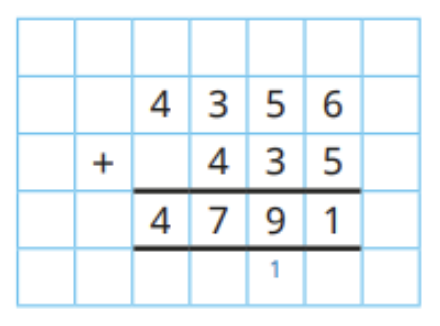
Children need to remember to exchange when the total in a column is 10 or more. For example, 8 + 6 = 14, so we write 4 in the ones column and exchange the 1 ten into the tens column. We then continue working carefully from right to left.
We have also been developing our understanding of exchanging when subtracting. For example:
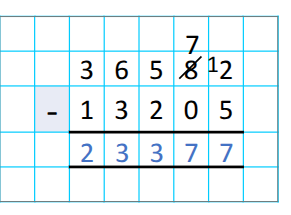
Here, children need to recognise when there are not enough ones or tens to subtract and exchange from the next place-value column. This is an important skill, and we are encouraging children to take their time, check each column carefully and use their knowledge of place value to explain what they are doing.
Alongside practising written calculations, the children have been applying their skills to real-life problems. They have been solving problems involving money, shopping, distances, populations and other situations where addition and subtraction are needed. This is helping them understand that written methods are not simply calculations on a page – they are useful mathematical tools that can be applied to everyday situations.
We are also encouraging children to estimate before calculating and check their answers afterwards. This helps them to decide whether their answer is sensible and to spot any mistakes they may have made.
A key focus throughout this unit is accuracy, presentation and mathematical reasoning. We want the children to be able to carry out the calculation correctly, but also explain why they have exchanged and how they know their answer is reasonable.
Please encourage your child to practise their addition and subtraction facts at home and, where possible, look for opportunities to use maths in everyday life – working out totals while shopping, calculating change or adding up distances are all great ways to reinforce what we are learning in school!
History:
This week in History, we continued our exciting learning about the Shang Dynasty, exploring one of the most fascinating sources of evidence historians have discovered from Ancient China – oracle bones.
The children learnt that oracle bones were used during the Shang Dynasty as part of divination ceremonies. These ceremonies were used by Shang kings and priests to ask questions about the future and seek guidance from the ancestors or gods. Questions could be about important matters such as harvests, the weather, warfare, hunting or whether a particular event would be successful.
We explored how these ceremonies may have taken place and thought carefully about what this can tell us about Shang society and their beliefs. The children considered why the Shang people might have believed that their ancestors could help answer important questions and how this reflects the role that religion and spirituality played in everyday life.
The children then became Shang Dynasty historians themselves! We explored symbols and characters uncovered by historians from real Shang oracle bones. The children investigated what these symbols represented and used them to help construct their own questions.
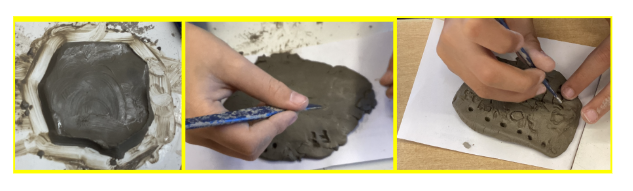
They then created their very own oracle bones using clay. Once their clay bones were ready, the children carefully carved their questions and symbols into the surface, just as the Shang people created inscriptions on animal bones and turtle shells thousands of years ago.
The practical activity gave the children the opportunity to think like historians and experience how difficult it would have been to create these inscriptions without modern tools. They also had to consider how clearly they could communicate an idea using a limited number of symbols.
Throughout the lesson, we discussed how artefacts such as oracle bones provide historians with valuable evidence about the past. The inscriptions found on genuine Shang oracle bones have helped historians learn about the people, beliefs, activities and concerns of Shang society. They are particularly important because they provide written evidence from this period, allowing us to learn directly from what the Shang people themselves recorded.
The children thoroughly enjoyed getting hands-on with history and were fascinated by the idea that something as small as a piece of bone or clay could provide clues about life thousands of years ago.
We will continue exploring the Shang Dynasty, using a range of historical evidence to piece together what life was like during this fascinating period of Ancient Chinese history.
Geography:
This week in Geography, we have been exploring the climate zones of the world and developing our understanding of how climates differ across our planet. The children have been learning that the Earth has several different climate zones, each with its own distinct characteristics.
We began by investigating the temperature, seasons, humidity and growing seasons associated with different climate zones. The children explored how these factors can vary significantly depending on where a place is located in the world. We considered why some areas experience consistently hot temperatures throughout the year, while others have much colder conditions and more noticeable seasonal changes.
The children also began to think about why different climate zones exist. We explored how the position of a place on Earth affects the amount of heat and sunlight it receives from the Sun. This helped the children understand why locations closer to the Equator generally experience warmer climates, while areas further towards the North and South Poles are much colder.
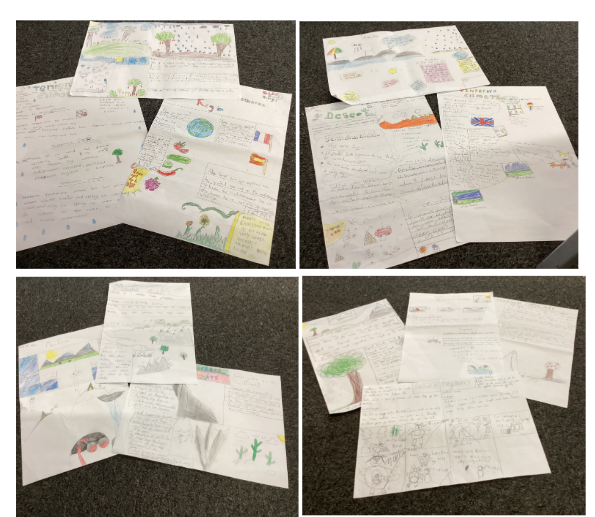
After building their knowledge, the children were challenged to apply what they had learned independently. They designed and created their own information posters and booklets about the different climate zones of the world. These included key facts, illustrations, maps, diagrams and examples to demonstrate their understanding.
The children worked hard to communicate geographical information clearly and creatively. They selected important information about each climate zone and considered how best to present it so that somebody unfamiliar with the topic could understand it.
This activity also provided an opportunity to develop important geographical skills, including using maps, organising information, identifying patterns and making links between different geographical features.
Update - Thursday 24th September 2026
English
We have now completed our unit based on The Boy at the Back of the Class. Throughout this unit, the children have explored the experiences of Ahmet and developed their understanding of themes including friendship, kindness, empathy and inclusion. They have thought carefully about the experiences that refugee children may face when arriving in a new country and considered how communities can help people to feel safe, welcome and supported.
To bring our unit to a close, the children wrote a persuasive letter to the Prime Minister. Their aim was to persuade the government to put more support in place for refugee children and families. They considered important areas such as housing, education and healthcare, using the ideas and issues explored through the book to support their arguments. The children worked hard to use persuasive language, rhetorical questions, emotive language and well-developed reasons to make their writing as convincing as possible. It has been fantastic to see them thinking beyond the classroom and considering how changes could make a positive difference to people's lives.
We have now begun our exciting new Black History Month 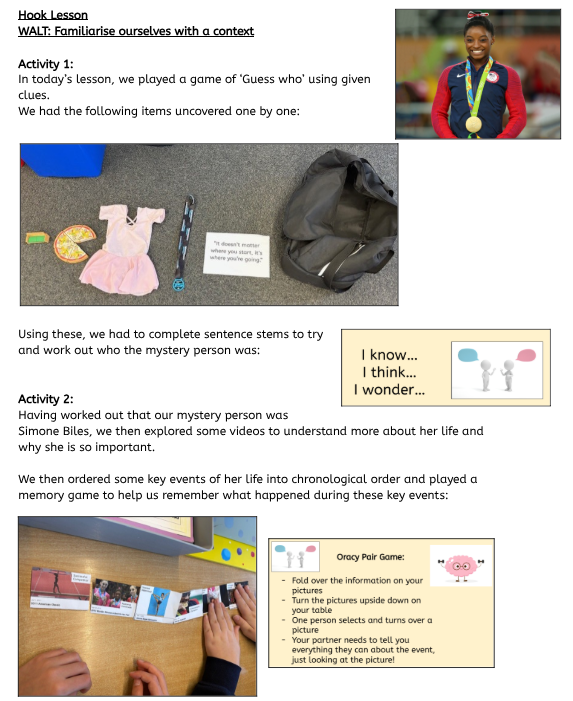 English unit, which focuses on the life and achievements of world-renowned gymnast Simone Biles. Our writing outcome for this unit will be a biography, and so far we have been exploring the key events in Simone's life to understand the background behind her incredible success.
Over the coming weeks, we will follow Simone's journey from her childhood and her first experiences with gymnastics through to her rise to international fame. We will explore how she developed her skills, continually challenged herself and pushed the boundaries of what was possible within her sport.
We will also look at some of the challenges Simone has faced throughout her career. In particular, we will explore her decision to step away from competition to prioritise her wellbeing and how she demonstrated resilience in returning to the sport. This will give the children opportunities to think about perseverance, determination, resilience and the importance of looking after our mental wellbeing.
As we progress through the unit, the children will gather information, organise key events chronologically and explore the features of a successful biography. They will then use everything they have learned to write their own biography celebrating Simone Biles' remarkable life, achievements and contribution to gymnastics.
History:
This week in History, we continued our Dynamic Dynasties – Shang Dynasty unit by exploring the fascinating Dig at Yinxu. We began by listening to a podcast which explained what happened at Yinxu, why the site was excavated and what archaeologists discovered there. This helped the children to understand how archaeological evidence can provide us with clues about people and life in the past.
The children then became archaeologists themselves and carried out their own replica dig! Working carefully, they uncovered a range of artefacts and investigated each discovery to try to work out what it might have been used for.
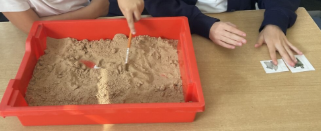
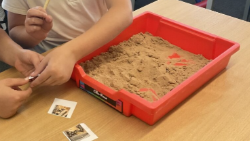
For each artefact, the children considered questions such as What material is it made from? What might it have been used for? Who might have used it? Why was it important? They then used their observations and historical knowledge to make inferences about what their discoveries could tell us about life during the Shang Dynasty.
It was fantastic to see the children becoming real historical detectives. Rather than simply being told about the past, they had to use evidence, ask questions, make predictions and justify their ideas. Through the activity, they developed a deeper understanding of how historians and archaeologists piece together evidence to build a picture of what life was like thousands of years ago.
The children particularly enjoyed the excitement of uncovering their artefacts and then working out what they could tell us about the Shang Dynasty. It was a brilliant hands-on way to bring our History learning to life!
Art:
In Art, the children have continued to make links with our Shang Dynasty History topic through our Maestro curriculum unit, which focuses on the fascinating designs of Taotie masks. We explored the meaning and features of Taotie, learning that these decorative designs were often found on ancient Shang bronze artefacts and were believed to have important symbolic meanings.
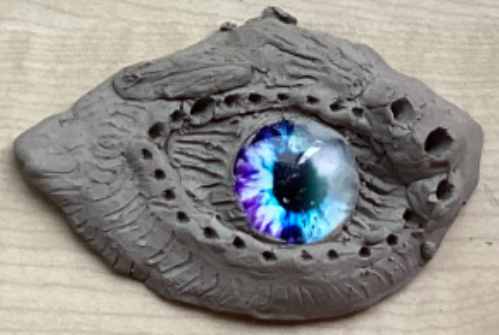
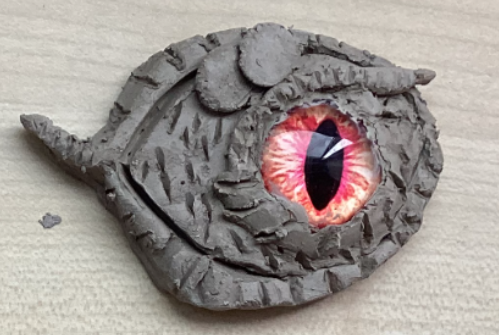
As part of our learning, the children developed their clay skills by exploring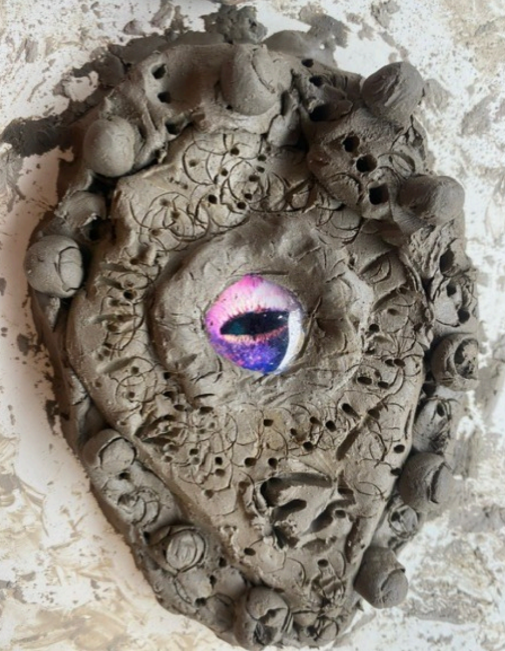 a range of techniques linked to the ‘4 Ss’: slip, score, smooth and shape. They practised these important skills carefully to help prepare them for creating their own final pieces.
Using a dragon eye as inspiration, the children manipulated and shaped clay to create detailed designs, applying the techniques they had learned during previous lessons. They experimented with adding texture, refining shapes and joining pieces of clay successfully using slip and score methods.
This practical activity allowed the children to build confidence in working with clay while also developing their understanding of how art can connect with history. Over the coming weeks, the children will use these newly acquired skills to design and create their own impressive Taotie masks, inspired by the art and culture of the Shang Dynasty.
It has been wonderful to see the children showing creativity, perseverance and great attention to detail as they develop both their artistic techniques and their knowledge of this fascinating period in history.
Update - Friday 18th September 2026
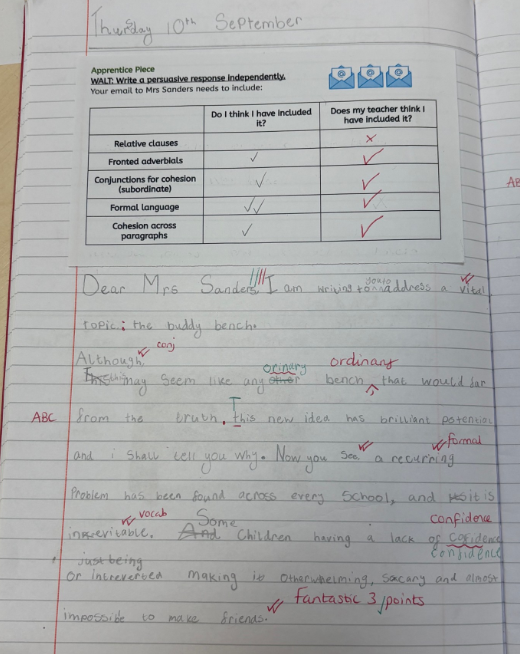
This week in English, Year 5 have been developing some of the key writing skills they identified and used in their Apprentice Pieces, before moving on to create their final piece of writing.
We began by exploring the impact of emotive language. The children watched a range of clips, explored different texts and listened to speeches, thinking carefully about how particular words and phrases can make an audience feel a certain way. They then had a go at creating their own emotive sentences, using powerful vocabulary to create a strong response from the reader.
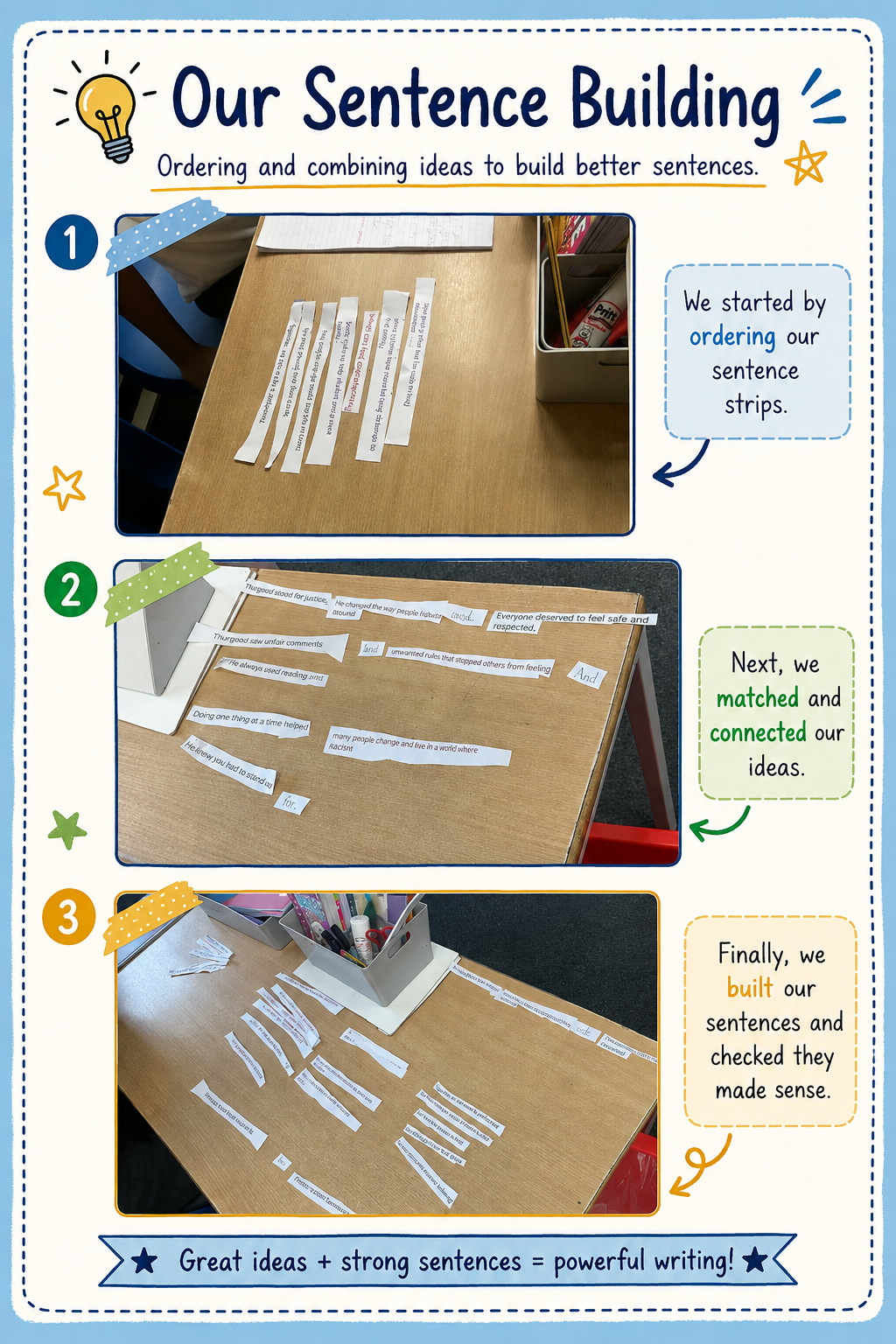
Next, we looked at how writers can manipulate sentences to make their writing as effective as possible. The children were given a range of sentence ingredients, including fronted adverbials, rhetorical questions, persuasive points and relative clauses. Their challenge was to piece these together to create fluent, complex sentences that clearly explained a point, expanded on an idea and gradually built up their writing.
The children really enjoyed our sentence-building challenge, experimenting with different ways of combining the ingredients and discussing which versions were most effective.
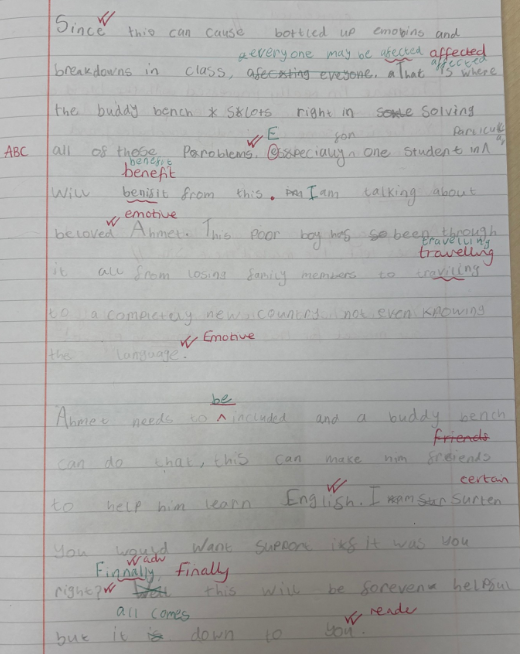
Below is an example of a fantastic Apprentice Piece, alongside some photographs from our sentence-building activity. We are looking forward to seeing how the children use these skills when they produce their final pieces!

In Geography this week, Year 5 have been developing their map-reading skills and building on their understanding of Ordnance Survey maps and four-figure grid references.
We introduced contour lines and explored how these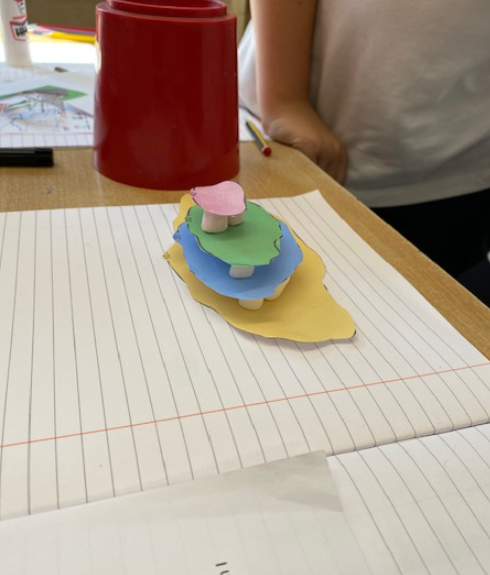 lines provide a two-dimensional representation of the height and shape of the land. The children investigated how contour lines can help us identify steep and gradual slopes, hills and mountain peaks when reading a map.
To really bring this idea to life, the children took part in a hands-on contour line challenge using marshmallows and templates! They used the marshmallows to recreate different landscapes and experimented with different gradients, helping them to understand why contour lines appear closer together on steep slopes and further apart on more gradual slopes.
The children then applied their new knowledge to Ordnance Survey maps, locating different features and using four-figure grid references to identify their positions.
It was fantastic to see the children getting hands-on with their learning and beginning to understand how a flat map can represent a three-dimensional landscape!
In Computing this week, Year 5 have been learning how to stay safe when using computers and technology. We followed the Kapow Year 5 Online Safety unit, which encourages children to become responsible, sensible and respectful digital users.
The children explored some of the ways we can protect ourselves and our personal information online. We discussed the importance of strong passwords, keeping personal information private and thinking carefully about what information we share with websites and apps. We also looked at app permissions and considered why an app might ask to access information such as photographs, contacts or our location.
The children also discussed what to do if something online makes them feel worried, uncomfortable or unsafe, including the importance of speaking to a trusted adult. We talked about making sensible choices and using good judgement when communicating and sharing information online.
It was great to see the children confidently sharing their ideas and beginning to think more critically about how they use technology. Our key message was simple: be safe, be smart and think before you click!
Update – Friday 11th September 2026
Maths – Place Value
We have been continuing our Maths learning by following the Place Value unit from White Rose Maths. The children have been developing their understanding of increasingly large numbers and, importantly, thinking carefully about the value of each individual digit within a number.
One of the areas we have explored is finding 10, 100, 1,000 and 10,000 more or less than a given number. This has encouraged the children to really consider what happens to each digit when we increase or decrease a number, rather than simply relying on written calculations. We have used a range of practical and visual representations to help us understand how numbers change when we move between different place-value columns.
We are now moving on to partitioning numbers according to place value. The children will be developing their ability to break larger numbers apart into thousands, hundreds, tens and ones, as well as exploring different ways that numbers can be partitioned. This is an important skill which will support lots of our future Maths learning.
Coming up, we will also be exploring rounding numbers to different degrees of accuracy. The children will learn how to round numbers to the nearest 10, 100, 1,000 and beyond, explaining how they know which way a number should be rounded.
We have been encouraging the children to explain their mathematical thinking and use accurate mathematical vocabulary. As always, the emphasis is not just on getting an answer, but on understanding why an answer is correct.
English – Persuasive Writing
We have been working on our persuasive writing skills through our class text, The Boy at the Back of the Class. The children have recently completed their own apprentice writing pieces, putting themselves into the world of the story and considering how the experiences of the characters might be improved.
Our writing task was to imagine that we were writing an email to Mrs Sanders, the Headteacher, persuading her to introduce a buddy bench in the school playground. The children had to think carefully about why a buddy bench could make a positive difference to pupils in their school.
To make their arguments convincing, we explored a range of persuasive devices. The children particularly enjoyed experimenting with rhetorical questions, thinking about how asking the reader a question can make them stop and consider an issue. They also used reasons, examples and emotive language to strengthen their arguments.
We made links to Ahmet, one of the central characters in the book, and considered how a buddy bench could have helped a child who might feel lonely, new or unsure about how to make friends. This gave the children a meaningful reason for their writing rather than simply persuading for the sake of completing a task.
The children have worked hard to make their writing sound convincing and appropriate for its intended audience. We have also continued to focus on sentence construction, vocabulary choices and making sure that our writing has a clear purpose.
It has been lovely to see the children developing confidence in expressing their own ideas and using writing to persuade others.
History – Dynamic Dynasties: Ancient China
In History, we have begun our new Dynamic Dynasties topic, focusing on the fascinating history of Ancient China.
Our first challenge has been to develop a clear understanding of chronology. The children have been learning about important events and periods in Ancient Chinese history and thinking carefully about where these fit on a timeline. We have discussed how historians use dates and evidence to help us put events in the correct order and why chronology is so important when studying the past.
We then took our learning off the page and into the world of drama! The children explored the story of The Yellow Emperor, using role play to help them understand some of the stories and traditions surrounding the beginnings of Ancient China.
The children were given the opportunity to act out parts of the story, take on different roles and use drama to explore historical ideas. This was a fantastic way of allowing them to engage with the past in a more memorable and active way. It also encouraged them to think about how people in the past might have behaved, communicated and understood the world around them.
Drama can be a brilliant tool for developing historical understanding because it encourages children to consider the perspectives of people from the past rather than simply remembering facts.
We will continue building our knowledge of Ancient China over the coming weeks, exploring the different dynasties, significant people, achievements and developments that have shaped this fascinating civilisation.
There is lots more to discover, and the children have already shown plenty of curiosity about what life was like thousands of years ago!

Spellings – Weekly Spelling Patterns
We have now started our new weekly spelling units. Rather than simply learning a long list of unrelated words, each week we will be focusing on a particular spelling pattern, rule or sound.
Each week, the children will be introduced to 10 focus words which follow the spelling pattern or rule we are studying. We will spend time looking carefully at these words, identifying what they have in common and exploring how the spelling pattern works.
The children will then have the opportunity to practise these words during the week. The 10 focus words will also be sent home so that children who would like to practise further and challenge themselves can work on them at home. There is absolutely no expectation that children need to spend a huge amount of time completing additional spelling work at home — the words are there as an opportunity for those who would like to consolidate their learning or push themselves further.
Rather than simply testing whether children can memorise a list of words, we want them to develop an understanding of why words are spelt in a particular way. Recognising patterns and applying spelling rules to unfamiliar words will help children become increasingly independent spellers.
On Fridays, we will revisit our focus words and look at the progress the children have made throughout the week. This gives us an opportunity to celebrate successes, identify words that may still need a little more practice and see how confidently the children can apply the pattern they have learnt.
We are looking forward to building up the children's spelling knowledge and helping them become more confident and independent with their written work.
Update – Friday 4th September 2026
We hope you have all had a lovely summer break and enjoyed spending time together over the holidays.
Welcome to Year 5! We have many exciting plans for the children this year, so stay tuned to this Year 5 group page on the website for weekly updates.
Our first week
We have already been so impressed with the way the children have come back to school and started to settle into their new classes. Although they are in the same classroom area as last year, they have stepped up their game and are adjusting well to the expectations set for Year 5. Every child has shown such a positive attitude towards their learning and their new class teachers, so we are already excited about the year ahead.
We began full steam ahead and the children have already kicked off many of their topics for the half-term. Here are a few we have already started:
Maths
This half-term we are focusing on place value. The children use a combination of White Rose maths alongside the teacher's own creative ideas and have already explored Roman numerals as well as the place value columns. This exploration will continue into next week.
English
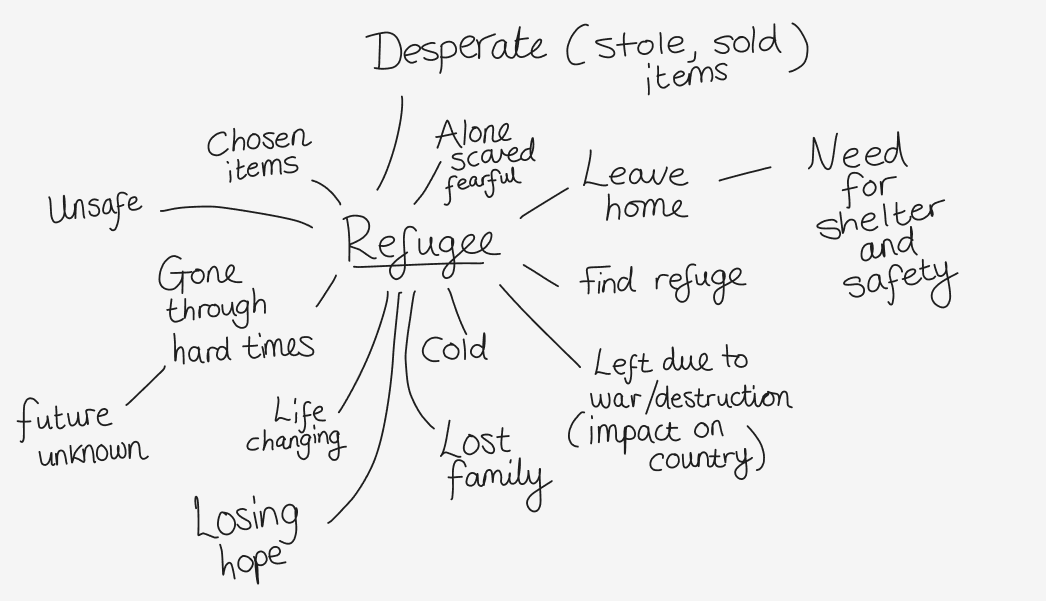
The children have started to read their new class book 'The Boy At The Back Of The Class', and we will be completing a writing unit alongside this. On our first day, we explored the term 'refugee'. A lonely chair sat at the front of the classroom when we first came back to school and on the chair, there sat a rucksack. Inside this rucksack, we uncovered a range of clues that helped us understand more about refugees.