Year 3
Welcome to Year 3!
2026-27
In Year 3, our teachers are Mr Cameron (Class 1), Miss Allen (Class 2) and Miss Ferguson (Class 3). We are also supported by our dedicated Learning Support Assistants (LSAs): Mrs Bridgeman and Mrs Bright.
If you have any questions, please get in touch with your child's teacher. If they are not around at pick-up, you can speak to them by phoning the school office and requesting an appointment.
Keep referring back to this page for regular updates about the children's learning.
Curriculum Newsletters
Year 3 Autumn 2 Curriculum Newsletter
Year 3 Autumn 1 Curriculum Newsletter
Update - Friday 23rd October 2026
What a fantastic first half term it has been in Year 3! The children have worked incredibly hard over the past seven weeks, settling into new routines, developing their independence and showing a wonderful attitude towards their learning. This week has been particularly rewarding as we have brought several of our topics to a close. In English, the children proudly completed their Anansi stories, while in History they reflected on everything they had discovered about life in prehistoric Britain. We have also continued developing our addition and subtraction skills in Maths and rounded off our Computing unit on computer networks. It has been lovely to see how much the children have grown in confidence since September, and we are very proud of everything they have achieved.
Maths
In Maths, the children continued their Addition and Subtraction unit, focusing on developing their written calculation skills. They explored how to add and subtract two-digit and three-digit numbers, using the formal column method to organise their calculations accurately. The children built on their understanding of place value, learning how to exchange between ones, tens and hundreds when needed. They also practised explaining their methods and checking their answers carefully. These lessons have helped the children develop greater confidence with written calculations, providing an important foundation for the more challenging addition and subtraction work ahead.
English
In English, the children reached the end of their Anansi narrative writing unit, bringing together all the storytelling and writing skills they had developed over the past few weeks. They completed the final part of their narrative, focusing on how Anansi’s plan to keep all the wisdom in the world came to an unexpected end. The children worked hard to include features such as conjunctions, adverbs and adverbial phrases to make their writing more detailed and engaging. To celebrate their achievements, they were then given the opportunity to produce a neat, published copy of the whole story, combining both parts of their narrative into one finished piece. It was wonderful to see the pride they took in presenting their work and how much their confidence as storytellers and writers has grown throughout the unit.
History
In History, the children reached the end of their From Stone to Iron project by reflecting on the important question, ‘How did life for the people of Britain change during the prehistoric period?’ Working in pairs, they used BBC Bitesize to revisit their learning about the Stone Age, Bronze Age and Iron Age, exploring how everyday life developed over thousands of years. The children considered how improvements in tools, weapons, farming, food and homes changed the way people lived and worked. They then brought their knowledge together by comparing the three prehistoric periods and explaining some of the most significant changes. It was a fantastic opportunity for the children to demonstrate how much they had learnt throughout the topic and reflect on their journey through prehistoric Britain.
Computing
In Computing, the children have spent this half term exploring computer networks and how they help us communicate and share information. They learnt about the different components of a network, including routers, servers and wireless access points, and how these work together to connect devices. The children also discovered how the internet connects networks around the world and how information, such as websites and videos, is transferred between computers in small pieces called packets. This has helped them develop a better understanding of the technology we use every day.
We would like to thank all our Year 3 families for their continued support throughout this first half term. The children have made a brilliant start to the school year, and we hope they are looking forward to a well-deserved break! We wish you all a happy, relaxing and enjoyable half term, with plenty of opportunities to rest, recharge and spend time together. We look forward to welcoming everyone back after the holiday, ready for another exciting half term of learning!
Update - Friday 16th October 2026
It has been another busy and rewarding week in Year 3, with the children continuing to impress us with their enthusiasm, hard work and growing confidence. This week, we have seen some important milestones in our learning, including completing our Sunlight and Shadows topic in Science and our first RE unit on Symbols. In English, the children have been busy developing their storytelling skills through our Anansi unit, while in Maths they have continued to tackle increasingly challenging addition and subtraction calculations. It has been lovely to see the children becoming more independent, taking pride in their work and showing determination when faced with new challenges. We are really pleased with the progress they are making as we approach the end of our first half term together.
Science
In Science, the children reached the end of their Sunlight and Shadows topic by revisiting and consolidating everything they had learnt over the past few weeks. They recapped the difference between light and darkness, explored how light travels in straight lines and identified materials that are reflective and non-reflective. The children also revisited how shadows are formed, explaining why they appear on the opposite side of an object to the light source. They used their knowledge of opaque, translucent and transparent materials to explain why some objects create darker shadows than others. Finally, they reflected on the importance of Sun safety, bringing together their scientific understanding from across the unit.
Maths
In Maths, the children continued developing their understanding of addition and subtraction, building on their knowledge of place value and mental calculation strategies. They explored how to add and subtract across tens and hundreds, using their understanding of number relationships to help them solve increasingly challenging calculations. The children used practical resources, number lines and mental strategies to support their learning, with a particular focus on explaining their methods and developing confidence when working with three-digit numbers.
How you can help at home: We would really encourage parents to spend a few minutes regularly practising number bonds to 10 and 20, alongside simple mental addition and subtraction. Being able to recall these facts quickly and confidently, without relying on counting on fingers, makes a huge difference as children begin tackling more complex calculations. Even a few quick questions during everyday activities can help strengthen their fluency and confidence in Maths.
English
In English, the children continued their Anansi narrative writing unit, bringing together the skills they had developed to write the first part of their own story retell. This apprentice piece focused on Anansi’s plan to collect all the wisdom in the world and his search for somewhere to hide his precious pot. The children then learnt how to proofread and edit their writing, checking carefully for spelling, punctuation and grammatical errors. Later in the week, they returned to oral storytelling, using actions and rehearsal to memorise the second part of the story. Finally, they explored how subordinating conjunctions, including because, when and if, can help join ideas and add further detail to their sentences. These activities helped prepare the children for writing the final part of their Anansi narrative.
RE
In RE, the children completed their unit exploring trees as symbols, bringing together everything they had learnt about the deeper meanings that trees can represent. Throughout the unit, they explored how trees are important in Christianity and considered how they can symbolise ideas such as life, growth, strength and hope. In their final lessons, the children reflected on their learning and considered how their understanding of symbols had developed since the beginning of the unit. They shared their own thoughts and ideas, recognising that symbols can hold different meanings for different people. This provided a thoughtful conclusion to our first RE unit of the year.
Update - Friday 9th October 2026
It has been another busy and productive week in Year 3, with the children showing lots of enthusiasm and growing independence across their learning. From becoming historical investigators and uncovering clues about the mysterious Amesbury Archer to testing sunglasses in our practical Science investigation, there have been plenty of opportunities for the children to ask questions, work collaboratively and think carefully about evidence. They have also continued developing their storytelling skills through our Anansi unit and produced some wonderfully colourful work in Art. It has been lovely to see the children approach each new challenge with such a positive attitude and continue building their confidence across the curriculum.
In Science, the children continued their Sunlight and Shadows topic by investigating the question, ‘Do all sunglasses protect our eyes?’ They revisited their learning about ultraviolet (UV) light and why protecting our eyes from the Sun is important, even on cloudy days. Working in groups, the children carried out a fair test using UV-reactive beads to investigate how effectively different sunglasses blocked UV light. They observed and compared the colour changes before ranking the sunglasses according to the protection they provided. The children then discussed their results, considered how they could make their investigation more accurate and reinforced the important message that we should never look directly at the Sun, even when wearing sunglasses.
In Maths, the children continued their Addition and Subtraction unit, building on their understanding of place value and known number facts. They practised adding and subtracting ones, tens and hundreds from three-digit numbers, thinking carefully about which digits change and which remain the same. The children used a range of representations and mental strategies to help them spot patterns and make connections between calculations. This work has helped to strengthen their confidence and prepare them for more complex addition and subtraction calculations as the unit progresses.
In English, the children continued exploring the traditional Anansi story, with a particular focus on the importance of oral storytelling and how stories have been passed between generations. They used actions and oral rehearsal to help memorise and retell the story before developing some of the writing skills they will need for their own narrative. The children practised using the coordinating conjunctions and, but and so to join and expand their ideas, before exploring how adverbs and adverbial phrases can add extra detail to their sentences. Towards the end of the week, they began planning the first part of their own Anansi narrative retell, using key vocabulary and ideas from the story to organise the opening and build-up.
In History, the children became historical investigators as they explored the fascinating question, ‘Who was the Amesbury Archer?’ Working in pairs, they examined a range of evidence about a Bronze Age man whose burial was discovered near Stonehenge. The children used the evidence to distinguish between facts that could be proven and assumptions that historians might make when evidence is limited. They then brought their findings together to build a picture of who the Amesbury Archer might have been and considered how reliable archaeological evidence can be when helping us understand life in prehistoric Britain. This was a fantastic opportunity for the children to think and work like real historians.
In Art, the children continued their Colour Masters project by building on the colour collections they had created in previous lessons. They revisited the colours they had carefully mixed and recorded before choosing a pattern to develop into their own colourful design. Using their colour collections as inspiration, the children made thoughtful choices about where to place different colours and used fine brushes to paint carefully within the lines. They focused on accuracy, control and presentation, taking their time to produce a high-quality finished piece that showcased their developing colour-mixing and painting skills.


Update - Friday 2nd October 2026
It has been another fantastic week in Year 3, with the children continuing to work hard and approach their learning with enthusiasm. This week has seen them complete some important pieces of learning, including finishing their first English writing unit and completing their work on place value in Maths, while also beginning to explore some exciting new areas. From investigating the fascinating Snettisham Hoard in History to experimenting with fabrics and textures in Art, there has been plenty of variety across the curriculum. We continue to be really pleased with the children’s positive attitudes, growing independence and willingness to challenge themselves
Science
In Science, the children continued their Sunlight and Shadows topic by exploring the important question, ‘How can we keep safe in the Sun?’ They began by revisiting why the Sun is essential for life on Earth before considering how sunlight can also be harmful to humans. The children were introduced to ultraviolet (UV) light and discussed different ways we can protect ourselves when spending time outside. Using a selection of sun-safety objects as clues, they considered how items such as sun cream, hats and sunglasses can help protect our bodies. They also explored the meaning of SPF (Sun Protection Factor), developing their understanding of how we can enjoy the benefits of sunlight while keeping ourselves safe
Maths
In Maths, the children completed their Place Value unit, consolidating their understanding of how to compare and order numbers to 1,000 and developing their confidence with counting in 50s. They then moved on to their new Addition and Subtraction unit. In the first lesson, the children revisited their number bonds within 10 and explored how these known facts can help them solve related calculations involving larger numbers. This gave them a strong foundation as they begin developing their addition and subtraction skills over the coming weeks.
English
In English, the children reached the end of their instructional writing unit and had the opportunity to bring together all of the skills they have developed over the past few weeks. They began by carefully planning their final piece, thinking about the equipment or ingredients they would need and organising their instructions into a clear sequence. The children then wrote their final instructions, applying features such as imperative verbs, time conjunctions, expanded noun phrases, adverbs and adverbial phrases to make their writing clear and detailed. Finally, they completed an editing lesson, rereading their work carefully and making improvements to spelling, punctuation, vocabulary and sentence structure. It was fantastic to see the children taking pride in their finished pieces and demonstrating how much they have learned throughout the unit.
In History, the children continued their From Stone to Iron project by investigating the fascinating Snettisham Hoard. They examined pictures of some of the objects discovered in the hoard and used their observation skills to think like archaeologists, considering what these artefacts might tell us about life in Iron Age Britain. The children discovered more about the hoard and explored what the objects reveal about the skills, wealth and beliefs of Iron Age people. They then used evidence from the artefacts and information they had gathered to answer questions and explain what the Snettisham Hoard can teach us about the past.
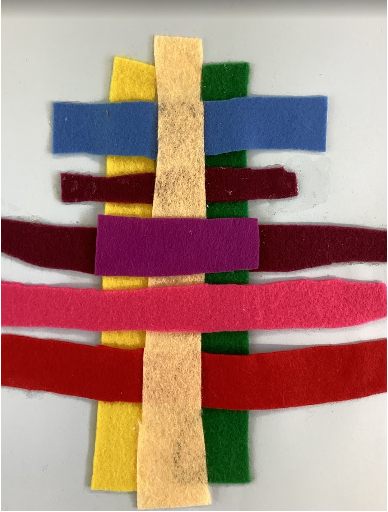
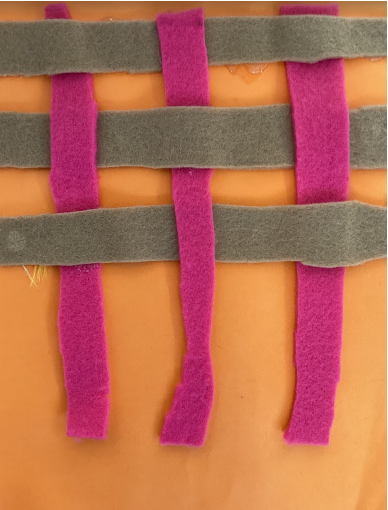
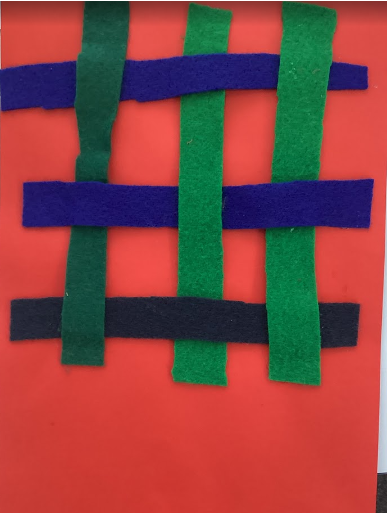
In Art, the children explored textile art, learning how artists can use materials such as fabric, thread and wool instead of paint to create artwork. They looked at the work of textile artists including Faith Ringgold, Anni Albers and Michael Brennand-Wood, noticing how they use techniques such as stitching, weaving, layering and overlapping to create patterns and textures. Textile Art - Develop lesson 4 Textile Art - Develop lesson 4 The children then experimented with their own selection of fabrics, threads and yarn, applying their previous learning about colour theory, contrast and texture. They explored different ways of arranging and layering their materials, including weaving, sunburst designs and crossed-thread patterns, before creating their own textile artwork.



Update – Friday 25th September 2026
Year 3 has been another busy and enjoyable week, with the children continuing to impress us with their enthusiasm, curiosity, and positive attitude towards their learning. From practical investigations in Science and historical enquiries into the Iron Age to developing their writing skills in English, the children have worked hard and shown fantastic teamwork and independence. We are very proud of their continued efforts and hope that everyone enjoys the extra day off this weekend and has a lovely, well-earned break!
In Science, the children continued their Sunlight and Shadows topic by investigating how shadows can change. Working with a partner, they completed a series of practical challenges using a torch and an object, with the rule that they could only move the light source. They explored how to make a shadow longer, shorter, bigger, smaller and change direction, making predictions before testing their ideas. Through their investigation, the children discovered patterns in how the position of a light source affects a shadow, including that a higher light source produces a shorter shadow, while a lower light source produces a longer one. They then recorded and discussed their observations using scientific vocabulary.
In Maths, the children continued their place value unit by developing their understanding of numbers up to 1,000. They learned to estimate numbers on a number line, using known points and intervals to help them make sensible estimates. The children then explored how to compare objects and numbers, using their knowledge of hundreds, tens and ones alongside the symbols <, > and =. These lessons encouraged the children to explain their reasoning and use their growing understanding of place value to justify how they knew one number was greater than, less than or equal to another.
In English, the children continued developing the skills needed for their instructional writing. They explored how adverbs can explain how an action should be completed, before moving on to adverbial phrases, which can give the reader useful information about how, where or how long to complete a step. The children then brought together all of the features they have learned so far in a shared writing lesson, creating clear instructions for how to brush your teeth. This gave them an opportunity to practise using numbered steps, time conjunctions, imperative verbs, expanded noun phrases, adverbs, conjunctions and adverbial phrases effectively. Next week, the children will plan and write their final instructional piece, where they will have the opportunity to showcase everything they have learned throughout the unit.
In History, the children continued their From Stone to Iron project by becoming historical investigators and exploring everyday life during the Iron Age. Working in groups, they each focused on a different enquiry: inventions and ingenuity, homes and hillforts, Celtic warriors, or farming. The children examined information and evidence, discussed what it revealed and identified their most important discoveries before sharing these with the class. They then compared life in the Iron Age with the Bronze Age, considering what had changed and why these developments were important. Through their enquiries, they discovered how stronger iron tools and weapons, protected hillforts and improvements in farming helped to change the way people lived and worked.
Update – Friday 18th September 2026
Year 3 has had another busy and enjoyable week, with the children continuing to settle confidently into their new routines and showing great enthusiasm for their learning. This week has brought plenty of hands-on learning, from bringing Bronze Age Britain to life through drama and experimenting with colour mixing in Art to investigating shadows in Science. It has been lovely to see the children work collaboratively, ask thoughtful questions, and become increasingly confident in sharing their ideas. We have been really pleased with the positive attitude they continue to show as they tackle new challenges across the curriculum!
In Science, the children continued their Sunlight and Shadows project by investigating how shadows are formed. They learnt that a shadow forms when an object blocks light, and explored how opaque, translucent, and transparent materials produce different types of shadows. Working practically with torches and a range of objects, the children tested and sorted materials according to the shadows they created. They also explored where shadows appear in relation to a light source and discovered that shadows move when the light source changes position.
In Maths, the children continued developing their understanding of place value. They explored the relationship between hundreds, tens and ones, using their knowledge of partitioning to understand how three-digit numbers are composed. The children then investigated how numbers change when finding 1, 10 or 100 more or less, paying close attention to which digits change. Finally, they began using number lines up to 1,000, identifying and placing numbers accurately by using their understanding of intervals and place value.
In PSHE, the children continued their Being Me in My World learning by revisiting the Zones of Regulation and considering how different situations can affect our emotions. Building on last week’s ‘nightmare school’, the children worked together to create their own ‘dream school’, thinking about what would help everyone to feel safe, valued, happy and ready to learn. They compared their dream and nightmare schools before discussing the rights and responsibilities we all share within our school community. This helped the children understand why agreed rules, courtesy and respect are so important in creating a positive environment where everyone can learn and thrive.
In Art, the children continued their Colour Masters project by looking more closely at how artists use different types of colour within their work. They selected a painting to study and carefully identified the colours the artist had chosen. The children then developed their practical colour-mixing skills, experimenting with paint to recreate colours they could see in the original artwork and recording their mixtures in their sketchbooks. At the end of the lesson, they reflected on their work, discussing which colours had been more challenging to create and how they adapted their mixtures to achieve a closer match.
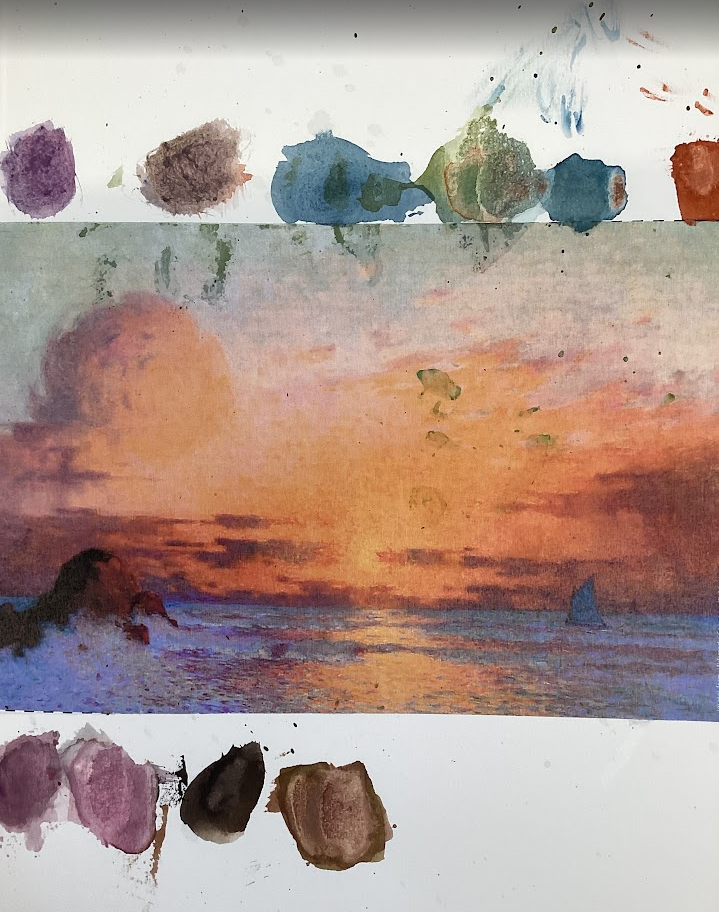
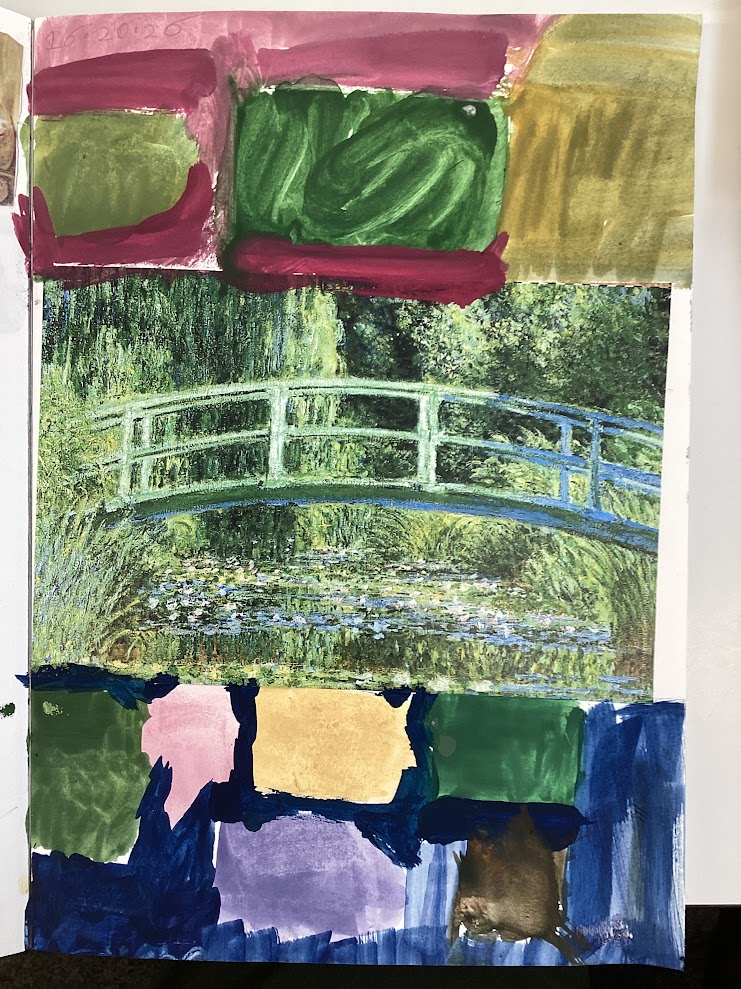
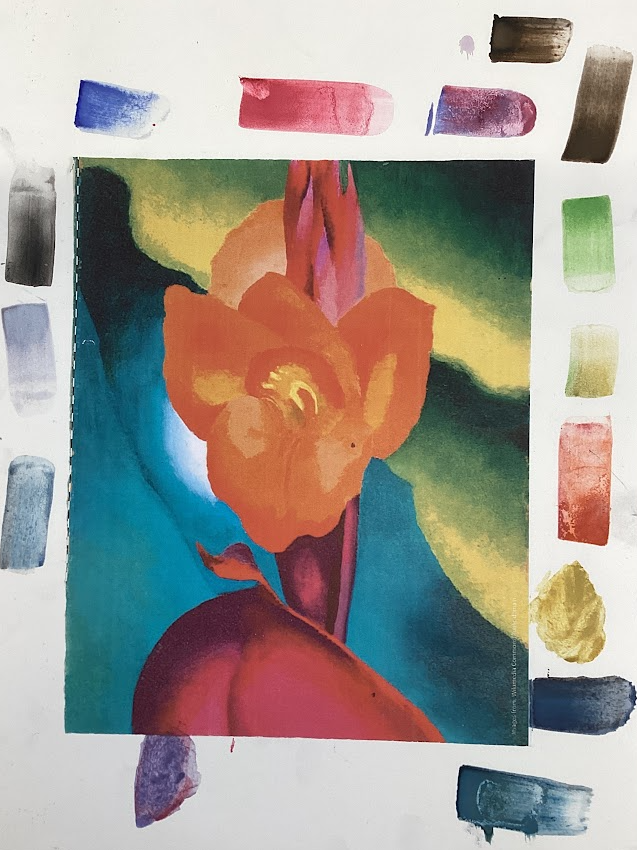
In History, the children continued their From Stone to Iron project by exploring everyday life during the Bronze Age. They discovered more about Bronze Age homes, farming, food, crafts and the lives of different people within their communities. The children then worked collaboratively to bring their learning to life through drama, acting out scenes such as a family cooking in a roundhouse, people farming, craftspeople making wooden boats and a powerful chief displaying their wealth. Afterwards, they reflected on what their performances had taught them and began comparing Bronze Age life with life in the Stone Age, identifying some of the important changes that had taken place.
Update – Friday 11th September 2026
Year 3 has had another busy and exciting week, with the children continuing to settle brilliantly into their new routines and showing lots of enthusiasm for their learning. They have enjoyed getting stuck into several of their new topics, from becoming history detectives and exploring prehistoric Britain to investigating colour in Art. Across the curriculum, it has been lovely to see the children working together, sharing their ideas and growing in confidence. We have been really impressed with the positive start they have made and are looking forward to another exciting week ahead!
In English, the children continued their instructional writing unit inspired by George’s Marvellous Medicine. They explored how determiners can make ingredients clear and specific before learning to create detailed expanded noun phrases using the DAAN structure (Determiner, Adjective, Adjective, Noun). The children then investigated time conjunctions and imperative ‘bossy’ verbs to help organise instructions clearly and in the correct order. At the end of the week, they brought these skills together in their apprentice piece, writing their own wonderfully gruesome instructions for making a poisonous pie!
In Maths, the children continued their work on place value, developing their understanding of three-digit numbers. They explored hundreds and learnt that 10 tens are equivalent to 1 hundred, before using practical resources and place value charts to represent numbers up to 1,000. The children then developed their understanding of hundreds, tens and ones, learning how to partition three-digit numbers and recognise the value of each digit. They also began exploring different ways that numbers can be partitioned, helping to deepen their understanding of how numbers are composed.
In PSHE, the children continued their Being Me in My World learning by thinking about their emotions and revisiting the Zones of Regulation. They considered how different situations might make them feel before imagining what a ‘nightmare school’ might be like if there were no adults to help, no break or lunchtime, and no rules to keep everyone safe. Working in teams, the children created their own nightmare schools and discussed how these would make them feel. This helped them appreciate why rules, routines and trusted adults are so important for helping us to feel safe, happy and ready to learn at school
In Art, the children continued their Colour Masters project by exploring how different artists use colour in their work. They looked closely at pairs of paintings, discussing their similarities and differences and using artistic vocabulary to explain how colour had been used to create different effects, moods and feelings. Working with a partner, the children then chose artworks to study in more detail, applying their developing understanding of colour theory to compare and evaluate them. They recorded their ideas in their sketchbooks before sharing and discussing their findings as a class.
In History, the children began their exciting new From Stone to Iron project, which will explore how life in prehistoric Britain changed from the Stone Age through to the Iron Age. To launch the topic, the children became history detectives, examining images of prehistoric artefacts and thinking carefully about what these objects could tell us about people’s lives in the past. We also celebrated the fantastic history homework completed over the summer by bringing the whole year group together for a prehistoric artefact exhibition. The children had the opportunity to explore each other’s creations, share what they had discovered and admire the creativity and effort that had gone into them. It was a brilliant way to bring our new history topic to life!
Update – Friday 4th September 2026
A very warm welcome back to everyone after the summer holidays! We hope you all had a wonderful break and enjoyed plenty of time to relax and recharge. It has been fantastic to welcome the children into Year 3 and see them settling so positively into their new classes and routines. They have made a brilliant start to the new school year, approaching their learning with enthusiasm and beginning to build new friendships and relationships with the adults around them. We are really looking forward to an exciting year ahead and all the learning, experiences and memories we will share together.
English
This week in English, the children began our new unit on instructional writing, inspired by George’s Marvellous Medicine. We started with a fun practical activity where the children had to give their class teacher instructions for making a jam sandwich! The teachers followed the children’s initial instructions exactly as they were given, which resulted in a few funny mistakes and some rather unusual sandwiches! This helped the children quickly discover why instructions need to be clear, detailed and given in the correct order. They then worked together to improve their instructions so that the jam sandwich could be made successfully.
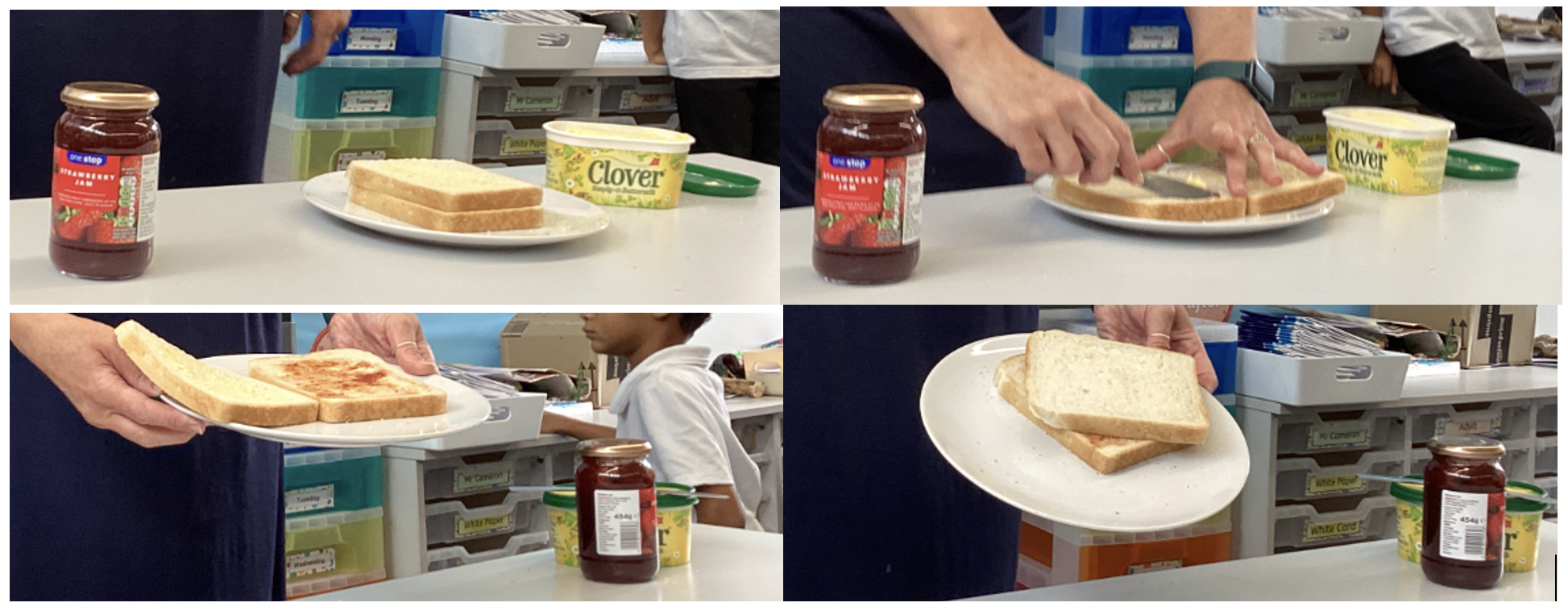
Following our potion experiment, the children explored the key features of instructional writing by reading and annotating a model set of instructions. They identified features such as a clear title, a list of what is needed, time words and imperative (bossy) verbs. Finally, the children began looking more closely at ingredients lists and learnt how determiners can help us be more precise about how much or how many of each ingredient is needed.
Maths
In Maths, the children began their first unit of the year on place value. They started by revisiting their understanding of tens and ones before beginning to explore hundreds and how three-digit numbers are made. The children used practical resources and place value representations to recognise the value of each digit and explored different ways of partitioning numbers into hundreds, tens and ones. These first lessons have provided an important opportunity to revisit previous learning while beginning to build the strong place value understanding that will underpin much of our Maths work this year.
PSHE
This week in PSHE, the children began by exploring the Zones of Regulation, discussing different emotions and making links to the Colour Monster characters. We then focused on pride and achievements, with the children sharing things they feel proud of. Finally, we discussed what a goal is and each child recorded a personal goal they would like to achieve during Year 3 in their PSHE journal.
RE
In RE, the children began their new unit exploring trees as symbols. During the first Communicate stage of the learning cycle, they thought about their own experiences of trees and used their senses to consider what trees look, feel, sound and smell like. The children shared their ideas and discussed the different feelings and thoughts that trees can inspire, beginning to explore how something familiar from the natural world can have a deeper meaning and be used as a symbol. This provided a thoughtful starting point for the children’s learning and will lead into exploring the significance of trees within Christianity as the unit develops.