Art
Curriculum Leaders: Laura Oswald, Katie King and Ben Tagarsi
Mrs Oswald, Miss King and Mr Tagarsi are our art leaders and are responsible for this curriculum area. This means ensuring we teach an ambitious curriculum, supporting our teachers to implement our curriculum through high-quality lessons and checking that lessons are helping our children to know more, remember more and do more.
Purpose of study
Art, craft and design embody some of the highest forms of human creativity. A high-quality art and design education should engage, inspire and challenge pupils, equipping them with the knowledge and skills to experiment, invent and create their own works of art, craft and design. As pupils progress, they should be able to think critically and develop a more rigorous understanding of art and design. They should also know how art and design both reflect and shape our history, and contribute to the culture, creativity and wealth of our nation.
Aims
The national curriculum for art and design aims to ensure that all pupils:
- produce creative work, exploring their ideas and recording their experiences
- become proficient in drawing, painting, sculpture and other art, craft and design techniques
- evaluate and analyse creative works using the language of art, craft and design
- know about great artists, craft makers and designers, and understand the historical and cultural development of their art forms.
Intent
We are setting out to help our pupils be ...
- Skillful - Children become proficient with a diverse range of skills and techniques.
- Excited - Children love to produce creative artwork and explore their own ideas.
- Resilient - Children are resilient and enjoy art even when it is not perfect.
- Cultured - Children learn about great artists from a variety of cultures throughout history and in the world today.
Implementation
We will do this by ensuring ...
- A variety of experiences - Children gain real-life experiences through visitors and trips.
- Children have a broad and balanced curriculum - A broad and exciting curriculum that is engaging for children.
- Giving children time - Allow children time to make and explore without expectations first.
- Children have a broad and balanced curriculum - Content is taught progressively, looking at different artists in each year group.
Impact
We will have made a difference when ...
- Children value the arts - Children see value in the arts and see artistic careers as viable options.
- Children enjoy the arts - Children enjoy their art learning and are proud of what they can produce.
- Children are brave - Children are free to make mistakes and try new ideas.
- Children can show what they know - All children are taught a varied curriculum and show a clear understanding of threshold concepts.
Our children will be taught to...
Year R
-
In Reception Year, children are encouraged to engage in a variety of art activities to develop their creativity and explore the world around them. They are given access to a range of materials, tools and techniques that are safe and appropriate for their age group.
-
The aim is for children to experiment with these materials, tools and techniques in order to learn about colour, design, texture, form and function. This helps to develop their fine motor skills, hand-eye coordination and their understanding of spatial relationships.
-
As they work, children are encouraged to talk about their creations, explaining the process they have used. This helps to develop their communication and language skills, as well as their ability to think critically about their work.
-
When it comes to sharing their creations, children are given the opportunity to display them in the classroom or to take them home to show their families. This helps to build their confidence and pride in their work, as well as providing a sense of accomplishment.
Key Stage 1
In Year 1, children will develop their creativity and artistic skills by exploring colour, printing, pattern and three-dimensional artwork. They will begin by learning about basic colour theory, identifying primary and secondary colours and experimenting with colour mixing. Children will then explore collagraph printing, using different materials and textures to create motifs and produce single and repeated prints. Later in the year, they will study artwork inspired by streets and buildings, including the colourful work of James Rizzi, exploring his use of pattern, bold colour and exaggerated shapes before designing and creating their own 3D mural. Across the year, children will have opportunities to experiment with a range of techniques, develop their ideas and create their own imaginative finished pieces.
Throughout Year 2, children will build on the artistic knowledge and skills developed in Year 1, extending their understanding of colour, printmaking, form and composition. They revisit colour theory from the Year 1 Colour Creators unit, developing greater confidence in using the colour wheel, identifying primary and secondary colours and mixing colours purposefully in their own artwork. In Floral Forms, children build on their earlier experience of printing, pattern and texture from Year 1 Press, Print and Pattern, while also extending their understanding of 3D form through drawing, printmaking and working with materials such as paper and clay. Later in the year, Creative Collections develops the observational and compositional skills introduced through Year 1 Bright and Busy Streets. Children study significant still-life artists and explore how colour, shape and arrangement can be used to create impact before planning and producing their own still-life compositions. Across the year, children become increasingly confident in selecting techniques and materials, observing carefully and applying previously learnt skills in more purposeful and independent ways.
Lower Key Stage 2
|
|
|
|
|
|
|
|
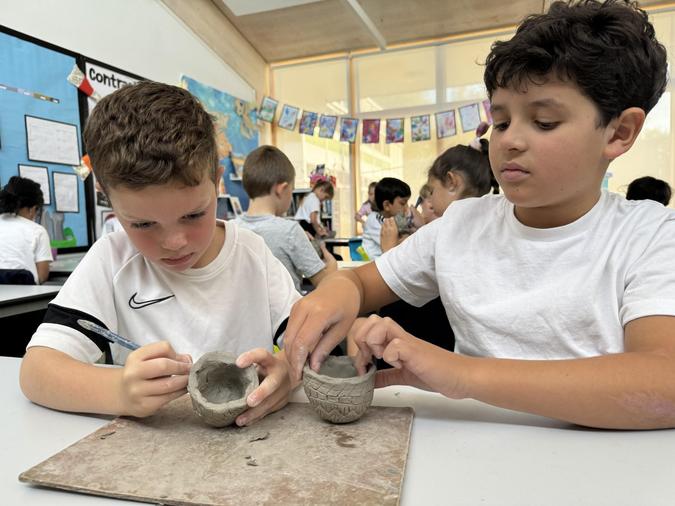
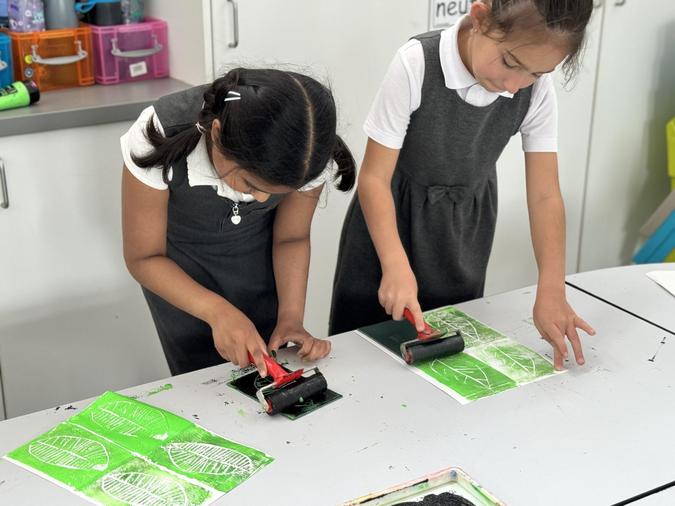
In Year 4, children develop more specialised techniques in drawing, painting, printmaking and sculpture. They explore ways in which ancient cultures have influenced art and crafts by studying, for example, medieval weaving techniques and the religious significance of Islamic art.
|
|
|
Upper Key Stage 2
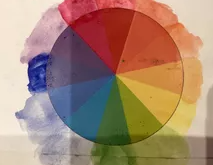
Upper Key Stage 2 In Upper Key Stage 2, each autumn term begins with the colour project Tints, Tones and Shades. Teaching these projects in Years 5 and 6 enables children to build on their previous understanding of colour theory and develop further expertise with colour by studying tonal variations and more complex colour charts.
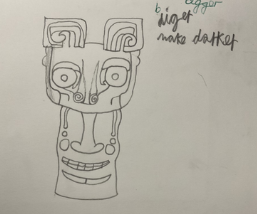
In Year 5, children develop and combine more complex artistic techniques in a range of genres, including drawing, painting, printmaking and sculpture. Children continue to build on their understanding of other historical periods and cultures by studying the ancient Chinese art form of taotie and the significance of the Expressionist movement.
|
|
|
|
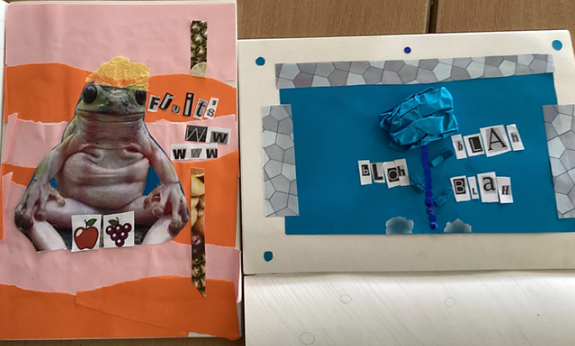
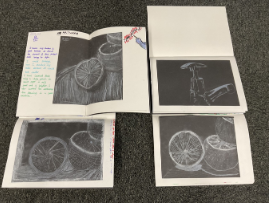
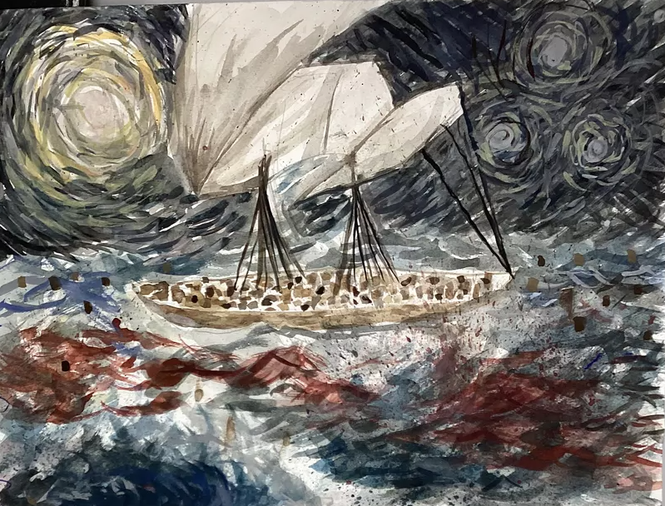
In Year 6, children are encouraged to work more independently in projects like Environmental Artists and Distortion and Abstraction. Such projects require them to consider more conceptual representations of personal, environmental, social or political messaging. Children explore diversity in art by studying the projects Inuit and Trailblazers, Barrier Breakers.
|
|
|
|
Units of Learning
Year 1
Year 1 - Autumn 2Colour Creators During this project, children will learn about basic colour theory by studying the colour wheel and colour mixing. They explore primary and secondary colours and how artists use colour in their artwork. |
|
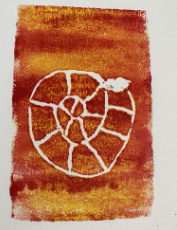
Year 1 - Spring 2Press, Print and Pattern During this project, children learn about collagraph printing, including how to develop a motif and use it to create single and repeated prints. They explore a range of textures and materials to build their printing plates and experiment with different effects before producing their own finished collagraph artwork. |
|
Year 1 - Summer 1Bright and Busy Streets In this project, children learn about artwork that depicts streets and buildings, focusing on the vibrant, playful style of American pop artist James Rizzi. Children explore his use of colour, pattern and exaggerated forms before creating their own 3D mural inspired by his work. |
Year 2
Year 2 - Autumn 1Colour Quest During this project, children explore colour theory by studying the colour wheel, experimenting with colour mixing and learning about primary and secondary colours, before applying their understanding creatively in artwork. |
|
Year 2 - Spring 2Floral Forms During this project, children learn about the visual elements of flowers, including shape, texture, colour, pattern and form. They explore a range of artistic techniques, such as drawing, printmaking and creating 3D forms, using materials like paper and clay. Through this work, children develop their observational skills and learn how artists use different methods to represent natural forms. |
|
Year 2 – Summer 1Creative Collections During this project, children learn about the work of significant still-life artists and the techniques used in still-life art. They explore a wide variety of still-life compositions, learning how artists use colour, shape, and arrangement to create impact. Children then apply these skills by creating their own still-life setups and artwork. |
Year 3 - We are currently updating these units over the year 2026/27
Year 3 - Autumn 1Colour Masters During this project, children learn about the foundations of colour theory, exploring how artists use colour to create impact, mood and meaning. They will study how contrasting colours work together and experiment with capturing colours seen in existing artworks. Through practical activities, children will apply their understanding of colour theory to create textile art and develop their own imaginative compositions. By reflecting on their finished pieces, they will evaluate how successfully they have used contrasting colours and colour theory to enhance their artistic intentions. |
|
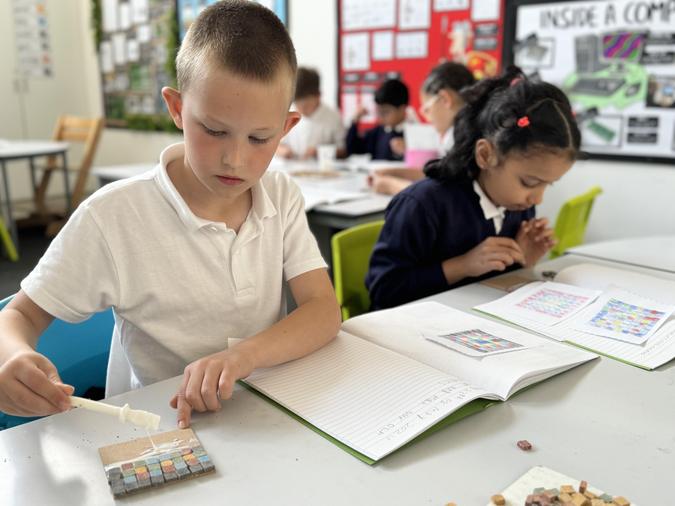
Year 3 - Spring 2Masters of Mosaic
|
|
Year 3 - Summer 1Plant Patterns
|
Year 4 - We are currently updating these units over the year 2026/27
Year 4 - Autumn 2The Power of Colour During this project, children learn how warm and cool colours are created, mixed and used by artists to create contrast, depth and atmosphere. They explore how colour choices can evoke different feelings, study examples from Aboriginal art and Vincent van Gogh, and apply their understanding through practical artwork. Children refine, discuss and evaluate their work, making thoughtful decisions about colour to enhance meaning and impact. |
|
Year 4 - Spring 2Animals in Art
|
|
Year 4 - Summer 1Designs of the Islamic World
|
Year 5
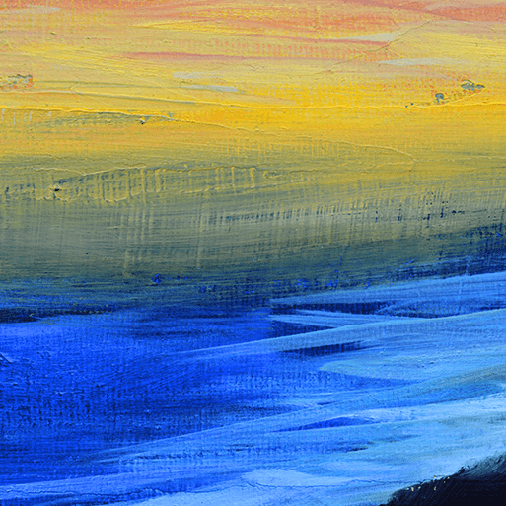 |
Year 5 - AutumnColour in Landscapes This essential skills and knowledge project teaches children about colour theory by studying tints, shades and tones. They learn about the features of landscapes before using this knowledge to create landscape paintings. |
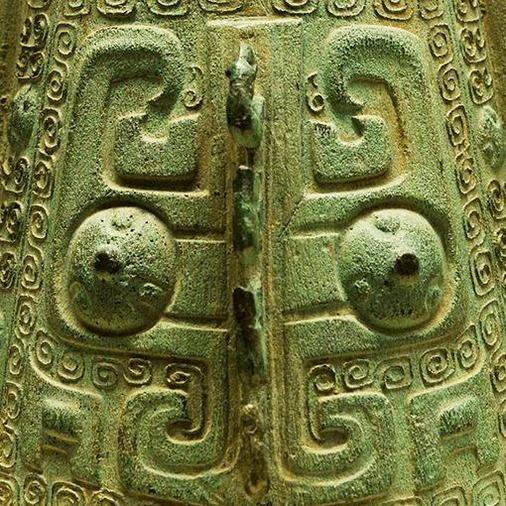 |
Year 5 - AutumnTaotie This project teaches children about the significance and art of the taotie motif, including ancient and contemporary casting methods. |
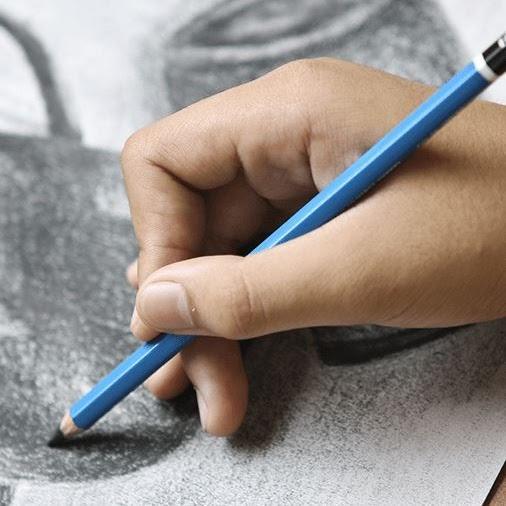 |
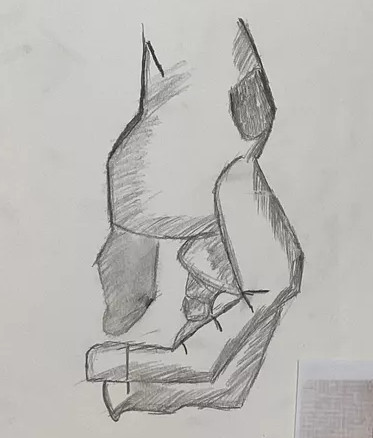
Year 5 - SpringLine, Light & Shadows This project teaches children about the visual qualities of line, light and shadow. They explore the work of Pablo Picasso and Rembrandt and are introduced to a range of shading techniques. They take black and white photographs and use pencil, pen and ink wash to reimagine their photographs in a shaded drawing. |
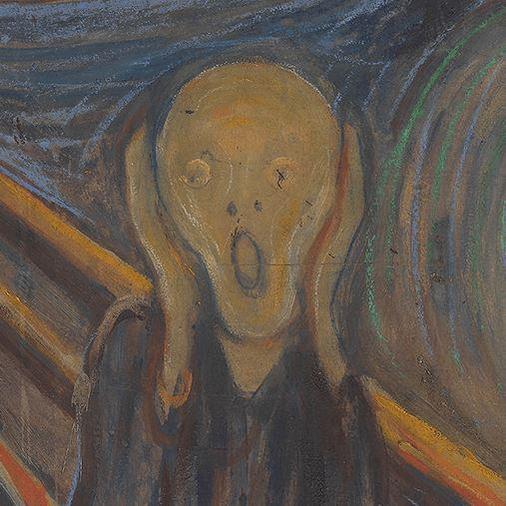 |
Year 5 - SummerExpression This project teaches children about the Expressionist art movement and the 'Father of Expressionism', Edvard Munch. They explore different ways to portray feelings and emotions in art to create an imaginative self-portrait. |
Year 6
 |
Year 6 - AutumnColour and Style This essential skills and knowledge project revisits learning about colour theory, including primary, secondary, tertiary, complementary, analogous, warm and cool colours, hues, tints, shades and tones. They learn about the use of colour in four art movements before using this knowledge to create a painting with personal meaning. |
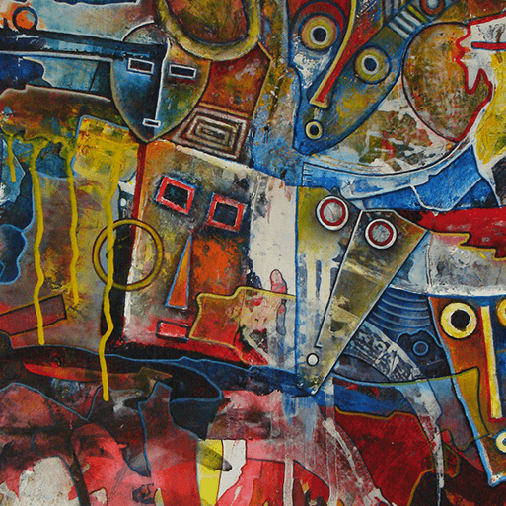 |
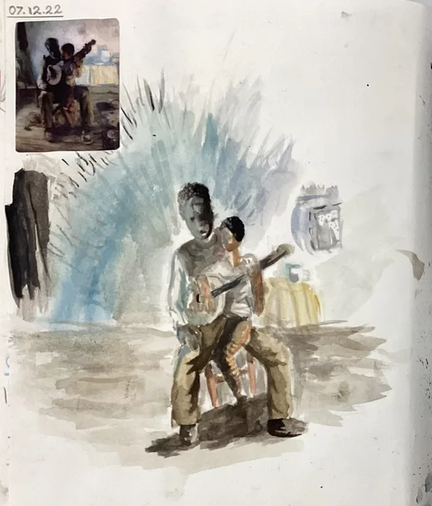
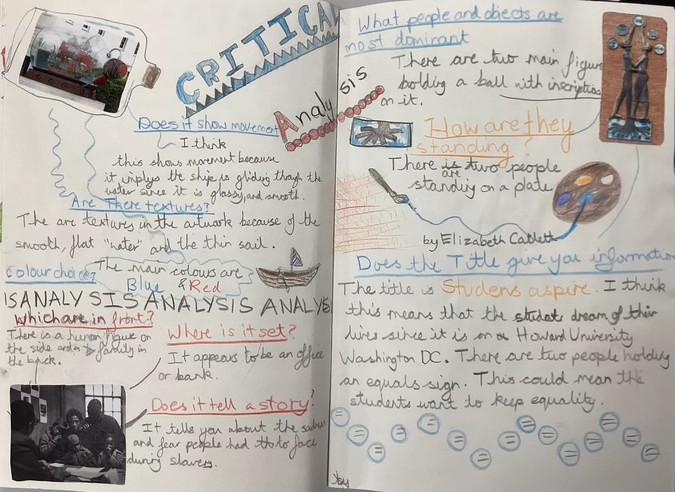
Year 6 - AutumnTrail Blazers, Barrier Breakers This project teaches children about significant black artists and their work and provides opportunities to analyse and create artwork inspired by them. |
 |
Year 6 - SpringInuit This project teaches children about the Inuit way of life, including some of their cultural and artistic traditions. |
 |
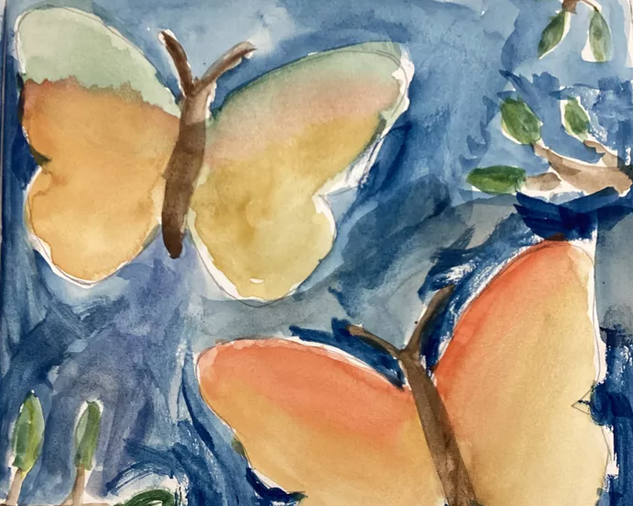
Year 6 - SummerBees, Beetles & Butterflies This project teaches children about sketchbooks, observational drawing, mixed-media collage, and Pop Art. They consolidate their learning to make a final piece of artwork inspired by bees, beetles, or butterflies. |
 We are on Instagram! Follow the QR code or search us at oakridge_fed_artanddt