Design Technology
Curriculum Leaders: Laura Oswald, Katie King and Ben Tagarsi
Mrs Oswald, Miss King and Mr Tagarsi are our design technology leaders and are responsible for this curriculum area. This means ensuring we teach an ambitious curriculum, supporting our teachers in implementing our curriculum through high-quality lessons and checking that lessons help our children know more, remember more, and do more.
Purpose of study
Design and technology is an inspiring, rigorous and practical subject. Using creativity and imagination, pupils design and make products that solve real and relevant problems within a variety of contexts, considering their own and others’ needs, wants and values. They acquire a broad range of subject knowledge and draw on disciplines such as mathematics, science, engineering, computing and art. Pupils learn how to take risks, becoming resourceful, innovative, enterprising and capable citizens. Through the evaluation of past and present design and technology, they develop a critical understanding of its impact on daily life and the wider world. High-quality design and technology education makes an essential contribution to the creativity, culture, wealth and well-being of the nation.
Aims
The national curriculum for design and technology aims to ensure that all pupils:
- develop the creative, technical and practical expertise needed to perform everyday tasks confidently and to participate successfully in an increasingly technological world
- build and apply a repertoire of knowledge, understanding and skills in order to design and make high-quality prototypes and products for a wide range of users
- critique, evaluate and test their ideas and products and the work of others
- understand and apply the principles of nutrition and learn how to cook.
Intent
We are setting out to help our pupils be ...
- Safe - Learn to use tools safely for everyday life, including computers to design products. Children learn how to be healthy.
- Creative - Children love to design and make their own creations.
- Resilient - Children are resilient and enjoy creating even when things do not go right the first time.
- Cultured - Children build a repertoire of knowledge, understanding and skills in order to design and make products for a wide range of users.
Implementation
We will do this by ensuring ...
- Children have a broad and balanced curriculum - Tool skills and nutrition are taught progressively.
- Children have a broad and balanced curriculum - The process of designing, making and evaluating is embedded in the curriculum.
- Giving children time - Children have time to explore materials and try out different ideas.
- Children have a broad and balanced curriculum - There are planned, progressive and purposeful opportunities to design and make in the curriculum.
Impact
We will have made a difference when ...
- Children apply what they know - Children can use tools practically and make informed, healthy choices in life.
- Children are inventors - Children can enjoy the process and create things successfully.
- Children can create purposefully - Children are reflective and consciously evaluate what they do to improve.
- Children can show what they know - Children can make models with success and develop them to improve.
Our children will be taught to...
Year R
- Name and explore a range of everyday products and begin to talk about how they are used.
- Follow rules and instructions to keep safe.
- Identify products that use electricity to make them work.
- Explore, build and play with a range of resources and construction kits with wheels and axles.
- Create collaboratively, share ideas and use a variety of resources to make products inspired by existing products, stories or their own ideas, interests or experiences.
- Use digital devices to take digital images or recordings of their creations to share with others.
- Construct simple structures and models using a range of materials.
- Choose and explore appropriate tools for simple practical tasks.
- Adapt and refine their work as they are constructing and making.
- Recognise that it is possible to change and alter their designs and ideas as they are making them.
- Select appropriate materials when constructing and making.
- Follow instructions, including simple recipes, that include measures and ingredients.
- Suggest healthy ingredients that can be used to make simple snacks.
- Begin to identify the origins of some foods.
Year 1
Throughout Year 1, children will develop their designing, making and evaluating skills through a range of practical projects. They will begin by exploring different types of shelters, considering their purpose and the materials used to make them before designing and constructing their own shelter prototypes and working collaboratively to build a play den. Children will then investigate wheels, axles and chassis, learning how these components work together to create movement before designing and making their own model vehicle. Later in the year, they will explore where food comes from and develop a range of food preparation skills, including peeling, tearing, slicing, chopping, mashing and grating. They will use these skills to design and make a supermarket sandwich that meets specific design criteria. Across the year, children will learn to make purposeful choices about materials and components, follow their designs and evaluate how successfully their finished products meet their intended purpose.
Year 2
Throughout Year 2, children will build on the designing, making and evaluating skills developed in Year 1, applying them to increasingly detailed practical projects. In Marvellous Mechanisms, children build on their understanding of movement from the Year 1 On the Move unit by exploring a new range of mechanisms, including sliders, levers and linkages. They make and test examples of each before designing and creating a greetings card with a moving part. In Seaside Structures, children develop the structural knowledge introduced in Year 1 Den Designers, learning how to join and strengthen materials securely and exploring how different design choices affect a structure's stability and function. Later in the year, Stitch, Sew, Create! introduces children to textiles and sewing, where they learn to follow simple patterns, use a running stitch and add embellishments before designing and making their own sewn bag tag. Across the year, children become increasingly confident in selecting appropriate materials, components and techniques, testing their ideas and evaluating how successfully their finished products meet their intended purpose.
Year 3
In the autumn term of Year 3, children continue to learn about food, understanding the concept of a balanced diet and making healthy meals in the project Cook Well, Eatwell. In the spring term project Making it Move, children extend their understanding of mechanisms by exploring cams and using joining and finishing techniques to make automaton toys. In the summer term project Greenhouse, they continue to develop their knowledge of structures, using triangles and braces for strength. They design and build a greenhouse, using their understanding of opacity and transparency and the needs of plants from science learning to inform their design.
Year 4
In the autumn term of Year 4, children continue to develop their understanding of food in the project Fresh Food, Good Food. They learn about food safety and preservation technologies before designing and making packaging for a healthy snack. During the spring term project Functional and Fancy Fabrics, children continue to explore textiles, learning about the work of William Morris before designing, embellishing and finishing a fabric sample. In the summer term project Tomb Builders, they build on their knowledge of mechanisms, learning about six simple machines and using their knowledge to create a lifting or moving device prototype. They also explore and use electrical systems and IT monitoring and control in the science project Electrical Circuits and Conductors for the first time.
Year 5
In the autumn term of Year 5, children deepen their understanding of mechanisms by studying pneumatic systems in the project Moving Mechanisms. They learn about the forces at play and create a prototype for a functional, pneumatic machine. In the spring term project Eat the Seasons, children continue to explore food and nutrition, learning about seasonal foods and the benefits of eating seasonally. In the summer term, they learn more about structures in the project Architecture, studying the history of architecture and developing new ways to create structural strength and stability. They use computer-aided design and consolidate their making skills to produce scale models. They also explore the electrical conductivity of materials before making products incorporating circuits in the science project Properties and Changes of Materials.
Year 6
In the autumn term of Year 6, children learn about processed and whole foods in the project Food for Life, creating healthy menus from unprocessed foods. In the spring term project Engineer, children consolidate their knowledge of structures, joining and strengthening techniques and electrical systems by completing a bridge-building challenge. In the summer term project Make Do and Mend, they extend their knowledge of textiles by learning new stitches to join fabrics and using pattern pieces to create a range of products.
Units of Work
Year 1
Year 1 – Autumn 1Den Designers During this project, children will learn about the purpose of shelters and the materials used to make them. They name and describe different types of shelters before designing and making their own shelter prototypes. Working as a group, children then design and build a play den and evaluate the effectiveness of their finished product. |
|
Year 1 - Spring 1On the Move During this project, children learn about wheels, axles and chassis, and how these components work together to make a vehicle move. They explore and test simple mechanisms before designing and building their own model vehicle to apply their understanding of how movement is created. |
|
Year 1 - Summer 2Chop, Peel and Grate During this project, children learn about different sources of food and are introduced to key preparatory skills, including peeling, tearing, slicing, chopping, mashing and grating. They use this knowledge and these techniques to design and make a supermarket sandwich according to specific design criteria. |
Year 2
Year 2 - Autumn 2Marvellous Mechanisms During this project, children will learn about three types of mechanisms: sliders, levers and linkages. They make models of each mechanism before designing and making a greetings card with a moving part. |
|
Year 2 - Spring 1Seaside Structures During this project, children learn to make and strengthen structures, exploring different techniques for securely joining materials. Through hands-on investigation, they learn how design choices affect stability and function. |
|
Year 2 - Summer 2Stitch, Sew, Create! During this project, children learn about fabric products in the home and are introduced to basic textile skills. They learn to read simple sewing patterns and practise key techniques, including the running stitch and adding embellishments. Children then apply these skills to design and make their own sewn bag tag. |
Year 3 - We are currently updating these units over the year 2026/27
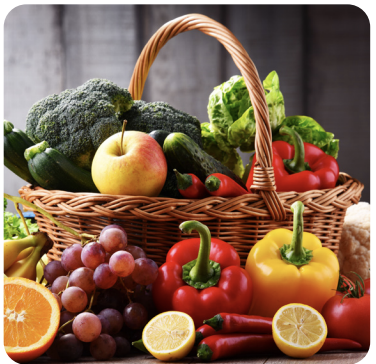 |
Year 3 - Autumn 2The Healthy Kitchen During this project, children learn about what makes a healthy, balanced diet and why this is important. They explore different ways to prepare and cook food and learn how to follow recipes accurately. Using their understanding of healthy ingredients, children design and make a nutritious taco, selecting fillings that contribute to a balanced meal, before tasting and evaluating their outcome. |
Year 3 - Spring 1Move It, Make It!
|
|
Year 3 Summer 2Build to Grow
|
Year 4 - We are currently updating these units over the year 2026/27
Year 4 - Autumn 1Preserve It! In this project, children learn how effective packaging keeps food fresh and safe. They explore healthy snacks, investigate food packaging and nets, and learn how a flat net forms a 3D package. Using this knowledge, children design, make, and evaluate packaging for a healthy snack, refining their ideas through testing and reflection. |
|
Year 4 - Spring 1Patterns and Print
|
|
Year 4 - Summer 2Mighty Machines
|
Year 5
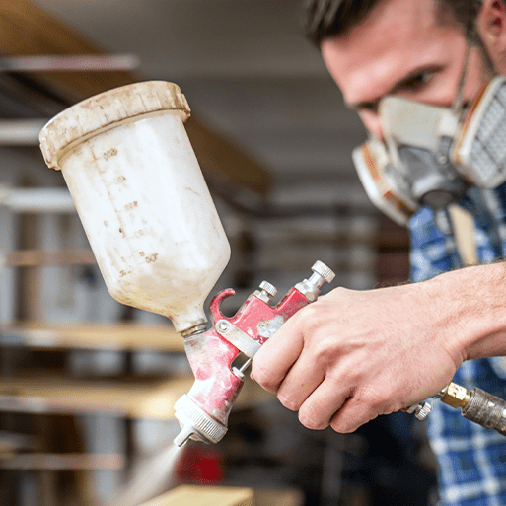 |
Year 5 AutumnMoving Mechanisms This project teaches children about pneumatic systems. They experiment with pneumatics before designing, making and evaluating a pneumatic machine that performs a useful function. |
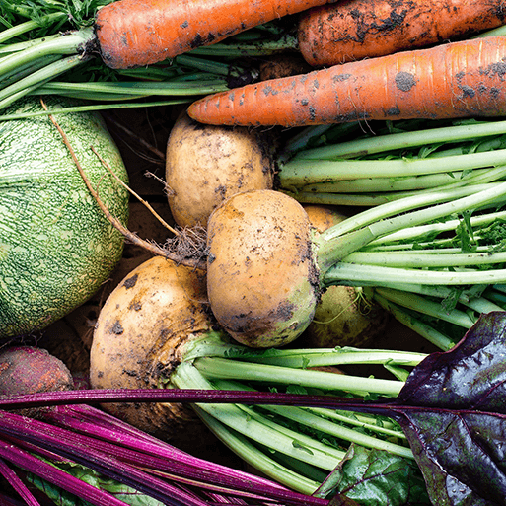 |
Year 5 SpringEat the Seasons This project teaches children about the meaning and benefits of seasonal eating, including food preparation and cooking techniques. |
 |
Year 5 SummerArchitecture This project teaches children about how architectural style and technology has developed over time and then use this knowledge to design a building with specific features. |
Year 6
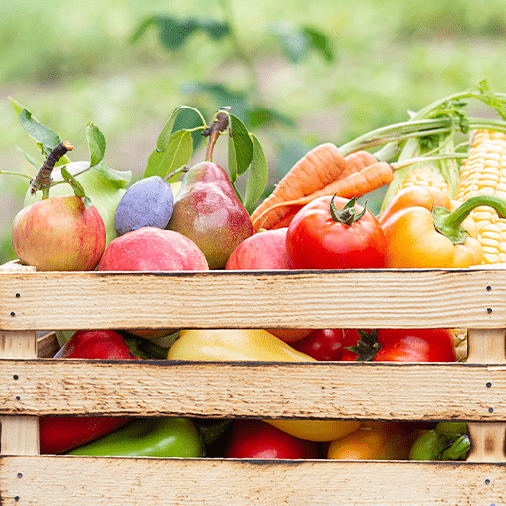 |
Year 6 AutumnFood for Life This project teaches children about processed food and healthy food choices. They make bread and pasta sauces and learn about the benefits of whole foods. They plan and make meals as part of a healthy daily menu, and evaluate their completed products. |
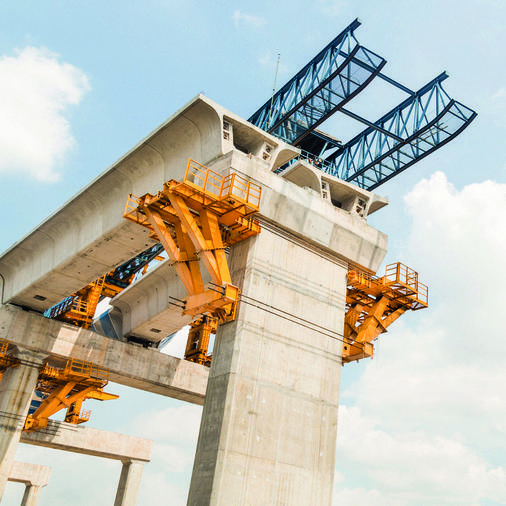 |
Year 6 SpringEngineer This project teaches children about remarkable engineers and significant bridges, learning to identify features, such as beams, arches and trusses. They complete a bridge-building engineering challenge to create a bridge prototype. |
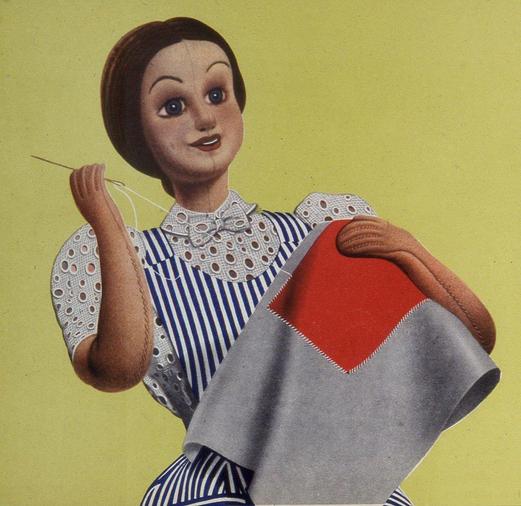 |
Year 6 SummerMake Do and Mend This project teaches children a range of simple sewing stitches, including ways of recycling and repurposing old clothes and materials. |